Private Car Sales: A Practical Guide for Buyers and Sellers
What a private car sale involves
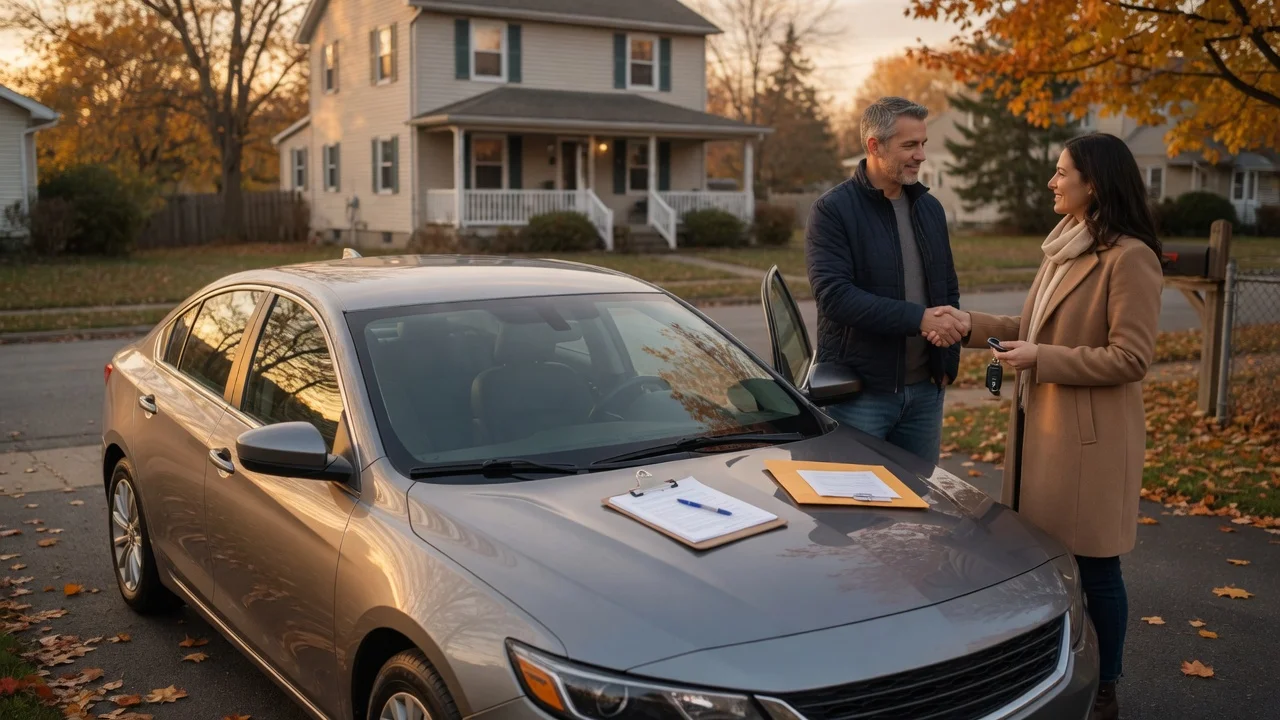
A private car sale is a transaction directly between a vehicle owner and a buyer, without a licensed dealer acting as an intermediary. The essential answer is that private sales can offer lower prices for buyers and higher net returns for sellers, but they also transfer more legal and mechanical risk to both parties. The scope includes passenger cars, light trucks, motorcycles and other titled vehicles sold by an individual rather than a business. The main qualification that changes the answer is jurisdiction: state, provincial or national rules govern title transfer, emissions testing, safety inspection, odometer disclosure, sales tax and license plates. A private sale that is valid in one market may be incomplete or unlawful in another if local steps are skipped.
Seller responsibilities and preparation
The seller should confirm the title is in their name, free of undisclosed liens, and ready to sign over. Where required, a current emissions or safety inspection should be completed before listing the vehicle. Sellers typically prepare a bill of sale that records the date, sale price, vehicle identification number, odometer reading and both parties' names. Advertising should state the model year, trim, powertrain, mileage, major options and known defects. Withholding a material mechanical fault can create legal exposure after the sale, even in private transactions.
Buyer checks before purchase
A buyer should verify that the vehicle identification number on the dashboard, door label and title match. A paid vehicle history report can reveal reported accidents, title brands, odometer inconsistencies or open recalls, but it will not show unreported damage or deferred maintenance. A pre-purchase inspection by an independent mechanic is the most useful safeguard. During a test drive, check cold starts, braking, steering, transmission shifts, warning lights, air conditioning and unusual noise. Request service records, but treat their absence as a reason for caution rather than proof of a problem.
Valuation and negotiation
Private sale prices usually sit between wholesale trade-in value and retail dealer asking price. Published valuation guides provide a starting range, but actual value depends on condition, maintenance history, local demand, season, mileage and title status. Sellers should expect negotiation below asking price; buyers should anchor offers to documented comparable sales and inspection findings rather than cosmetic condition alone. Significant deferred maintenance, such as worn tires or an overdue timing belt service, is a legitimate basis for a reduced offer.
Payment and fraud risks
Cash is common for lower-value sales, but a large cash payment is difficult to verify and carries safety concerns. A cashier's check can be forged, so buyers and sellers often complete the transaction at the buyer's or seller's bank, where funds can be confirmed and deposited immediately. Electronic transfers are safest when the transfer has cleared before the title and keys are released. Sellers should refuse overpayment scams, shipping-agent arrangements and any request to wire a refund. Buyers should be cautious with sellers who refuse an in-person inspection, demand a deposit before showing the vehicle, or cannot produce a title in their own name.
Completing the transfer
Both parties should complete every required field on the title and bill of sale without leaving blanks. The odometer disclosure, where required, must be accurate. The seller typically removes the license plates or transfers them according to local rules, cancels insurance and notifies the motor vehicle authority of the sale. The buyer purchases insurance before driving, completes title transfer and pays any sales or use tax within the required window. Until the buyer's name is recorded on the title, the seller may remain linked to the vehicle in official records, which is why prompt transfer is critical for both sides.
Known gaps and material uncertainty
This guide does not state exact transfer deadlines, tax rates or inspection requirements because they vary materially by market. A buyer or seller should confirm the specific steps with their local motor vehicle authority before listing, test driving or paying for a private-sale vehicle. No single valuation figure, history report or inspection can guarantee a successful transaction, but together they reduce the main risks unique to private sales.