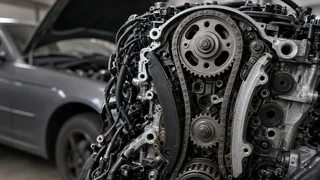
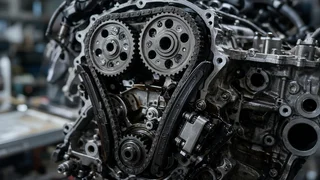
Prince engine timing chain
The Prince engine family is a modular gasoline engine series that appeared in a range of compact and midsize vehicles, often in naturally aspirated and turbocharged forms. Owners researching the timing chain are typically investigating cold-start rattle, diagnostic trouble codes, or the risk of premature wear. Because the timing chain synchronizes the crankshaft and camshafts, any stretch, guide degradation, or tensioner weakness can alter valve timing and drivability long before a hard failure occurs. The following explanation covers what the component is, why its condition matters, and how the available evidence shapes a practical diagnosis.
Essential answer
A timing chain on a Prince engine is the internal link between the crankshaft and the camshafts, keeping intake and exhaust valve events aligned with piston movement. In this engine configuration, the chain is lubricated by engine oil and kept under control by guides and a tensioner. When the system works correctly, it is durable and quiet. The common concern is that wear or hydraulic tensioner weakness may allow slack to develop, producing a brief metallic rattle and potentially shifting cam timing enough to affect idle quality, fuel trim, or emissions.
Any diagnosis should separate the timing chain itself from related parts such as the tensioner, guide rails, sprockets, and variable valve timing actuators. A stored diagnostic code is only evidence that a correlation or performance threshold was crossed; it does not prove which component wore first. Service history and inspection matter because oil-change intervals, oil pressure, and operating conditions influence chain and guide life. Manufacturer specifications and vehicle-specific confirmation are needed before replacing parts, since calibration and hardware can differ across Prince engine variants used by different brands.