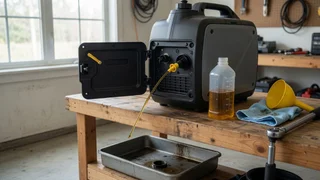
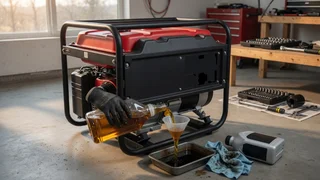
Predator 2000 inverter generator oil type
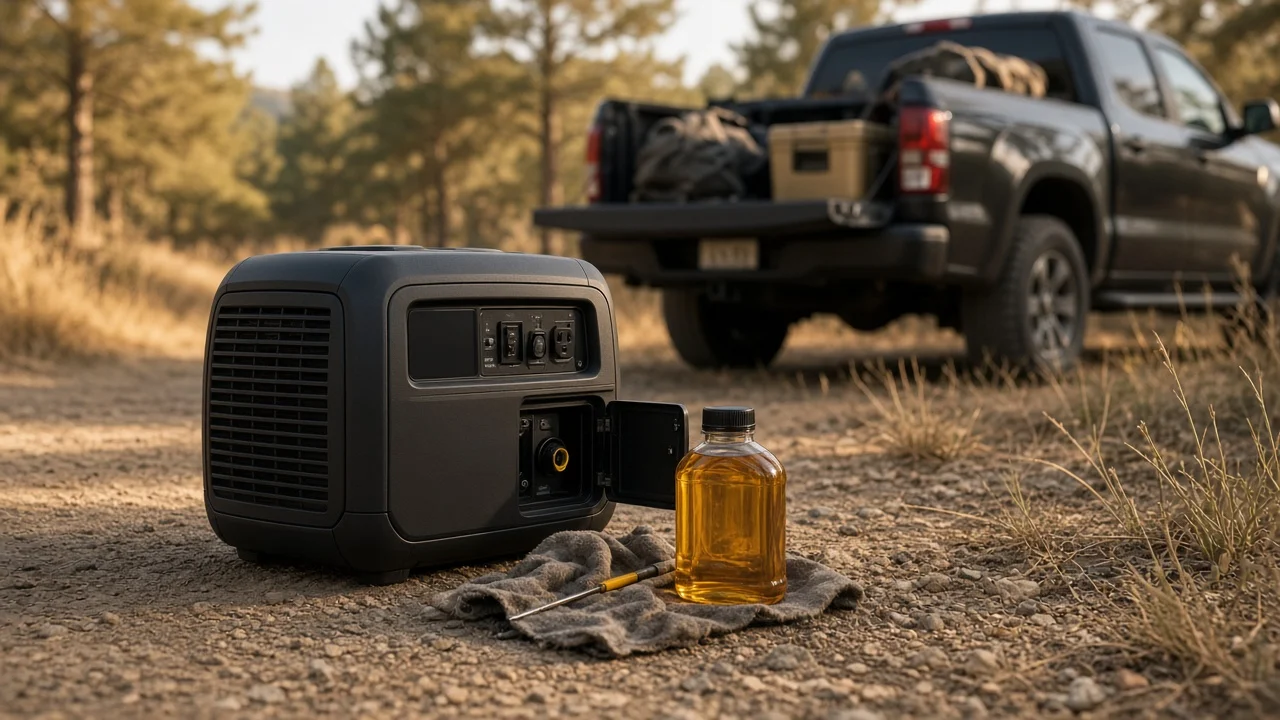
Choosing the right lubricant for a Predator 2000 inverter generator directly affects startup quality, voltage stability, and long-term wear. Because this compact power unit operates at varying loads and often runs in tight storage spaces, the oil specification must match small air-cooled engine requirements. The query “predator 2000 inverter generator oil type” points to a practical service decision: which viscosity and formulation keep the generator dependable without creating hard starting or excessive consumption. Understanding the approved lubricant specification, correct fill quantity, and level check method helps prevent the low-oil shutdown and internal scoring that shorten engine life.
Essential answer
A Predator 2000 inverter generator typically calls for a high-quality detergent oil blended for air-cooled four-stroke gasoline engines. For most ambient temperatures, a multi-viscosity lubricant such as 10W-30 provides stable cold cranking and adequate hot-running film strength. In consistently warm weather, SAE 30 may also be acceptable where the manufacturer lists it. The equipment identification label and owner documentation remain the best confirmation, because small engines can carry different approvals even within one product family. Using an oil without the required performance rating can promote ring sticking and deposits in the cylinder head, so the exact lubricant specification deserves attention before the first fill.
The fill quantity for this class of inverter generator is usually modest, often around one-third to one-half quart, though the engine must be checked with the dipstick rather than filled blindly. Overfilling raises crankcase pressure and can push oil into the breather or combustion chamber, producing smoke, fouling, and surging under inverter load. Underfilling risks oil starvation when the unit operates at a slight angle or during hot shutdown. The level check should be performed on a flat surface with the generator off and the dipstick wiped before reading. A proper service interval based on operating hours helps keep the lubricant clean enough to protect bearings, cam surfaces, and cylinder walls.