Plate Renewal in Wisconsin: What It Means and How to Approach It
The short answer
In Wisconsin, "plate renewal" almost always means renewing your vehicle registration, not replacing the physical license plates. The plates generally stay on the vehicle. What expires and must be renewed is the registration attached to them, and renewal is handled through the Wisconsin Department of Motor Vehicles (DMV), part of the state's Department of Transportation.
For most owners the practical task is the same: confirm the registration is due, make sure nothing is blocking renewal, pay the applicable fee through an accepted channel, and keep proof of current registration with the vehicle.
Registration renewal versus new plates
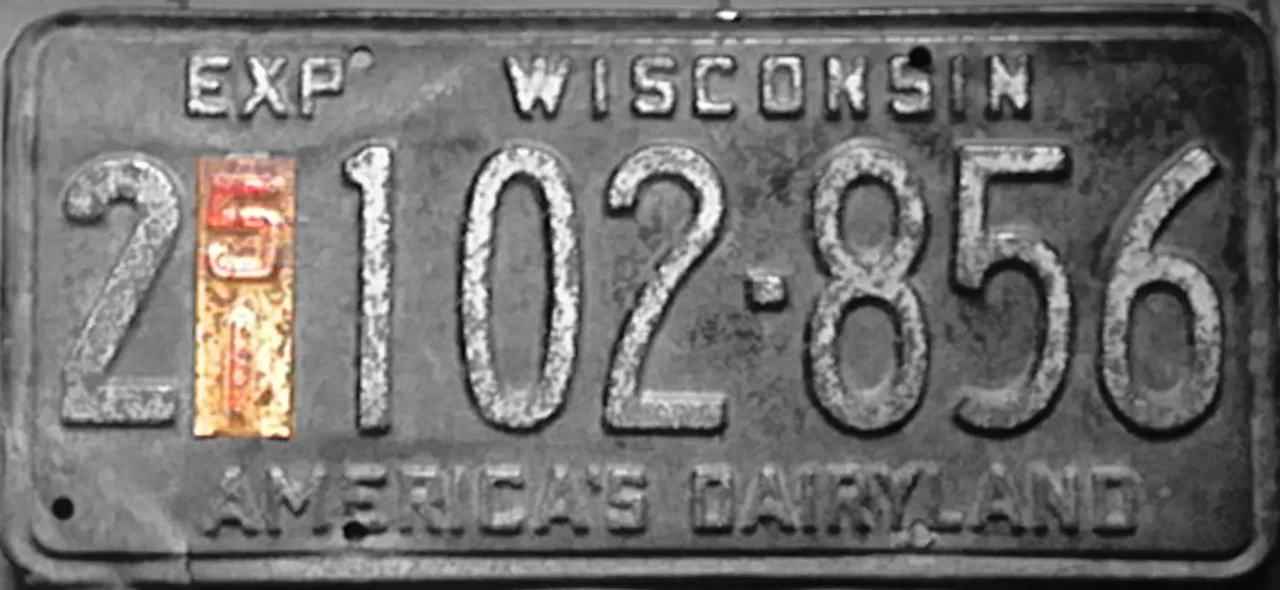
Renewing a registration and getting new plates are separate transactions. Renewal keeps an existing registration current. New or replacement plates are usually involved only when plates are lost, stolen, damaged or illegible, when a different plate type is chosen, such as a specialty or personalized plate, or when a vehicle is registered for the first time. If your plates are in good condition and you only received a renewal reminder, you are most likely dealing with a standard registration renewal.
Common ways to renew
The Wisconsin DMV generally offers more than one way to complete a renewal. Availability can depend on the vehicle type and on whether anything on the record needs attention, so treat the list below as typical options rather than a guarantee for every vehicle.
Online through the official Wisconsin DMV website, usually the quickest route for a straightforward renewal; By mail, using the renewal notice sent by the DMV; In person at a DMV service center or an authorized third-party agent, where offered
When renewing online, use the state's official DMV site rather than a search result that merely looks official. Some private services charge extra to submit the same renewal on your behalf.
Qualifications that can change the answer
A few situations can make renewal more involved than a simple payment:
Emissions testing: vehicles registered in certain Wisconsin counties may need to pass an emissions test before registration can be renewed. Whether this applies depends on the county and on the vehicle's model year, fuel type and weight class. Holds or unresolved issues: unpaid obligations or other flags on a vehicle record can prevent renewal until they are cleared. Vehicle type: cars and light trucks follow the most common process. Motorcycles, trailers, heavier trucks and commercial vehicles may have different terms or requirements. Specialty or personalized plates: these can involve extra fees or different renewal handling. Changed details: a recent move or change of ownership should be reflected in DMV records before or during renewal so the notice and documents reach the right place.
After renewing
After a successful renewal, the DMV issues updated registration documentation and, where the state requires one, a sticker showing the new expiration. Keep the registration document in the vehicle and apply any sticker as instructed. If renewal was completed online, keep the confirmation until the physical items arrive.
What this overview cannot confirm
No verified figures were available for this article. It therefore does not state registration fees, renewal periods, late penalties, exact processing times, the list of counties covered by emissions testing, or contact details. These vary by vehicle type and can change, so confirm them with the Wisconsin DMV, either on its official website or with your renewal notice, before acting.
Bottom line
Wisconsin plate renewal is, in practice, registration renewal through the state DMV, and the plates themselves usually stay on the vehicle. For a typical passenger vehicle with no emissions requirement or record issues, renewing online or by mail is usually straightforward. If your vehicle may be subject to emissions testing, has an unresolved hold, or uses a nonstandard plate, check those points first, since they are the most likely reasons a renewal is delayed.