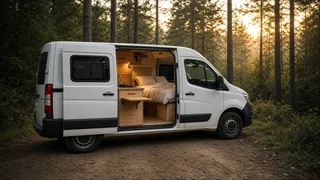
Peugeot camper van conversion
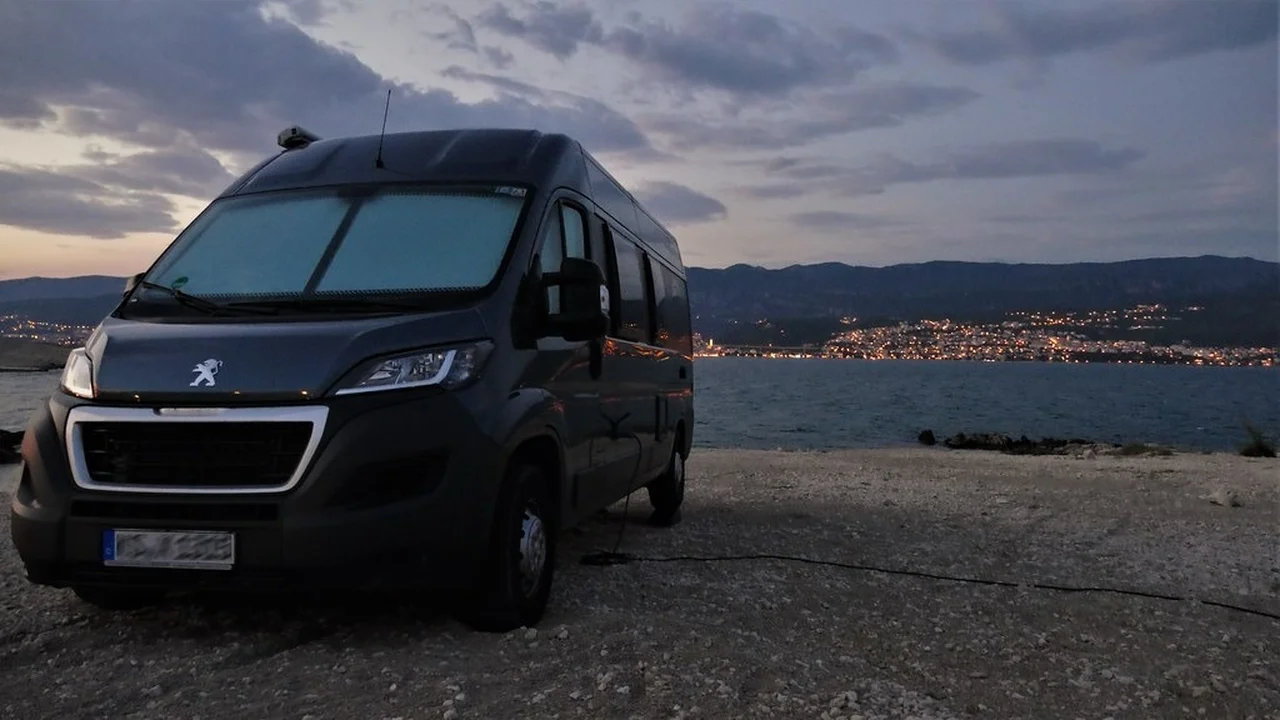
A Peugeot camper van conversion turns a standard cargo or passenger van from the French brand into a self-contained travel vehicle. The approach appeals to readers seeking an alternative to large RVs, using a smaller footprint for daily driving and weekend camping. Because Peugeot offers several body styles, model generations, and powertrain configurations, no single conversion recipe applies. The right project depends on the base van’s size, trim level, and market specification. Understanding those differences helps an owner choose real-world camping features, not an impossible layout.
Essential answer
A Peugeot camper van conversion is a practical way to create a compact motorhome from a van platform, pairing the base vehicle’s driving behavior with a simple living area. The essential answer is that the conversion is not a specific factory model but an aftermarket or builder-led process. The result depends heavily on the starting body style and model generation, because wheelbase length, roof height, and available cargo volume shape what can be installed. Owners often value the project for stealthier overnight parking, easier maneuverability, and better fuel efficiency than a larger coachbuilt RV.
Model year, trim level, and powertrain configuration also influence how the fitted camping equipment behaves. For example, a diesel or electric drivetrain changes auxiliary power planning, while a higher roof supports standing room and upper cabinets. Market specification matters too, since glass area, sliding-door orientation, and seat mounting points vary. A thoughtful Peugeot camper van conversion therefore starts with the base vehicle’s dimensions and electrical architecture, then builds outward toward sleeping, cooking, and storage. This scoping step prevents expensive changes after insulation and wall panels are already in place.