Peugeot 307/407 Steering Angle Sensor
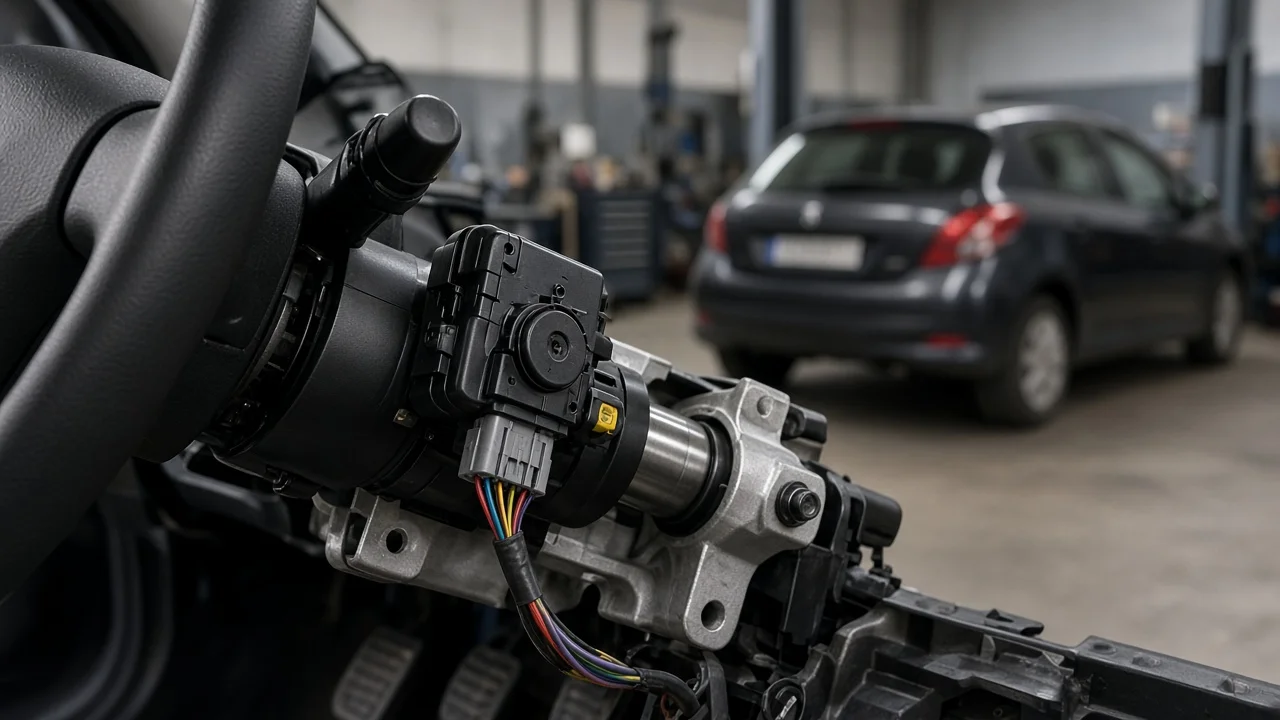
A steering angle sensor issue on a Peugeot 307 or 407 usually appears first as a warning light, a heavier steering effort, or stability-control messages that seem unrelated to the road surface. The sensor reports steering-wheel position and rotational speed to several onboard systems. When that signal becomes intermittent or missing, the vehicle may disable assistance functions or record a fault. Understanding where the sensor sits in the system, how it interacts with the column and control modules, and which symptoms are consistent with a signal problem helps narrow the diagnosis before parts are replaced. Both models share a similar electronic architecture, but mounting details can differ by year and equipment.
Essential answer
The essential answer is that the Peugeot 307 steering angle sensor and the Peugeot 407 steering angle sensor are not simply interchangeable service items, even though their function is identical. Each sensor measures steering-wheel position and rate of turn, then sends that data to modules such as the electric power steering, electronic stability program, or adaptive headlight controller. The component may be integrated into the steering column, a clock spring assembly, or a dedicated sensor housing depending on the model year and steering configuration. A direct replacement must match the mounting, connector, and calibration approach used in the specific vehicle.
The scope changes when a fault is found, because a stored steering angle sensor code is evidence of a signal problem, not proof that the sensor element has failed. Wiring, connector fit, clock spring condition, column alignment, and low or unstable voltage can all produce a missing or implausible angle value. Before condemning the sensor, the practical next step is to compare live steering data with wheel position while checking for related suspension clues such as joint play, altered ride height, or recent wheel alignment work that could make a valid sensor reading disagree with the vehicle's expected path.