Performance Tool Tire Pressure Gauge
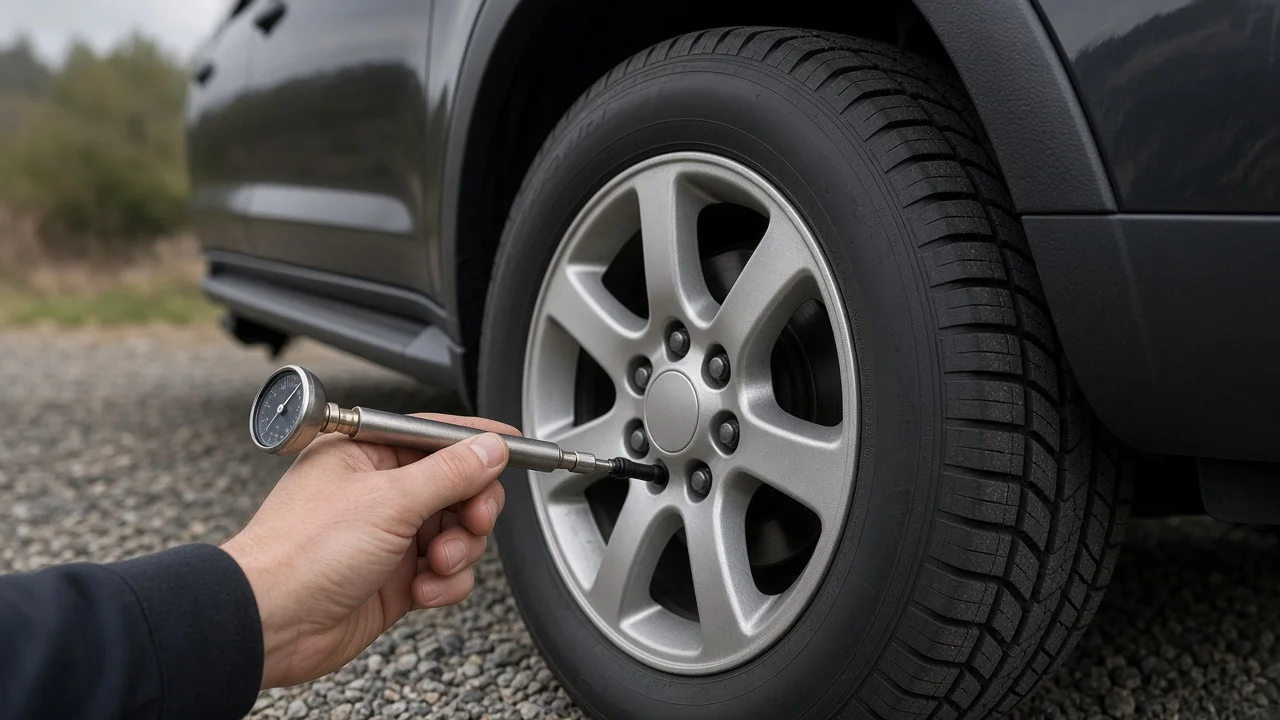
A Performance Tool tire pressure gauge turns a vague tire concern into a repeatable number you can compare with the vehicle specification. Whether you are tracking a slow leak, adjusting pressures before towing, or checking a dash warning, the right gauge matters because measurement range, accuracy, and connection repeatability affect the reading. This guide focuses on what the tool should do in everyday use and what conditions change the result.
The direct answer
The immediate step is to select a gauge that reads the expected cold inflation pressures for your vehicle with enough resolution and a comfortable scale. The device should seal cleanly on the valve stem and hold the reading long enough to interpret it without losing air. If the tool is only used occasionally, a compact mechanical or digital unit may be adequate, while frequent checks in changing temperatures can reward a gauge with better repeatability and a clearer readout.
Accuracy is the central consideration. A gauge may be precise but poorly calibrated, or it may read consistently yet drift after hard use. Try comparing repeated measurements on the same tire under stable conditions; a wide spread suggests connection or internal mechanism problems rather than a tire issue. The reading is not a verdict by itself. It becomes useful when treated as evidence to confirm against the placard pressure, then checked again after the tire has cooled.