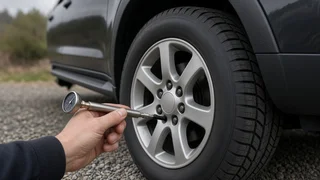
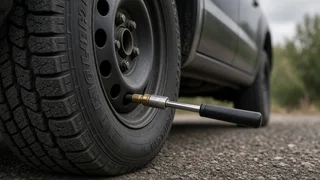
Park Tool Tire Pressure Gauge
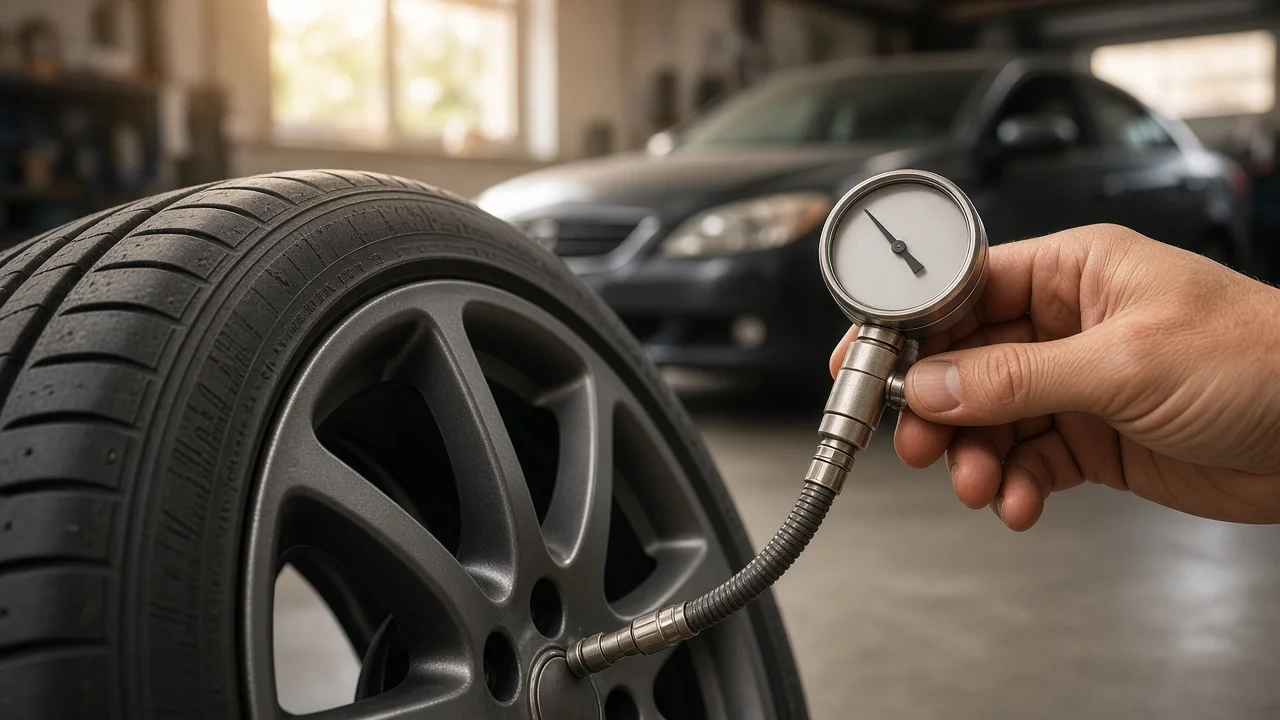
Finding a dependable way to check inflation before a ride can prevent poor handling, premature tread wear, and pinch flats. A Park Tool tire pressure gauge is often considered because the brand is familiar to cyclists and home mechanics who already trust its shop-style tools. Choosing the right gauge means looking beyond the name at measurement range, accuracy, calibration, connection type, and the units shown. The goal is a tool that repeats readings consistently and matches the vehicle specification for the tires you service, whether that is a road bike, mountain bike, or another pneumatic setup.
The direct answer
The immediate decision is whether the gauge suits the pressure range you actually use. Most automotive and bicycle tires require different spans, and a gauge intended for high-volume bicycle tires may not be ideal for a car or light truck. Check the stated measurement range against your vehicle specification and compare the displayed units, typically psi, bar, or kPa. A gauge that reads near the middle of its range is generally more usable than one working at its extreme limit.
Accuracy and repeatability matter more than a single perfect number. A quality gauge should return nearly the same value when checked twice on the same valve, and the connection at the chuck should seal without excessive effort or leakage. Calibration can shift over time, especially if the gauge is dropped or stored with moisture inside. Before buying, look for clear markings, a readable face, and a head angle that lets you reach the valve without straining the hose or stem.