Performance in-tank fuel pumps
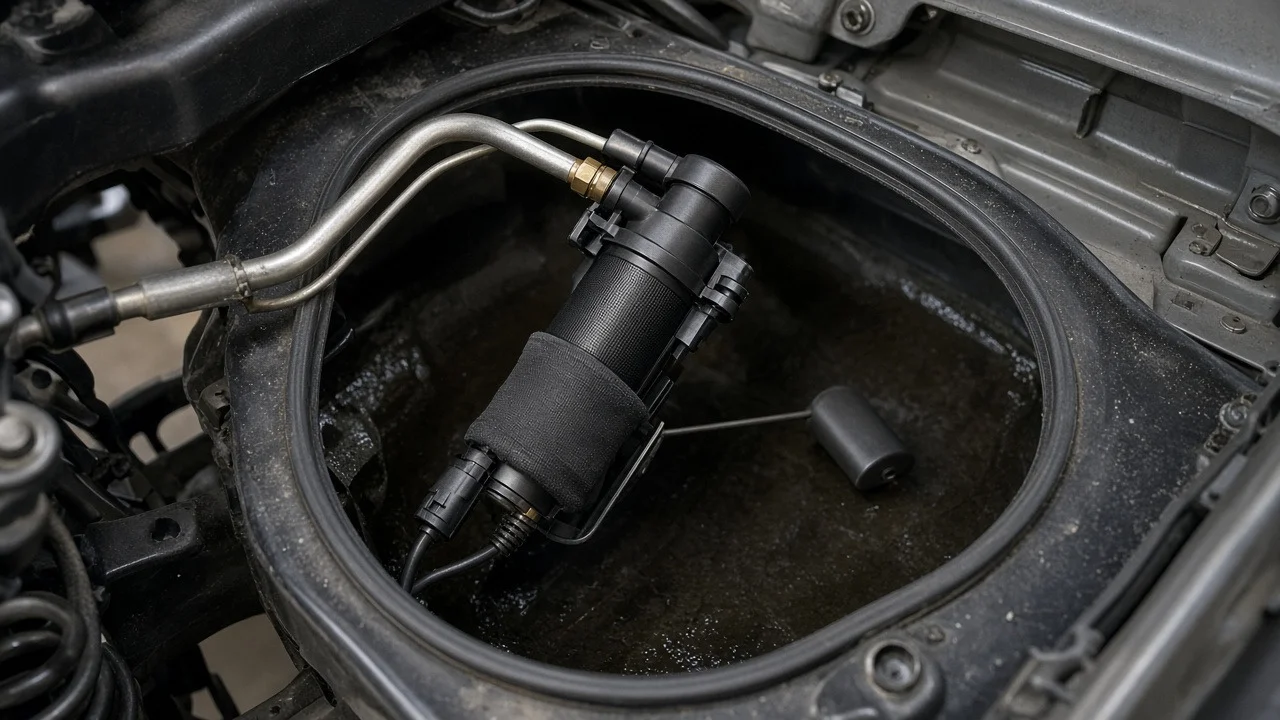
Choosing a performance in-tank fuel pump means matching flow delivery to the engine’s demand rather than simply installing the largest pump available. A pump that cannot maintain fuel pressure under load will force the injectors to run lean, while an oversized pump can generate excess heat and overtax the return system. For a modified or high-demand engine, the right in-tank module should support stable pressure at wide-open throttle, fit the existing tank and hanger, and remain serviceable with the vehicle’s current fuel filter and wiring. This article explains the central sizing and compatibility considerations before you spend money.
The direct answer
A performance in-tank fuel pump is worth buying when the current pump can no longer hold target fuel pressure as engine load increases, or when planned modifications will raise fuel demand beyond the stock module’s capacity. The immediate answer is to select a pump whose flow rating comfortably covers peak engine demand at the operating voltage and base pressure used by the vehicle, then confirm it fits the factory hanger and electrical circuit. The choice is conditional: a mild tune or stock engine rarely needs a high-flow pump, while forced induction or larger injectors often does.
Think of the pump as the start of the fuel system, not an isolated upgrade. It must deliver enough volume so the fuel pressure regulator can maintain a stable differential across the injector, especially during acceleration when engine vacuum changes. If a pump is marginal, fuel pressure can taper at high rpm and the fuel trim will climb as the ECU tries to compensate. For street use, moderate extra headroom is useful because it keeps the pump away from its maximum output, but so much headroom that fuel constantly recirculates can warm the tank and shorten component life.