High-Performance In-Tank Fuel Pump
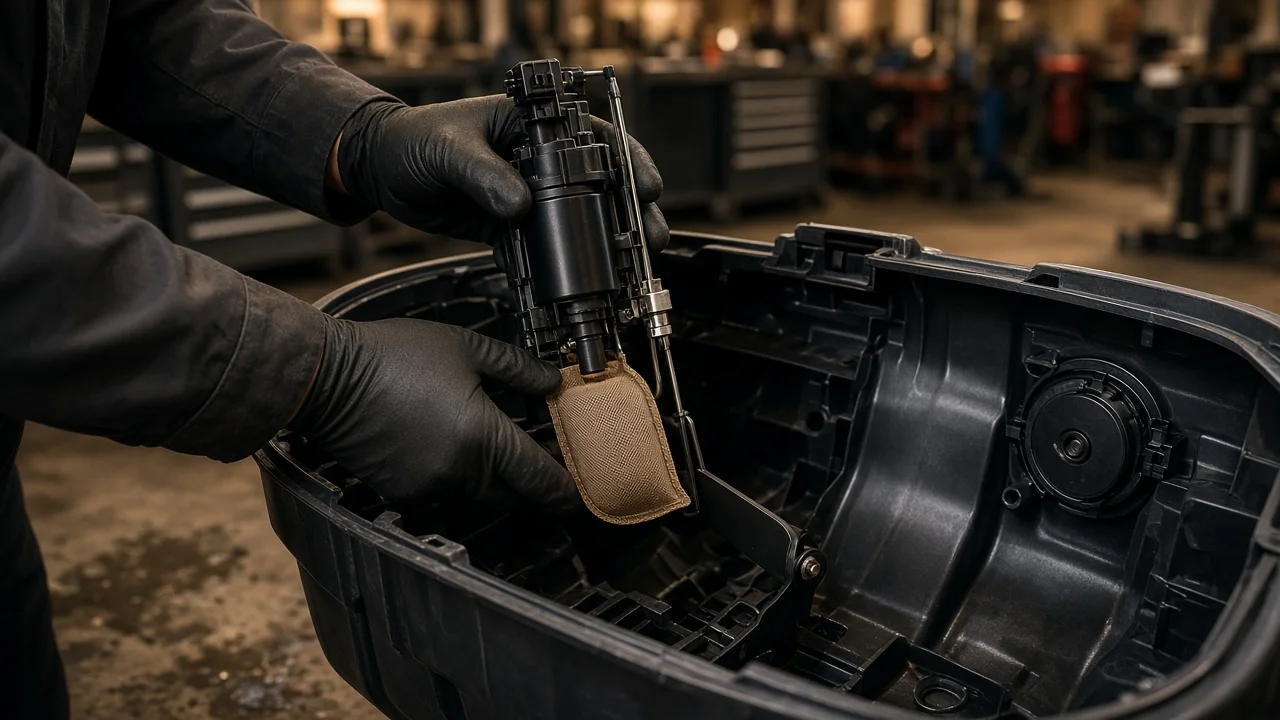
Choosing a high-performance in-tank fuel pump means matching flow and pressure behavior to the engine’s actual demand, not simply buying the largest pump available. A pump that moves plenty of fuel at idle can fall behind under boost, at high rpm, or when fuel temperature rises. The right upgrade supports stable delivery to the injectors while preserving the factory tank mounting, electrical circuit, and return-style or returnless fuel system. When shopping, focus on how the pump performs in the vehicle’s operating range and whether the complete support system can keep it supplied with clean, cool fuel during sustained load.
The direct answer
A high-performance in-tank fuel pump is appropriate when the existing pump cannot maintain adequate fuel pressure at the volume the engine needs. For modified engines with forced induction, larger injectors, or ethanol blends, delivery demand rises faster than many stock pump curves can follow. In those conditions, an upgraded turbine or gerotor pump installed in the original tank location can restore stable pressure and prevent lean fuel trim corrections that limit power and increase heat load on the injectors. The direct answer is to select an in-tank pump rated for the expected flow at the system’s target pressure, while confirming the pump hanger, wiring, and fuel filter can support that output without excessive voltage drop or restriction.
For a mostly stock daily driver, a high-flow pump may add unnecessary electrical load and heat to the fuel, especially in a returnless system that varies pump speed by demand. In that case, a mildly upgraded pump compatible with the factory fuel pump module and control strategy is often the better choice. The key condition is whether measured pressure falls under load or after heat soak. If the fuel pump can hold commanded pressure and the fuel filter is clean, the engine’s hesitation or misfire is unlikely to be solved by a larger pump. Confirm the vehicle-specific fueling strategy and the pump’s flow-versus-pressure curve before committing to an upgrade.