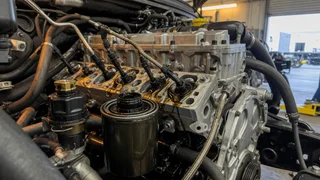
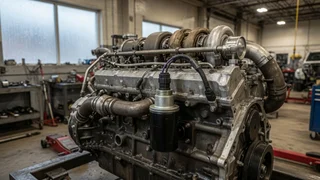
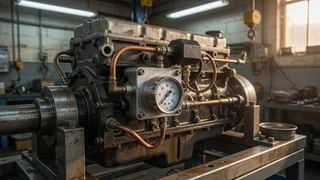
PACCAR MX engine oil pressure
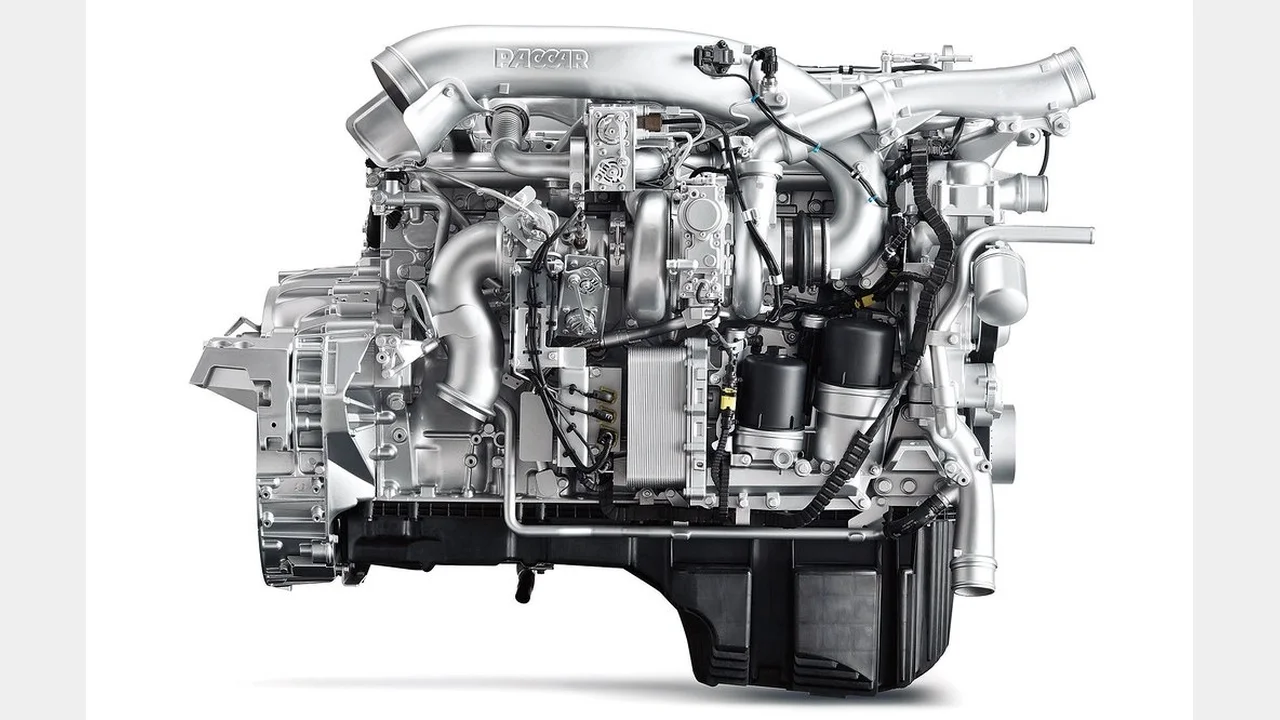
PACCAR MX engine oil pressure is a core health signal for the diesel powerplant, reflecting how well lubricant reaches bearings, piston cooling jets, the turbocharger, and valve train. When drivers research PACCAR engine oil pressure or PACCAR MX engine oil pressure, they are usually interpreting a dash gauge, an electronic fault event, or a service reading after an oil change. The key is separating normal warm-up and load-driven variation from a trend that points to viscosity loss, oil level trouble, or a worn pump and bearing clearances.
Essential answer
The essential answer is that oil pressure on the PACCAR MX is not one fixed value; it changes with engine speed, oil temperature, lubricant specification, and mechanical condition. A reading that looks low at hot idle can be normal if it rises promptly with rpm and remains stable under load. The gauge or electronic monitor is showing resistance to oil flow through galleries and clearances, so a lower number does not automatically mean the pump is weak or the engine is damaged. It must be read as part of a pattern rather than as a single alarm point.
A useful diagnostic rule is to compare pressure during a steady hot cruise with the behavior at cold start and after the oil reaches operating temperature. If pressure climbs quickly with rpm and holds a consistent range during highway operation, the lubrication circuit is generally doing its job. If the hot pressure falls noticeably over several trips, or if the gauge fluctuates while rpm is constant, the cause is more likely related to level, aeration, viscosity, dilution, or an oil pressure sensor signal than to sudden bearing failure. Manufacturer-dependent fault codes require vehicle-specific confirmation before replacing any component.