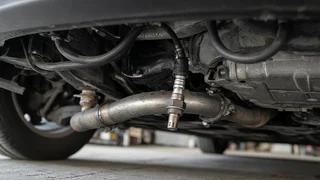
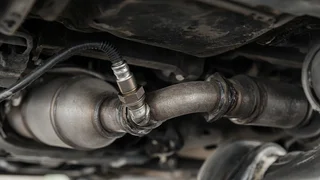
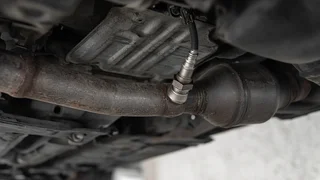
Oxygen sensor removal tool and socket
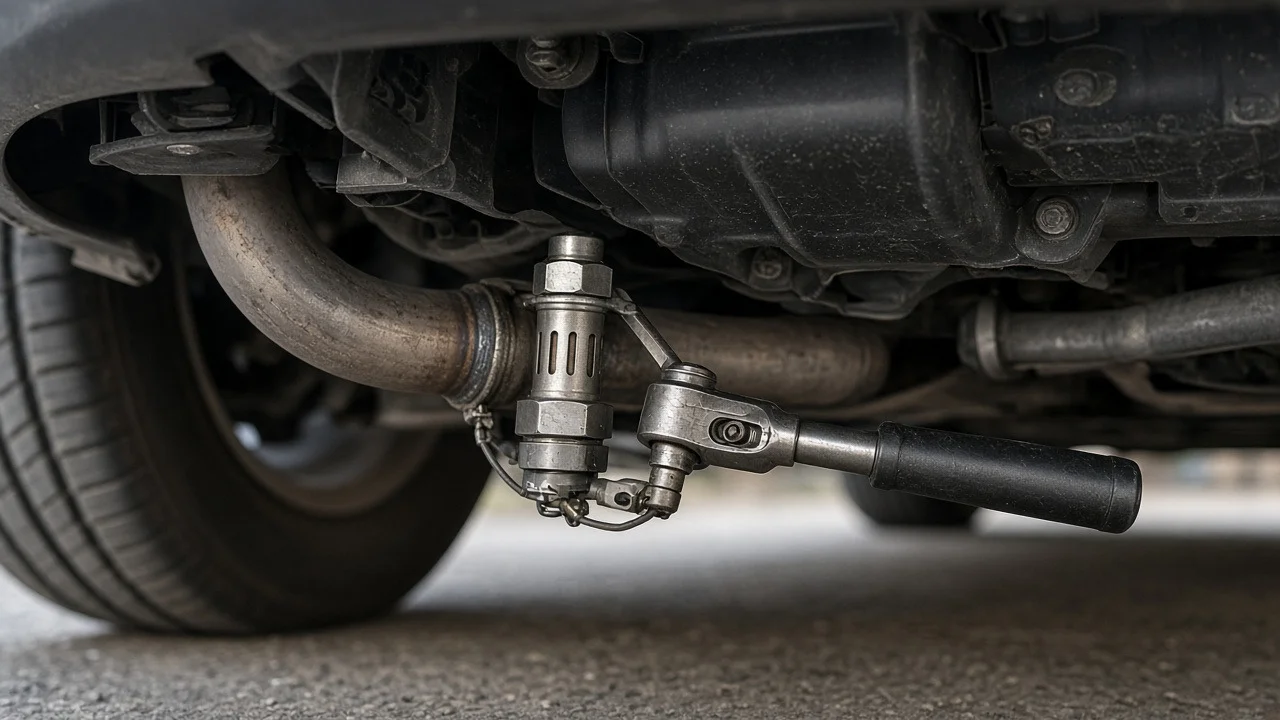
Removing an oxygen sensor often turns a straightforward diagnosis into a fight with rust, heat-expanded metal, and tight exhaust routing. A dedicated car oxygen sensor removal tool and socket changes that by fitting the sensor body and leaving a clear path for a ratchet or breaker bar. These special sockets include a side slot for the wiring harness, and they can be paired with penetrating fluid and controlled heat to break the thread bond without immediately harming nearby exhaust hardware. Understanding how the tool engages the mounting and why thread condition matters helps you decide whether a specialty socket is enough for the job.
Essential answer
A car oxygen sensor removal tool is typically a deep, slotted socket that slides over the sensor while the pigtail and connector pass through the slot. It provides six-point contact on the sensor’s hex so torque is spread evenly rather than concentrated on soft or corroded flats. The deep body clears the sensor tip and protects the wire from sharp bends, while the cutout lets you work on sensors that are still threaded into the exhaust without cutting the harness. This is the core answer: it restores a normal socket drive to a component that has an attached cable.
Specialty variants include low-profile sockets for confined upstream positions, offset or hinged designs, and split ring tools or claw-style sockets for rounded hexes. A car oxygen sensor socket may have a single side window or a full-length slot, but the function remains the same: engage the hex squarely and transfer force to the thread axis. The right choice depends on access, sensor orientation, and how much material remains on the hex, but the essential purpose is not to apply massive heat or force alone; it is to preserve the sensor body while allowing controlled, even torque against a heat-cycled joint.