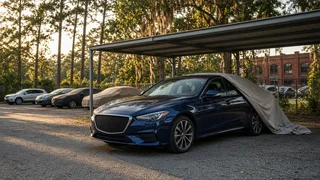
Outdoor car storage bags
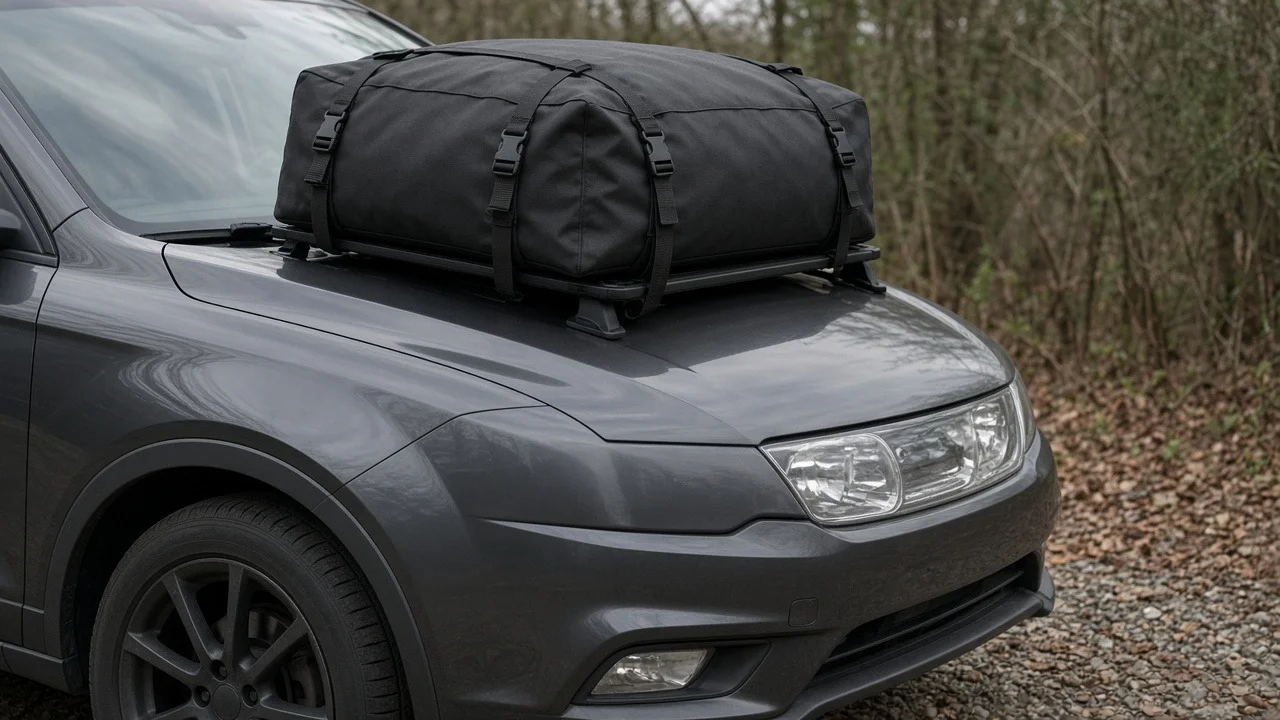
Choosing an outdoor car storage bag means controlling moisture, sun damage, and abrasion instead of leaving a vehicle exposed to weather. The right enclosure works as a protective cover with ventilation, but fit and site preparation determine whether it helps or traps condensation. Buyers comparing car bags for outdoor storage should evaluate material layering, closure design, and access before purchase. A car storage bag outdoor purchase is more than a large sack; it is a storage condition decision that affects paint, interior materials, tires, and battery maintenance during weeks or months of non-use.
The direct answer
For most vehicles, an outdoor car bag storage solution is a practical short-term alternative when a garage is unavailable, provided the bag is breathable, properly sized, and installed over a clean, dry surface. The enclosed design blocks precipitation and ultraviolet exposure while a vented panel or moisture-barrier floor helps limit humidity buildup. The main condition that changes this answer is climate: in consistently damp or freeze-thaw regions, a sealed bag can trap condensation unless it includes active or passive ventilation and is checked periodically.
A car storage bag outdoor cover works by isolating the body from rain, snow, tree sap, and direct sunlight, but it does not eliminate preparation. Inflate tires to the recommended pressure, disconnect or maintain the battery, and make sure the vehicle is dry before zipping the enclosure. Because the fabric rests near paint, choosing a soft inner layer and secure tie-downs reduces wind-driven rub marks. An outdoor winter car storage bag can protect a stored vehicle, yet its benefit depends on surface cleanliness and consistent closure tension.