Outdoor car storage in Denver

Choosing outdoor car storage in Denver means preparing for high-altitude sun, sudden snow, hail, and wide temperature swings. A parked vehicle sitting outside faces more than dust; weather exposure, dry air, and drainage matter as much as lot security. The right storage conditions slow paint fading, interior heat damage, tire aging, and battery drain. Think of a storage space as a low-use parking environment, not simply a spare spot. Evaluating surface, access, shade, and facility rules helps match a storage option to how long the vehicle will sit and how often it must be reached.
The direct answer
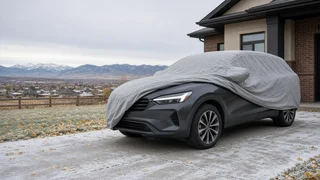
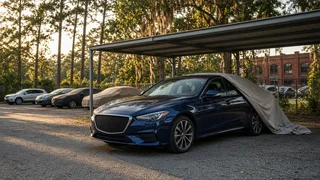
For most owners, outdoor car storage in Denver should prioritize a level, well-drained surface with reasonable access and clear security expectations. A hard-surface lot is generally preferable to bare dirt because it reduces moisture rising under the vehicle after snowmelt or heavy rain. Since Denver sun is intense, a spot with afternoon shade or permission for a reflective protective cover can reduce heat-related interior and tire stress. The immediate answer is not that one lot fits every vehicle, but that surface quality, drainage, and sun exposure should be confirmed before committing to a space.
When the vehicle will sit for more than a few weeks, storage conditions inside the threshold matter. A vehicle kept outdoors still benefits from mild ventilation to avoid trapped moisture, but a tight-fitting cover on a dirty or wet body can rub paint and hold condensation. Check whether the facility allows occasional movement or trickle charging, because outdoor storage rarely offers power at every space. If long-term parking is the goal, tire pressure and battery maintenance become part of the buying decision, not afterthoughts.