Opel Frontera 2.3 turbo intercooler
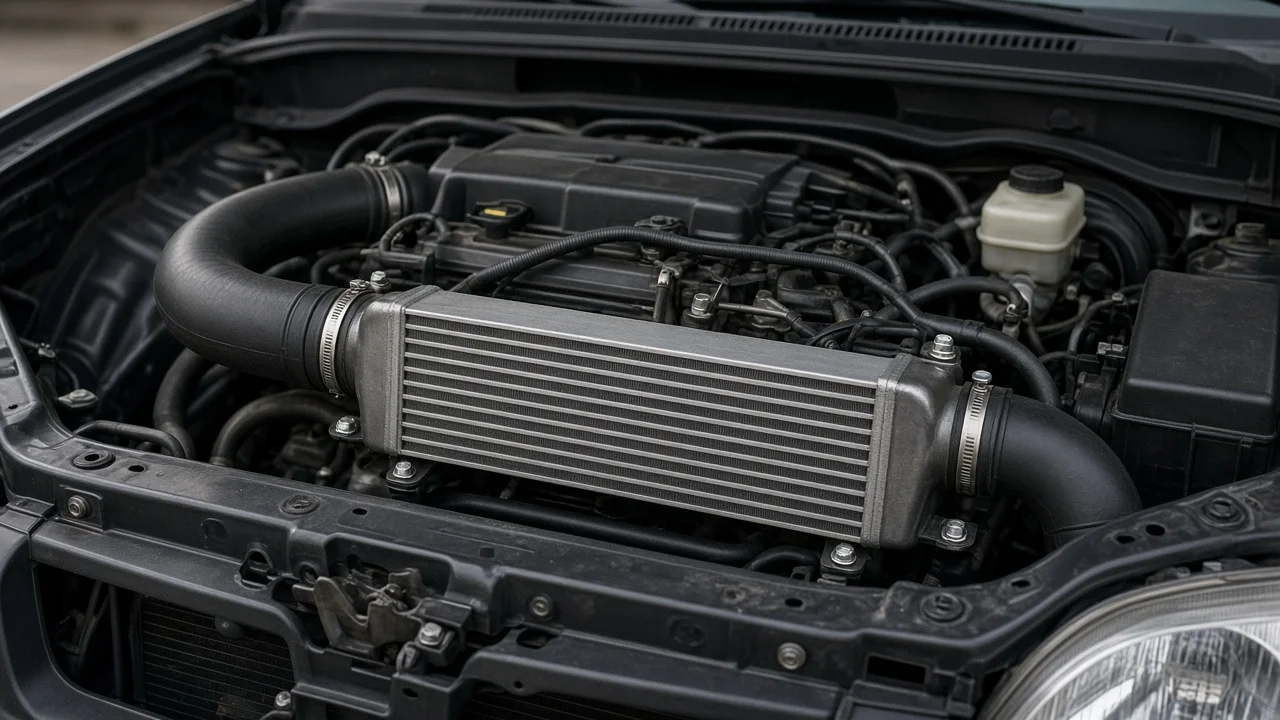
When an Opel Frontera equipped with the 2.3-liter turbo diesel shows signs of weak boost, high intake temperatures, or reduced fuel economy, the intercooler is often the component owners investigate first. This heat exchanger sits between the turbocharger and the intake manifold, cooling the compressed air before it reaches the cylinders. A properly functioning unit keeps intake air dense and cool, which supports consistent power and protects the engine from excessive thermal stress. Understanding its role, location, and failure patterns helps you interpret symptoms and plan a sensible inspection or replacement path.
Essential answer
The Opel Frontera 2300 turbo intercooler is the charge-air cooler used on the 2.3-liter turbo diesel variant of this compact SUV. Its job is to remove heat created when the turbocharger compresses intake air. Compressing air raises its temperature, which reduces its density and raises the risk of harmful combustion temperatures. By routing the pressurized air through a matrix of fins and tubes exposed to ambient airflow, the intercooler restores much of that lost density before the air enters the intake manifold.
The component’s scope depends on the model generation and market specification, since some 2.3-liter Frontera configurations use a top-mounted intercooler fed by a hood scoop, while others use a front-mounted design behind the grille. Both perform the same thermodynamic task, but their service access and failure patterns differ. Top-mounted units can suffer from heat soak when the vehicle is stationary, while front-mounted units are more exposed to stone damage, road debris, and bent fins from minor impacts or off-road use.