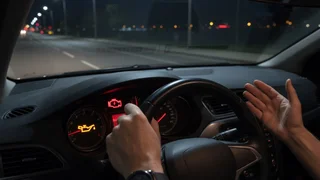
Oil light flickers when the engine is hot
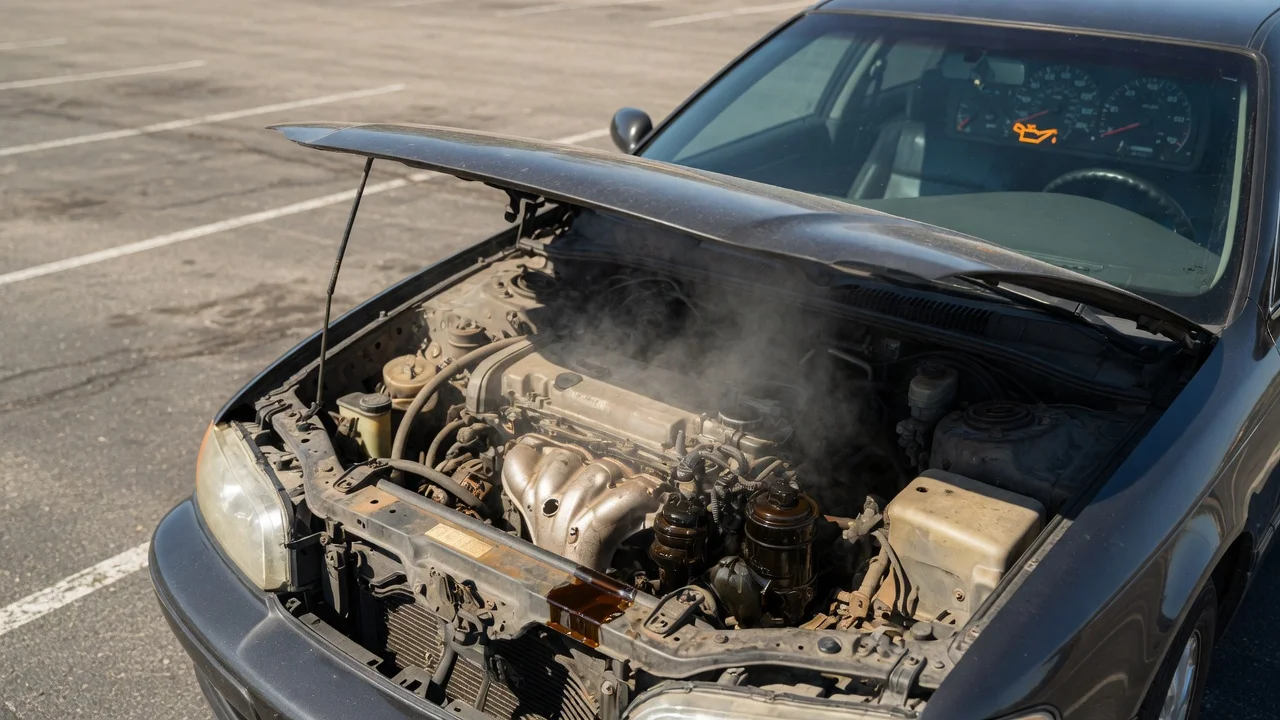
What a flickering hot oil light usually means
A flickering oil light after the engine warms up usually means oil pressure is dropping close to the warning-switch threshold at hot idle. Oil thins as it heats, and pump speed is lowest at idle, so pressure is at its weakest in that condition. The light may stay off at higher rpm or when the engine is cold, then pulse or glow once the oil is fully hot.
The essential answer is this: treat a hot flicker as a low-pressure warning until a gauge or scan-tool reading proves otherwise. On many vehicles the dash lamp is driven by a simple pressure switch, not a full gauge, so the lamp can flicker when pressure hovers around the switch point. Thresholds, idle speed, oil-pump design and whether the car uses a switch, a sender, or both vary by model year, engine and market, so a reading on the affected vehicle is the only way to confirm the cause.
Why heat brings the light on
Engine oil viscosity falls as temperature rises. Hot, thin oil leaks more readily through bearing clearances and the pump has to work harder to hold pressure. At idle the pump turns slowly, so any combination of thin oil, low level, a tired pump, a clogged pickup, or worn bearings can drop pressure into the warning range. Cold oil is thicker, which is why the same engine can look normal on a short, cool drive and then flicker after a highway run or in stop-and-go heat.
Common causes, from most urgent to less so
Low oil level, a leak, or oil that has been over-diluted by fuel so the pump cannot keep pressure at hot idle. Wrong viscosity for the climate or engine specification, or oil that is badly oxidized and no longer holding film strength when hot. A failing oil-pressure switch or sender, damaged wiring, or a poor earth that makes the lamp flicker even when pressure is adequate. A weak oil pump, a clogged pickup screen or filter, or a stuck pressure-relief valve. Worn main or rod bearings that increase internal leakage once the oil is thin. This is a mechanical fault, not a dash-lamp issue, and it can destroy the engine if you keep driving.
Some cars also have a separate oil-level lamp. A level warning is about quantity in the sump; the pressure warning is about whether the pump is actually feeding the bearings. Confirm which symbol is lighting before you assume the problem is only a sensor.
How serious it is
If the lamp is reporting real low pressure, continued running can wipe bearings, score the crankshaft and seize the engine, often with little further warning. A faulty switch is far less expensive, but you cannot tell the two apart from the dash light alone. Knock, a sudden drop in idle quality, metallic noise, or a light that stays on at higher rpm all raise the chance that pressure, not the sender, is the problem.
What to do next
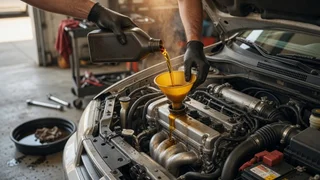
Stop as soon as it is safe if the light stays on, the engine is noisy, or pressure is unknown. Idling in a car park is still running the engine with potentially inadequate oil film. Check the dipstick on level ground after the engine has been off long enough for oil to drain back. Top up only with the viscosity the manufacturer specifies for that engine and climate. Do not overfill. Look for leaks, a wet filter or drain plug, and oil in the coolant or a fuel smell in the oil, which can thin the sump charge. Have oil pressure measured with a mechanical gauge at hot idle and at a specified higher rpm, using the ports and limits in the workshop data for that engine. Compare the reading with the switch or sender, rather than trusting the warning lamp. Replace a switch or sender only after pressure is known to be in spec, or if the gauge proves the lamp is lying. If pressure is low, inspect the pickup, pump, relief valve and bearing clearances instead of chasing the dash bulb.
Exact pressure specifications, switch trip points and whether a scan tool can display a live sender value are model-specific. Published figures were not supplied for a particular vehicle here, so use the service data for the engine you have. Until that reading exists, a hot-idle flicker is a reason to investigate, not a reason to keep driving and hope it is only the sensor.