Oil in the intake manifold
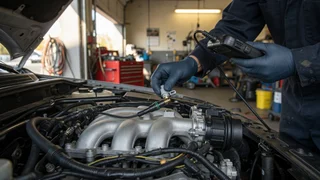
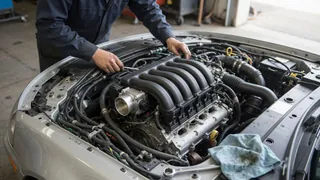
Oil collecting inside an intake manifold is a sign that the crankcase ventilation path is carrying more liquid oil than the intake side can quietly consume. The intake manifold has oil in it when blow-by vapors condense, when a turbocharger seal weeps, or when drainback is restricted. This is not automatically a failed engine, but it does invite carbon deposits, fouled sensors, reduced octane tolerance, and oily film inside the intercooler or throttle area. The useful next step is to separate normal mist residue from an active liquid accumulation and identify whether the source is crankcase pressure, lubrication-related wear, or a restricted air-oil separator.
Essential answer
The essential answer is that oil in the intake manifold usually comes from the positive crankcase ventilation system, not from the intake manifold itself. Combustion pressure that slips past the piston rings creates blow-by vapor containing oil mist. The PCV system routes that vapor into the intake so it can be burned, but hot vapor condenses when it meets cooler manifold walls. This produces a thin oil film in normal operation. A noticeable pool or wet coating suggests excessive blow-by, an overfilled crankcase, a failed or incorrect PCV valve, a restricted oil drain, or a turbocharger compressor-side seal that is passing oil into the boost stream.
A second practical qualification is that residue location changes the diagnosis. Oil near the throttle body often arrives through the PCV inlet hose or a turbo inlet pipe, while oil spread across the runners typically follows the shared airflow path after the throttle. An oil-soaked intercooler or charge pipe points toward the pressure side of the crankcase vent or a turbo oil seal. Manufacturer-specific PCV calibration and oil fill quantity matter because an oil level near the top of the acceptable range can increase vapor carryover on some engines. Checking the level and confirming the correct PCV component for that equipment identification is a reasonable first step before assuming internal wear.