No Sound From Car Subwoofer: Troubleshooting
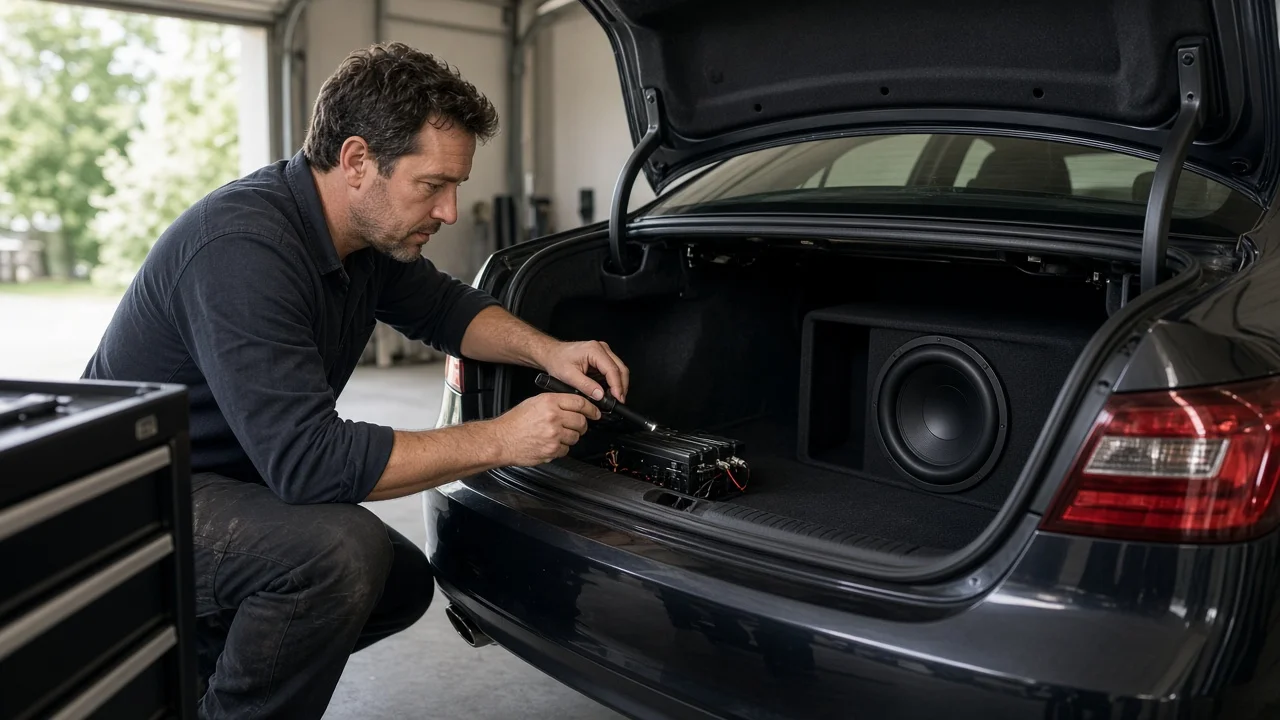
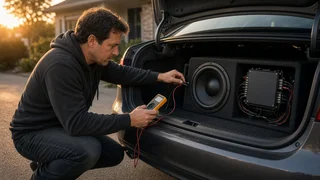
A silent subwoofer removes the physical weight and low-frequency foundation from music, leaving a system that sounds thin even when the main speakers work. When a car subwoofer produces no sound, the fault can sit anywhere in the audio chain—the head unit settings, signal path, amplifier state, speaker wiring, or the driver itself. Troubleshooting works best when you separate signal problems from power problems and then isolate the woofer electrically. The goal is to find the first point where the intended signal disappears instead of guessing at parts.
Direct answer
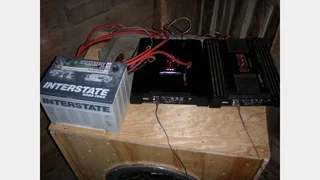
When a car subwoofer makes no sound, begin by confirming that the source is actually sending a low-frequency signal and that the amplifier is receiving that signal. A head unit with the subwoofer output turned off, a faded or crossed-over setting that removes bass, or a paused audio source will mimic a dead speaker. After verifying the audio source settings, check whether the amplifier shows a normal power or protection state. A powered but silent amplifier usually points toward an interrupted input signal, a gain set too low, or a disconnected voice coil lead inside the enclosure.
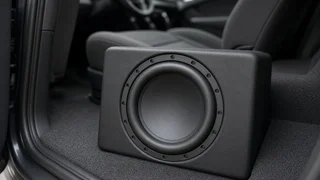
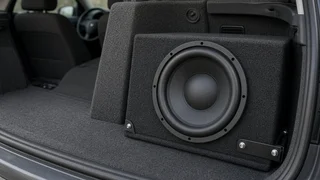
The next practical step is to separate the driver from the rest of the chain. A woofer can be silent because the flexible tinsel leads between the terminal cup and cone have broken, because the voice coil has failed open, or because the enclosure wiring has pulled loose during driving. If the amplifier is healthy and another speaker can be connected temporarily at low volume, that test helps identify whether the fault sits in the amplifier output, the cable run, or the subwoofer itself. Vehicle integration details such as factory bass roll-off or aftermarket line-output converters can complicate the diagnosis, so each link should be checked in order before replacing hardware.