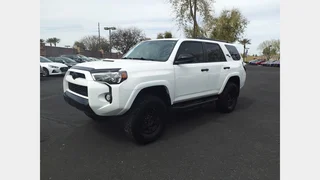
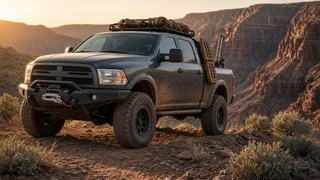
New Toyota off-road car

Choosing a new Toyota off-road car means matching the vehicle’s hardware to the terrain you actually drive. The strongest Toyota off-road models pair four-wheel drive or a full-time all-wheel-drive system with thoughtful chassis geometry, traction controls, and durable construction. Shoppers should compare drive configuration, ground clearance, tire specification, and recovery points before focusing on trim appearance or infotainment. These mechanical factors determine how confidently a vehicle handles loose rock, mud, sand, steep grades, and rutted trails. Understanding them helps turn a broad search into a clear purchase decision without relying on unverified claims about a specific build or package.
The direct answer
A new Toyota off-road car should be evaluated first by its drive configuration and traction hardware. Part-time four-wheel drive offers a direct mechanical connection for low-speed trail work, while full-time systems distribute power continuously and may suit mixed highway and dirt use. Look for a low-range transfer case, locking or limited-slip differentials, and terrain-oriented electronic controls. These features help the vehicle continue moving when individual wheels lose grip on uneven or loose surfaces.
Ground clearance and tire specification are equally important because they define the physical limits of the vehicle before any traction system engages. Taller suspension and appropriate approach, breakover, and departure angles reduce the chance of dragging the underbody over obstacles. All-terrain or mud-terrain tires supply the biting edges and flexible tread blocks needed on rock, gravel, and wet soil. Recovery points also matter because even a capable vehicle can become stuck, and a strong front or rear attachment allows safe extraction.