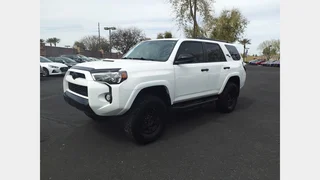
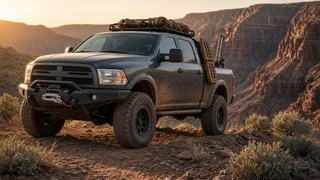
Best off-road Toyota
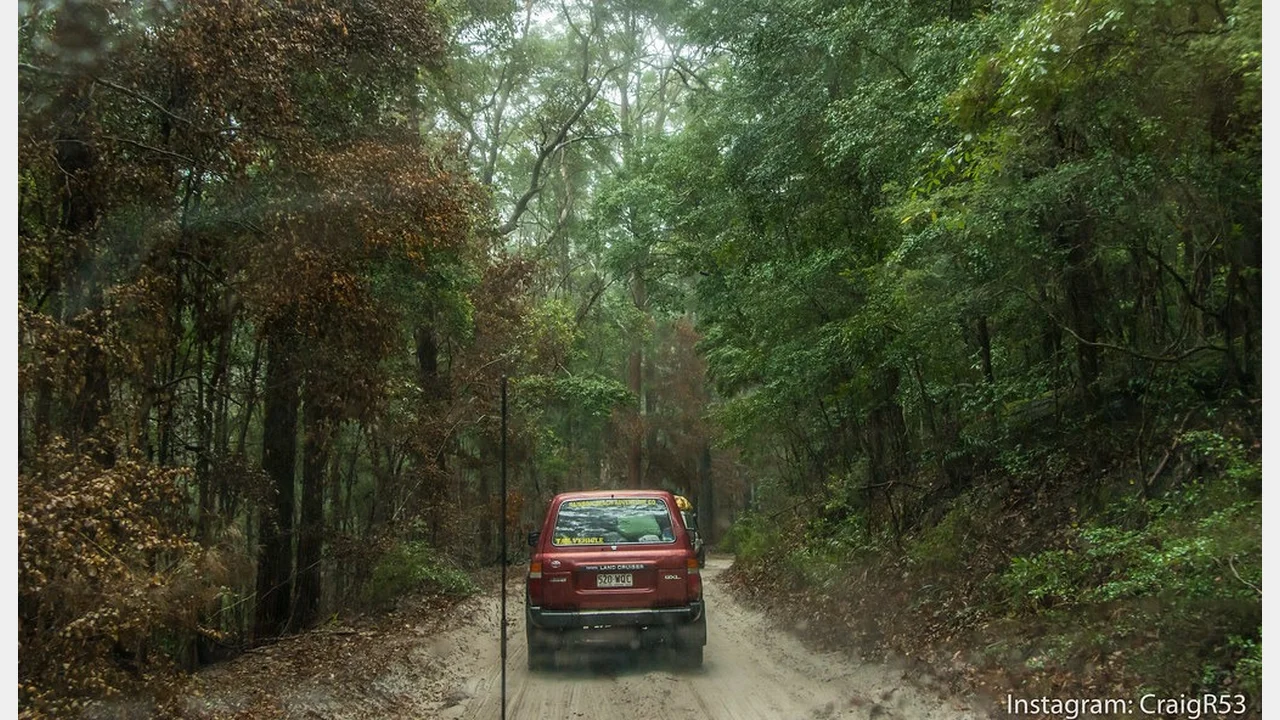
Choosing the best off-road car from Toyota means reading more than a badge or a familiar nameplate. The right choice depends on how drive configuration manages loose surfaces, how traction behaves when one wheel unloads, and whether ground clearance and tire specification match the terrain ahead. A vehicle that feels confident on pavement can struggle on rock, sand, or rutted clay. This guide explains the practical traits that make a Toyota useful away from improved roads and how to weigh those traits against the conditions you actually expect to encounter.
Relevant entries
Any serious off-road Toyota conversation tends to center on models designed around four-wheel drive rather than occasional all-wheel drive. The distinction matters because a part-time system with selectable low range gives the driver a mechanical advantage for crawling over obstacles where steady throttle control and reduced wheel speed are more useful than momentum alone. A locking or limited-slip rear differential also helps when one rear tire loses bite, because it can redirect torque instead of allowing the unloaded wheel to spin freely.
Ground clearance and tire specification influence capability before any electronic aid is engaged. More clearance reduces the chance of dragging a differential, fuel tank, or suspension mount over a rock ledge, while a taller sidewall and an all-terrain tread improve traction on gravel, mud, and uneven rock. Factory recovery points are another practical consideration; a strong attachment location matters when a vehicle needs to be pulled out of deep sand or a washed-out section of trail. A Toyota with these features becomes a more coherent off-road tool than one chosen for appearance alone.