Choosing a Turbo Blanket for a Mk7 GTI
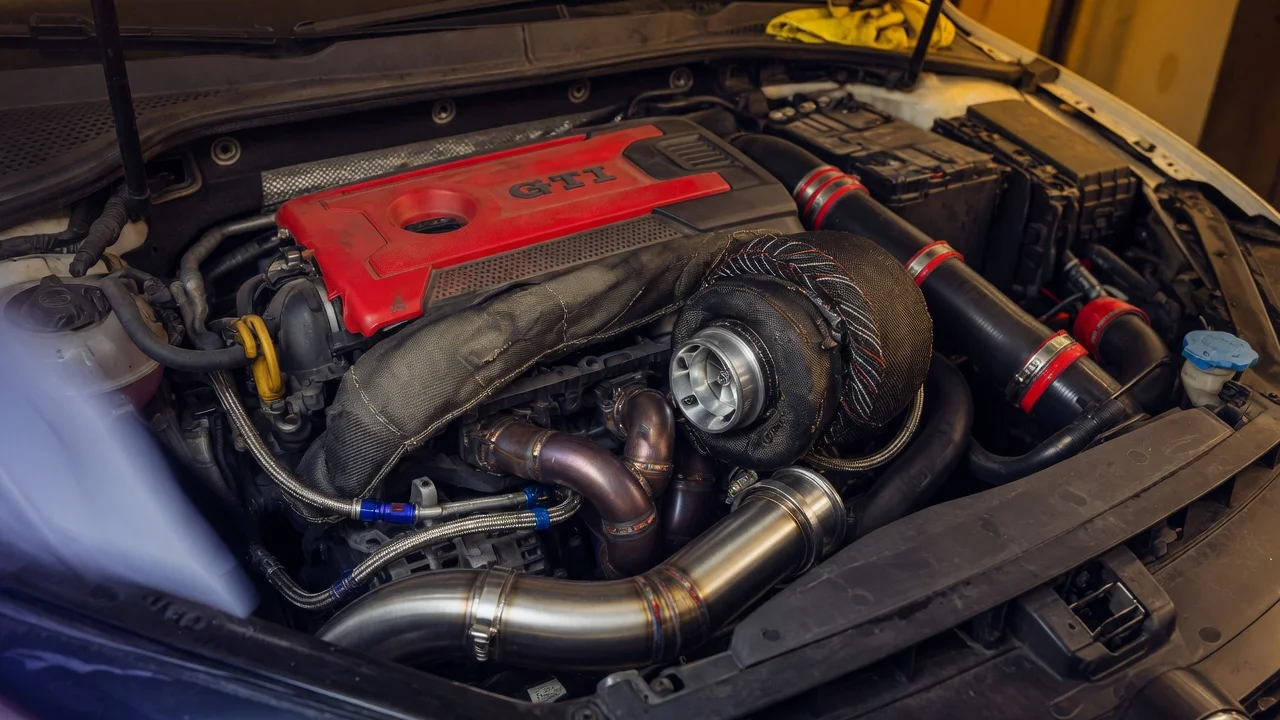
A turbo blanket is a simple part on paper: an insulated cover that wraps the turbine housing and keeps more heat in the exhaust side. On a Mk7 GTI, though, the compact engine bay, the turbo's mounting arrangement and the wide range of aftermarket setups make the choice less obvious than a product listing suggests. This guide covers what a blanket can realistically do, how to confirm it fits your car, and where it adds cost or risk.
Define the job the product must do
Start with the problem you want solved. Most owners shopping for a Mk7 turbo blanket want one of three things: lower under-hood temperatures around the intake, airbox and nearby wiring; less radiant heat reaching plastic covers and hoses; or a hoped-for change in spool and throttle response. The first two are what a blanket is designed for. The third is mostly a marketing claim, and any effect on a street car is small and hard to separate from normal variation in weather, fuel and logging conditions.
Be honest about the symptom conditions behind the purchase. Complaints such as power feeling softer after sitting in traffic, or high intake air temperatures on a hot day, are symptom reports, not verified failures. Before buying anything, confirm what is happening with logged intake temperatures and a scan for diagnostic codes. A blanket will not cure a boost leak, a failing sensor or a tune problem, and fitting one can hide the cause by changing the conditions you are comparing.
Also consider how the car is used. A daily driver that sees short trips has different priorities from a track car that is repeatedly heat-soaked, and a car with a modified intake has a different heat path from a stock one. Those factors decide whether a blanket is worth the extra work of maintenance and inspection.
Check compatibility
Fitment depends on the turbocharger, not just the badge. Mk7 and Mk7.5 GTIs in the US left the factory with the IS20 turbo on the EA888 Gen 3 2.0-liter engine, and on that engine configuration the exhaust manifold is integrated into the cylinder head, so the turbine housing bolts close to the head. Blankets sold for the stock GTI turbo are shaped around that layout. Many cars, however, now run an IS38 swap, a hybrid IS20 or a larger aftermarket turbo, and those housings differ in size and shape. Know exactly which unit is on your car, ideally from the service history or the turbo's own part markings, before ordering.
Then check the interfaces around the housing. The blanket has to clear the oil feed and return lines, the coolant lines, the wastegate actuator and its linkage, and the downpipe flange. The stock IS20 uses an electronic wastegate actuator, so make sure the cover does not press on the linkage or trap heat around the actuator body. If you run an aftermarket downpipe, confirm that its flange and clamp location match the blanket's cutouts. A product that only claims to fit the Golf family in general deserves extra scrutiny, because the GTI and Golf R use different stock turbos.
Features that affect the choice
Materials are the main variable. Blankets are commonly built from fiberglass, silica or basalt-based fabrics, sometimes with a stainless mesh outer layer. Temperature ratings printed on the packaging describe the material in isolation, not how the finished blanket performs on your turbo, so treat them as a starting point rather than proof. A stitched seam, a reinforced edge and a mesh outer shell matter more for durability than a high headline number, because blankets usually fail at the edges and attachment points first.
The attachment method determines how secure the fit is and how easy the blanket is to remove. Springs, stainless wire, clips and straps all appear on the market. Springs and clips tolerate heat cycling and make removal for inspection easier; wire can hold tightly but is fiddly in the GTI's cramped bay. Look for cutouts that match your housing rather than a generic shape you have to force around the lines. Treat performance claims, such as percentage gains in spool or exact temperature drops, as unverified unless the seller explains the vehicle, turbo and test conditions behind them.
Limitations and ownership costs
Installation usually involves removing the engine cover, intake parts and possibly heat shields to reach the turbo. On some setups, access is easier from below with the car safely supported. Budget time for that, and check torque values against manufacturer specifications for anything you disturb, especially downpipe hardware. Expect some smoke and odor during the first few heat cycles as binders in the fabric burn off; this is normal for many blankets but should fade.
The bigger ongoing cost is inspection. A blanket can hide an oil or coolant seep at the turbo lines, and fabric soaked in oil next to a hot turbine housing is a fire risk. Remove or lift it at oil changes or any time you notice smoke, smell or fluid loss, and replace it if it is contaminated. Some owners also worry that trapped heat or moisture accelerates wear on the housing or nearby fasteners. That concern is debated rather than proven, but it is another reason to inspect regularly instead of fitting it and forgetting it.
Keep expectations realistic. A blanket does not lower exhaust gas temperatures, fix wastegate rattle, protect against a failing turbo or replace a proper intake heat shield. If the turbo itself has a problem, the cover only makes diagnosis harder.
Build a practical shortlist
Narrow your options by checking each candidate against the same points. First, it must explicitly list your turbo, whether that is the stock IS20, a hybrid, an IS38 or a named aftermarket unit, not just the car model. Second, the cutouts must clear the oil, coolant and wastegate hardware and the downpipe connection you actually have. Third, the construction should include reinforced edges and a durable outer layer. Fourth, the fastening method should let you remove it for inspection without destroying it. Fifth, the seller should state material and temperature ratings clearly, along with any conditions behind performance claims.
Finally, compare the total cost of ownership, not just the price: installation time, the likelihood of replacement after contamination and the inspection routine you are willing to follow. If two products both meet the fitment and construction points, choose the one that is easier to remove and inspect. On a Mk7 GTI, that practicality usually matters more than small differences in claimed heat performance.