Mityvac Brake Bleeder: What to Check Before You Buy
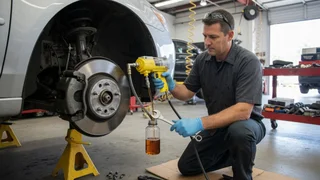
A Mityvac brake bleeder is a vacuum tool. It attaches to a caliper or wheel cylinder bleeder screw and pulls brake fluid and trapped air out into a catch bottle, so one person can bleed or flush the brakes without a helper pumping the pedal. For most DIY owners with conventional hydraulic brakes, a Mityvac brake bleeder kit is a practical choice. Three conditions can change that answer. Vacuum bleeding can draw air past loose bleeder screw threads, which makes the hose look like it is still full of bubbles. Some vehicles with ABS or electronic stability control need a scan tool to cycle the hydraulic unit after certain repairs. And the right kit depends on whether you would rather pump by hand or already own an air compressor.
How a Vacuum Brake Bleeder Works
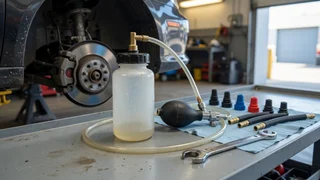
The pump creates vacuum in a sealed catch container. A clear hose runs from that container to the bleeder screw, which is the small valve on the caliper or wheel cylinder. With the screw cracked open, the vacuum draws fluid from the master cylinder reservoir, through the brake lines and out of the caliper. Air in the system leaves with the fluid. When the fluid in the hose runs clear and free of bubbles, that wheel is done.
The usual order is to start at the wheel farthest from the master cylinder and finish at the closest. Bleeding sequences vary by vehicle, though, especially on diagonal-split systems and some ABS designs, so follow the sequence listed in the service information for your model year and trim.
Hand Pump Kit or Air-Powered Bleeder
The Mityvac lineup has generally included hand-operated vacuum pump kits and air-powered (pneumatic) vacuum bleeders. Product names and kit contents change over time, so confirm the current listing rather than relying on an older review.
Type | How it makes vacuum | Best suited to | Trade-offs; Hand vacuum pump kit | Squeezing a pistol-grip pump | Occasional bleeding, flushes on one or two vehicles, other vacuum diagnostic jobs | Slower on a full flush; you have to keep pumping to hold vacuum; Air-powered vacuum bleeder | Compressed air running through a venturi | Frequent fluid flushes, shop use, larger systems | Needs a compressor with enough capacity to run continuously; noisier; less useful away from the garage
A hand pump kit is usually the better value if you bleed brakes a few times a year. Hand pumps also double as diagnostic tools. With the gauge and adapters, they can test vacuum-operated components and check engine vacuum. An air-powered unit makes more sense if you already own a capable compressor and flush fluid often, because it holds steady vacuum with less effort.
What a Mityvac Brake Bleeder Kit Should Include
Kit contents differ between versions, so check the listing for these items before you buy:
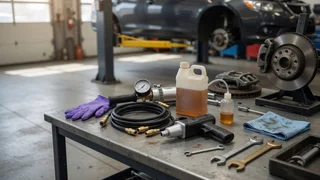
Pump with a vacuum gauge, which shows whether the system is holding vacuum; Catch bottle (reservoir jar) with a lid that seals and a fill line you can read; Clear tubing in more than one length, so you can see bubbles; Bleeder screw adapters in several shapes and sizes to fit common bleeder nipples; Replacement tubing or a spare-parts kit, because hoses harden and crack with age; Optional master cylinder refill bottle, which tops up the reservoir automatically so it does not run dry during a flush; A storage case, which keeps adapters from going missing
The refill bottle is often sold separately and is worth considering if you plan full fluid flushes. If the master cylinder reservoir drops too low during bleeding, air gets back into the lines and you have to start over.
Vehicle Fitment and Compatibility
Vacuum bleeders are not vehicle-specific in the way parts are, but fitment still matters in a few places.
Bleeder screws: Universal adapters cover most bleeder nipples. Very small, oddly shaped or badly corroded screws may need a different adapter or a new bleeder screw. Brake fluid type: Most vehicles use glycol-based DOT 3, DOT 4 or DOT 5.1 fluid. DOT 5 is silicone-based and must not be mixed with glycol fluids. Use the fluid specified on your reservoir cap or in the owner's manual, and clean the tool between fluid types. ABS and stability control: A vacuum bleeder clears the lines and calipers. If air has entered the ABS hydraulic unit, often after it ran dry or was replaced, some vehicles need a scan tool to run a bleed procedure. Check the requirement for your exact model year, market and powertrain. Clutch hydraulics: On many manual-transmission vehicles that share the brake reservoir, the same tool can bleed the clutch slave cylinder, but layouts vary by model.
When You Actually Need to Bleed the Brakes
Bleeding is needed whenever air can enter the hydraulic system or the fluid is due for replacement. Common cases include replacing a caliper, wheel cylinder, brake hose or line, or master cylinder; a soft or spongy pedal; and fluid that has absorbed moisture or darkened over the service interval. Glycol-based brake fluid absorbs water over time, which lowers its boiling point. That is why manufacturers specify periodic replacement.
Swapping brake pads or brake rotors does not normally require bleeding, as long as the hydraulic lines were never opened. Pushing the caliper pistons back to fit thicker friction material raises the reservoir level, so watch it for overflow. If you are already doing pads and rotors because they reached their wear limits, it can be a convenient time to flush old fluid. That is a maintenance choice, not a requirement of the pad job.
Common Problems and How to Avoid Them
Endless bubbles in the hose: Air is often being pulled past the bleeder screw threads rather than coming from the brake system. A little thread sealant made for bleeder screws, or grease around the threads, helps. Watch for a solid column of fluid rather than chasing every tiny bubble. Reservoir running dry: Check the level after every wheel or two, or use an auto-refill bottle. Overfilled catch bottle: Empty it before fluid reaches the pump. Fluid drawn into a hand pump can damage it. Fluid on paint: Glycol brake fluid damages paint. Cover nearby surfaces and wipe up spills right away. Stuck or rounded bleeder screws: Use a properly fitting six-point wrench, and apply penetrating oil ahead of time on older vehicles. Tool care: Rinse and dry the catch bottle and tubing after use, store the pump clean, and replace hardened hoses.
Alternatives Worth Comparing
Before you buy, it helps to know what a vacuum bleeder replaces. The two-person pedal method costs nothing but needs a helper and careful coordination. Gravity bleeding is slow and does not work well on every system. Pressure bleeders push fluid from the reservoir end rather than pulling from the caliper, and avoid the thread-leak issue, but they need a cap adapter that matches your master cylinder reservoir. A vacuum kit sits in the middle: it is one-person, reasonably quick and broadly compatible, with the thread-leak caveat noted above.
Quick Buying Checklist
Pick a hand pump kit for occasional use or an air-powered bleeder if you have a suitable compressor and flush fluid often. Confirm the kit includes a gauge, sealed catch bottle, clear tubing and a range of bleeder adapters. Decide whether you want the reservoir auto-refill bottle for full flushes. Check that spare hoses and parts are available for the version you choose. Confirm your vehicle's fluid type and bleeding sequence, and whether its ABS unit needs a scan-tool procedure. Buy the correct fresh brake fluid and a six-point wrench for the bleeder screws before you start.