Mitsubishi Kei and Mini Cars: What They Are and How They Differ
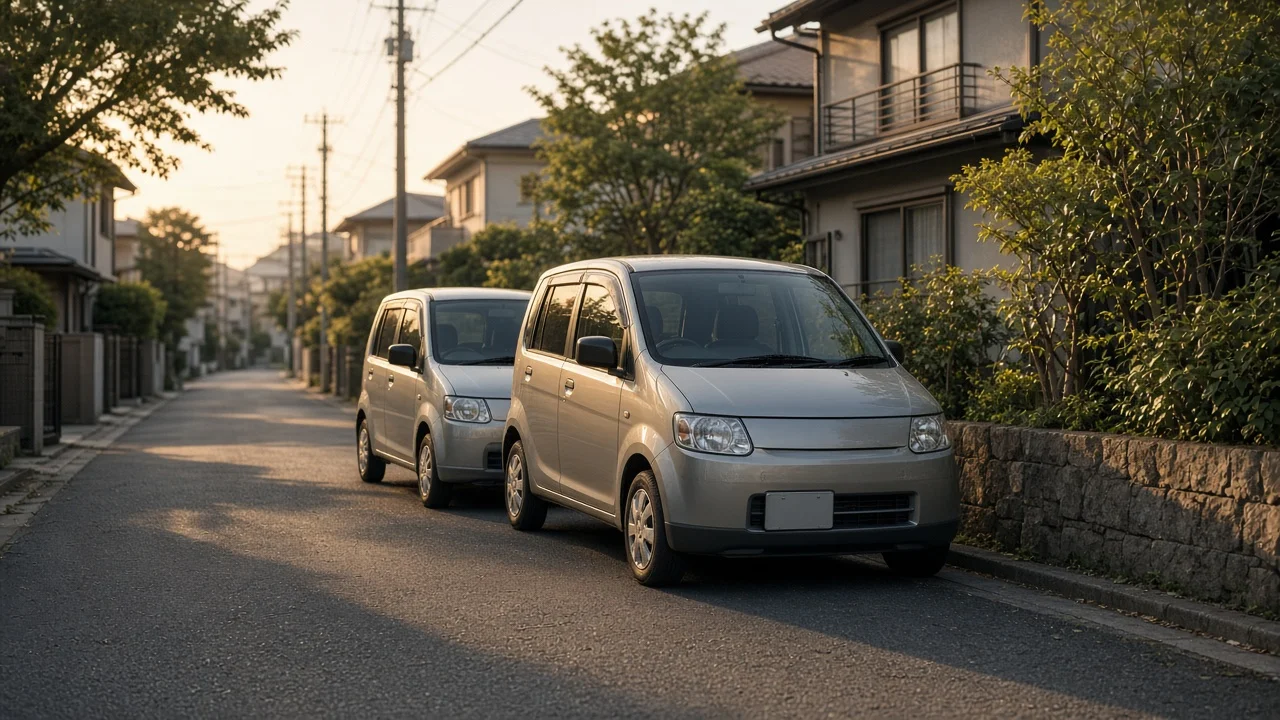
Mitsubishi has built kei cars for the Japanese market for decades and still offers them there today. A kei car is a vehicle built to a specific Japanese size and engine class. Mitsubishi has never sold its kei lineup through US dealers. When American shoppers talk about a small Mitsubishi, they usually mean one of two things. The first is a subcompact like the Mirage, which is small but not a kei car. The second is a privately imported Japanese-market kei vehicle, most often an older Minicab truck or van. Telling these apart is the key to understanding the topic.
What makes a car a kei car
Kei is short for kei-jidosha, which roughly means light automobile. It is a Japanese regulatory class, not a marketing term. Vehicles that meet its limits get tax, insurance and registration advantages in Japan. In many areas they also face lighter parking-space requirements. Manufacturers design these cars to fit inside the limits as closely as possible, which is why kei cars often look tall and boxy.
Engine displacement capped at 660 cc under the current rules; Overall length limited to 3.4 meters; Width limited to 1.48 meters; Height limited to 2.0 meters; Power output held to a long-standing industry ceiling of 64 PS (about 47 kW), set by voluntary agreement rather than law
These limits have changed over the class's history. Older kei vehicles were built to smaller dimensions and smaller engine sizes, so the exact limits depend on when a vehicle was made. Electric kei models follow the same dimensional rules but have no engine displacement.
Mitsubishi's main kei model families
Mitsubishi's kei lineup has covered passenger cars, tall wagons, small SUVs and commercial vehicles. Names, body styles and powertrains have shifted across generations. The families below are the best known, but details vary by year and trim.
Minica: Mitsubishi's long-running kei passenger car, produced across many generations before it was retired; Minicab: a kei truck and van line, the Mitsubishi kei model most often seen in North America through private imports; Toppo: a tall-roof kei hatchback offered in several periods; Pajero Mini: a kei-sized SUV styled after the larger Pajero, with four-wheel-drive versions offered; eK series: the modern passenger family, including the eK Wagon, eK Space, eK X (eK Cross) and eK Cross Space; these are developed with Nissan through their kei joint venture, so many have Nissan counterparts; i and i-MiEV: a rear-engined kei car whose electric version became one of the first mass-produced EVs; eK X EV: a newer electric kei model that shares its platform with Nissan's Sakura; Minicab MiEV: an electric version of the Minicab van; Delica Mini: a recent tall-wagon model that uses the Delica name in kei form
Kei car versus mini car: how the terms differ
Mini car is an informal phrase, while kei car is a legal class. In US usage, a mini car usually means any very small vehicle, including subcompacts and city cars that are far too large or powerful to qualify as kei. Every kei car is a mini car in everyday speech, but most small cars are not kei cars.
Vehicle | Kei class? | How it reached US buyers; Japanese-market kei models (eK, Minica, Toppo, Pajero Mini and similar) | Yes | Not sold new in the US; private imports only, usually older vehicles; Minicab kei truck or van | Yes | Not sold new in the US; a common private import for farm, property and utility use; Mitsubishi i-MiEV (US version) | No; based on a kei car but widened and modified for export markets | Sold new through US dealers for a limited period; Mitsubishi Mirage | No; a subcompact with a larger engine and body | Sold new through US dealers; check current availability, as lineups change by model year
The i-MiEV is the clearest example of the difference. The Japanese version was a true kei car. The export version kept the same basic design but grew wider and gained other changes for overseas regulations, so it no longer fit the kei limits.
Owning a Mitsubishi kei vehicle in the US
Because kei vehicles were never built to US federal safety and emissions standards, they generally reach the country through the federal exemption for vehicles at least 25 years old. That is why imported kei vehicles in the US are older models rather than current ones. The 25-year count is based on the vehicle's manufacture date, so build date matters when you check whether a particular one qualifies.
Federal import eligibility does not guarantee road use. Rules for titling, registering and driving kei vehicles on public roads are set by each state, and some states restrict or reclassify them, especially kei trucks. Check with your state's motor vehicle agency before buying, not after.
Parts: routine service parts are often shared with other Japanese-market models, but body panels and model-specific components can mean ordering from overseas; Driving position: Japanese-market kei vehicles are right-hand drive; Performance: small engines suit low-speed and local use, so highway driving may be limited by the vehicle's speed and by state rules; Condition: as vehicles that are at least 25 years old, many have rust, wear or undocumented history, so an inspection is worthwhile; Documentation: an export certificate, a translated title or deregistration paperwork, and import records are usually needed for registration
Which small Mitsubishi fits your goal
If you need an affordable new small car for normal US roads, including highways, look at Mitsubishi's regular US lineup rather than kei models. If you want a compact utility vehicle for a farm, campus, property or off-road work, an imported Minicab truck can make sense. Confirm your state's rules first. If you are drawn to quirky Japanese design or collect small cars, older imported kei passenger models are an option. Budget for parts sourcing and right-hand-drive ownership, and plan for less highway use.