Mitsubishi kei cars
Mitsubishi kei cars sit within Japan's smallest regulated vehicle class, where compact dimensions, modest displacement engines, and space-efficient body configurations define the segment. For US readers researching these models, the interest often centers on how a Mitsubishi kei car differs from larger domestic runabouts and gray-market imports. Understanding the vehicle class, typical seating layout, powertrain layout, and market segment helps clarify why these machines prioritize urban maneuverability and tax-friendly ownership over highway-focused capability or outright power.
Essential answer
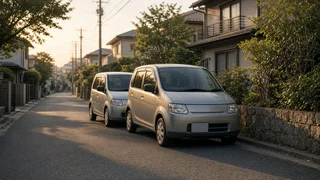
A Mitsubishi kei car is a model designed to meet Japan's kei-jidosha regulations, which cap exterior size, engine displacement, and power output. These constraints produce a distinct vehicle class focused on light weight, efficient packaging, and low running costs. A tall cabin with short overhangs is a common body configuration, allowing useful interior room from a minimal footprint. Models sold under the Mitsubishi name share this regulatory envelope with other Japanese brands, but each generation refines crash structure, interior flexibility, and drivetrain choices within the same broad limits.
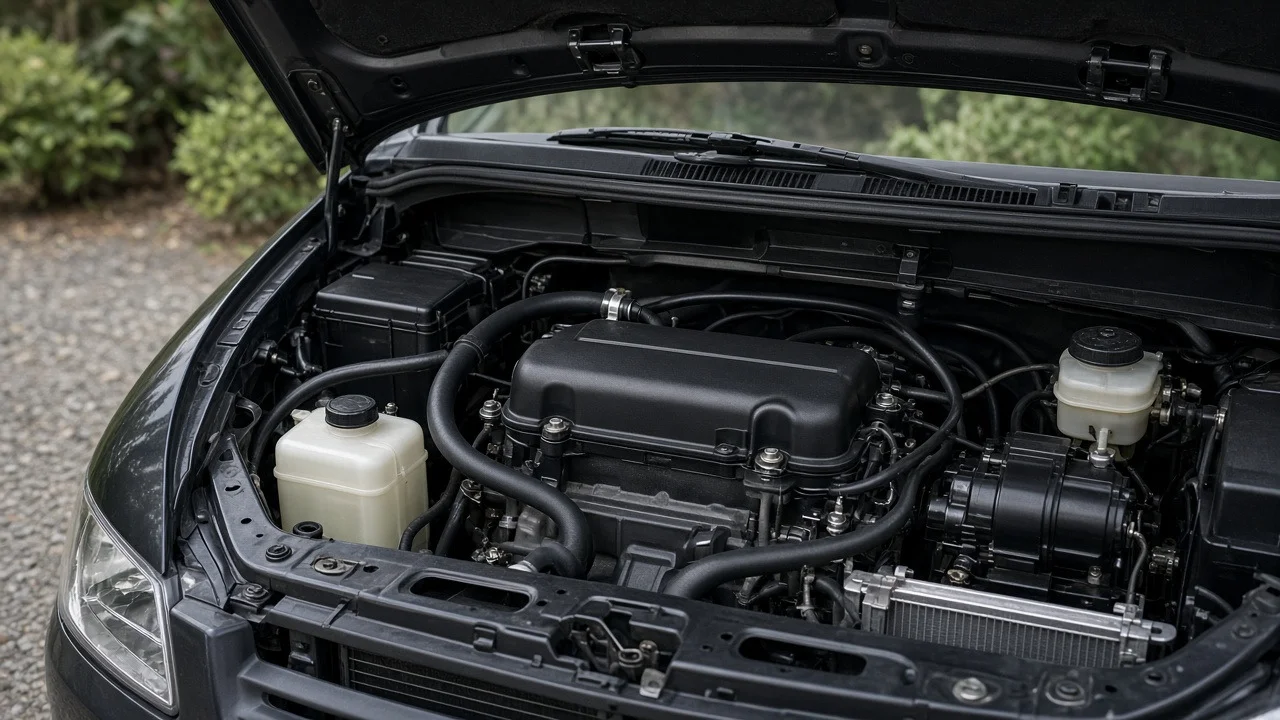
The kei segment covers several body styles, from upright hatchbacks to van-like people carriers and small cargo variants. Powertrain layout is typically front-engine with front- or all-wheel drive, often paired with a continuously variable transmission. Seating layout usually accommodates four occupants, though some tall wagon designs add configurable rear space. Understanding the specific model generation matters because safety equipment, turbocharging availability, and hybrid assistance have evolved over time. For a US buyer, the essential answer is that this is a Japan-market vehicle class emphasizing regulated efficiency rather than a single iconic model.