Merge in Milwaukee traffic
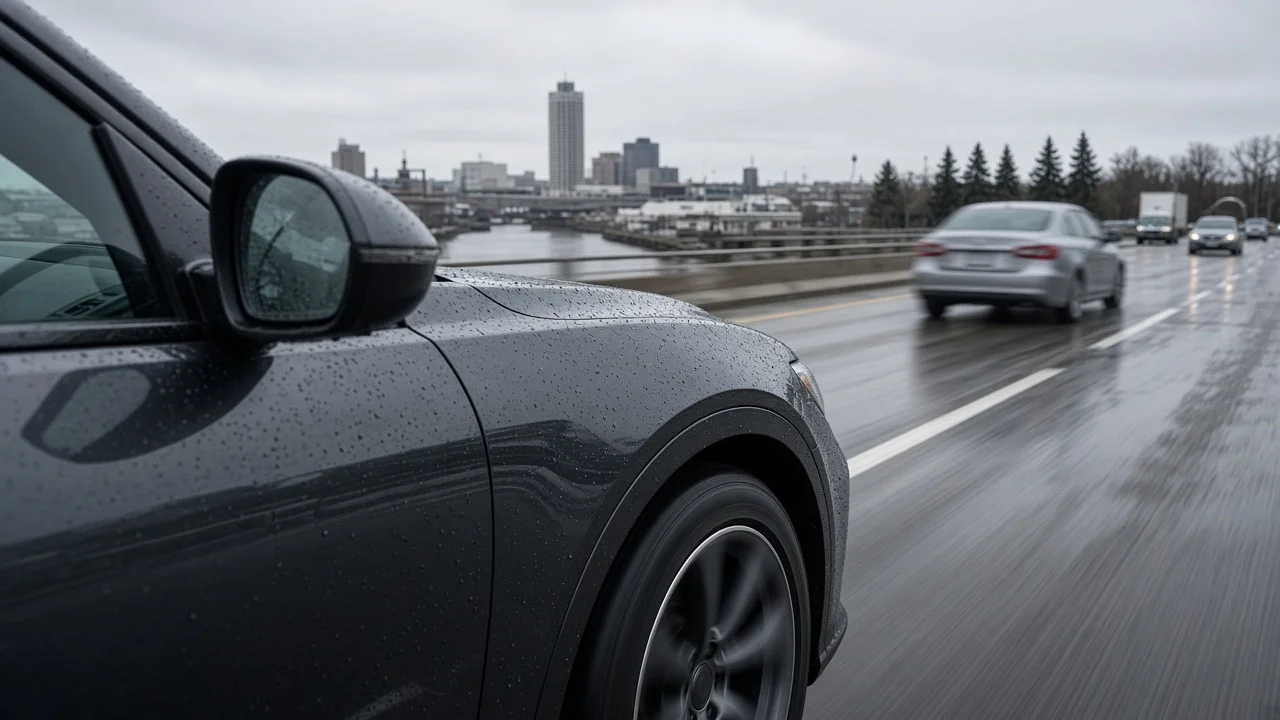
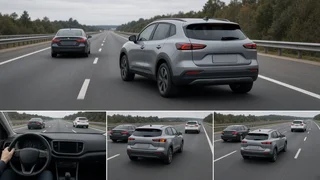
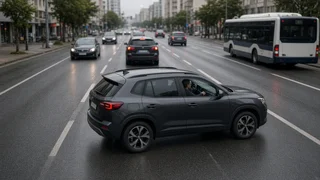
Milwaukee merge driving describes the practical challenge of entering a freeway where ramps can be short, speeds vary, and surrounding traffic is dense. Drivers often mistake it for a fixed rule, but it is really a lane-change and speed-matching task shaped by road markings, visibility, ramp design, and the right of way. Approaching it well means reading the gap early, signaling before the acceleration lane ends, and adjusting to road conditions and driver attention instead of expecting other vehicles to yield automatically.
Essential answer
A Milwaukee merge is not a single codified maneuver; it is the everyday freeway entry condition where a driver must blend from an on-ramp into moving traffic. The essential answer is that the merging driver should use the acceleration lane to match the speed of the nearest through lane, signal clearly, and select a gap while maintaining a safe following distance. Entering too slowly can force surrounding vehicles to brake, while entering too quickly can close a usable space before the driver can judge it.
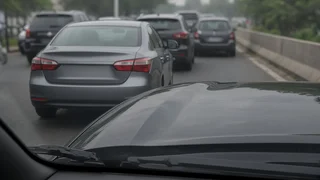
The right of way generally belongs to vehicles already in the through lanes. Ramp users should treat the solid or broken lane lines as a transition zone, not as a guarantee that others must move over. Short ramps increase the need for earlier observation, while longer ramps provide more room to adjust. Because visibility can be limited by curves, barriers, or weather, the safest approach is to begin scanning before the merge point and continue adjusting speed until the lane change is completed.