How to Merge Into Highway Traffic Safely
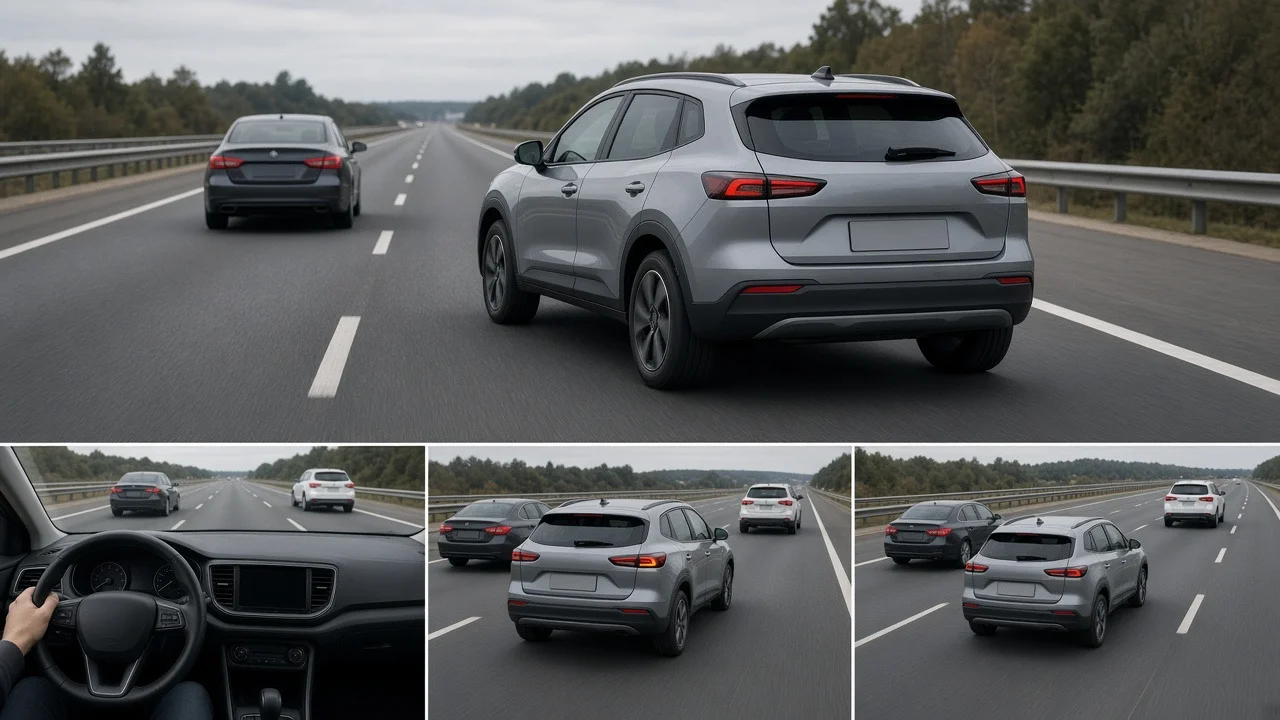
To merge into highway traffic, use the on-ramp and acceleration lane to bring your vehicle up to roughly the speed of the traffic you are joining, choose a gap large enough to fit into without forcing anyone to brake hard, signal, check your mirrors and blind spot, and steer smoothly into the gap. In most of the US, traffic already on the highway generally has the right of way, so the entering driver is expected to adjust to the flow rather than the other way around. Your exact technique changes with ramp length, traffic density, visibility and road conditions, and local rules can differ, so always follow posted signs and road markings.
What Is Merging in Driving?
Merging is the act of moving your vehicle from one stream of traffic into another, usually where two lanes or roadways join. The most common example is entering a highway from an on-ramp, but merging also happens when a lane ends, when a lane is closed for construction, or when two roads converge. The goal is always the same: to enter a gap in traffic so smoothly that the vehicles around you barely need to change speed.
A typical highway entrance has three parts. The ramp itself leads from the local road toward the highway. The acceleration lane, sometimes called a merge lane, runs alongside the highway and gives you room to build speed. The merge point is where the acceleration lane tapers and ends, so you must be in the highway lane before you reach it.
Who Has the Right of Way When Merging?
Under the general rule taught across the US, a driver entering a highway must yield to vehicles already traveling on it. Yielding does not mean stopping; it means timing your entry so you do not cut anyone off. Drivers on the highway are still expected to drive cooperatively, and moving over or adjusting speed to let someone merge, when it is safe, is good practice. Specific wording and enforcement vary by state, so check your state driver manual if you need the precise legal requirement.
Lane closures are a common exception in practice. Some states and work zones use signs directing drivers to use both lanes until the merge point and then take turns, often called a zipper merge. Where such signs are posted, follow them.
Before You Reach the Ramp
Make sure your mirrors are adjusted so you can see as much of the adjacent lane as possible and reduce blind spots. Keep windows and mirrors clear of fog, frost, rain or dirt; good visibility is essential for judging gaps. Know which exit or entrance you need so you are not making last-second decisions. Put away anything that competes for your attention, such as phones or navigation adjustments; merging demands full driver attention. Read the ramp signs and road markings early: look for yield signs, ramp meters, advisory speed signs on curves and lane-ends warnings.
Step-by-Step: How to Merge Onto a Highway
1) Observe traffic while still on the ramp
As soon as you can see the highway, start watching the lane you will join. Glance over your shoulder and use your mirrors to estimate how fast traffic is moving and where the gaps are forming. Doing this early gives you time to plan instead of reacting at the end of the lane. If the ramp has a sharp curve, obey any advisory speed on the curve first and begin accelerating once the road straightens.
2) Turn on your signal
Signal early, ideally as you enter the acceleration lane. This tells highway drivers what you intend to do and gives them a chance to adjust or change lanes if they are able.
3) Accelerate to match traffic speed
Use the acceleration lane for its purpose: building speed. Accelerate firmly and steadily so you arrive at the merge point moving at, or close to, the speed of the vehicles around you, while staying within the posted limit and what conditions allow. Entering too slowly is one of the most common and dangerous merging mistakes, because highway drivers must brake sharply or swerve to avoid you. If your vehicle accelerates slowly, such as when it is heavily loaded or towing, begin accelerating as early as the ramp allows.
4) Choose your gap
Pick a space between two vehicles that is large enough for your car plus a safe cushion in front and behind. You want room to settle into a reasonable following distance from the vehicle ahead without forcing the vehicle behind to brake. Many driver education programs teach a following gap of at least three seconds in good conditions, with more space in rain, at night or in heavy traffic. Adjust your speed to line up with the gap: speed up slightly to get ahead of a vehicle, or ease off slightly to slip in behind one.
5) Check your mirrors and blind spot
Immediately before moving over, check your side mirror, your rearview mirror and then a quick glance over your shoulder into the blind spot. Motorcycles and small cars are easy to miss. Keep the glance brief so your eyes return to the road ahead quickly, since traffic in front of you may also slow down.
6) Move smoothly into the lane
Steer gradually into the gap rather than cutting across sharply. Keep your speed steady as you change lanes so you blend in with the flow.
7) Cancel your signal and settle in
Once fully in the lane, turn off your signal, adjust to a safe following distance and stay in that lane for a moment before considering any further lane changes. Avoid crossing several lanes immediately after merging; move over one lane at a time, repeating the signal and blind-spot check for each.
How to Know You Merged Correctly
No driver behind you had to brake hard, swerve or sound the horn. You entered at or near the speed of surrounding traffic. You completed the lane change before the acceleration lane ended. You have a comfortable gap ahead and behind you. Your signal is off and you are centered in your lane.
If any of these did not happen, think about which step went wrong. Most problems come from starting to observe traffic too late, accelerating too gently or picking a gap that was too small.
Handling Difficult Merging Situations
No gap is available
If traffic is dense and you cannot find a safe gap, adjust your speed to create one, for example by slowing slightly to fall in behind a group of vehicles. Do not force your way in. If you reach the end of the acceleration lane without a safe opening, slowing down or stopping at the end of the lane is safer than merging into a vehicle, but stopping is a last resort because accelerating from a standstill into fast traffic is difficult. If you must stop, wait for a gap large enough to accommodate your slower acceleration. Never back up on a ramp or drive on the shoulder to get around the problem.
Short ramps and stop-controlled entrances
Some older interchanges have very short acceleration lanes or a stop or yield sign at the end of the ramp. In these cases you have less room to build speed, so you need a larger gap than usual. Look well up the highway, wait for a clear opening and accelerate briskly once you commit.
Ramp meters
Some on-ramps have traffic signals, called ramp meters, that release vehicles one or a few at a time to keep the highway flowing. Stop at the line when the signal is red, and proceed when it turns green, then accelerate and merge normally. Signs near the meter typically explain how many vehicles may go per green.
Heavy, slow traffic
When the highway is congested and moving slowly, matching speed is easy but gaps are small. Move at the pace of traffic, signal clearly and take turns where that is the local practice. Steady, predictable movements matter more here than speed.
Poor road conditions or low visibility
Rain, snow, ice, fog and darkness all make merging harder. Traction is reduced, stopping distances are longer and it is harder to judge the speed of approaching headlights. Choose larger gaps, accelerate smoothly to avoid wheelspin, use your headlights so others can see you and allow extra following distance once you are on the highway.
Merging near large trucks
Trucks and buses have large blind spots, need more distance to slow down and are often limited in their ability to change lanes. Avoid merging directly in front of one with only a small gap, and do not linger beside it. Either get well ahead of it or fall in behind it.
Left-side entrances
Occasionally a ramp joins the highway on the left, feeding into the fast lane. The technique is the same, but you will check your right-side mirror and blind spot, and traffic in that lane is often moving faster, so a strong, early acceleration is especially important.
Common Merging Mistakes to Avoid
Slowing down or stopping on the ramp when there is room and time to accelerate. Waiting until the very end of the acceleration lane to look for a gap. Relying only on mirrors without checking the blind spot. Forcing into a gap that is too small and making others brake. Crossing the solid line at the start of the merge area early when road markings prohibit it. Changing several lanes at once immediately after merging. Forgetting to signal or leaving the signal on after the merge.
How Highway Drivers Can Help Others Merge
If you are already on the highway and see vehicles entering, you can make the merge safer for everyone. When it is safe and legal, move one lane over to open space for entering traffic. If you cannot change lanes, maintain a steady, predictable speed so the merging driver can judge the gap; sudden speeding up or slowing down makes it harder for them. Avoid racing an entering vehicle to the merge point. These courtesies do not change who has the right of way, but they reduce conflicts and keep traffic moving.
Key Takeaways
Successful merging comes down to planning early, using the full acceleration lane to match the speed of traffic, choosing a gap with room ahead and behind, and confirming it is clear with your mirrors and a blind-spot check before moving over smoothly. Stay alert, adapt to visibility and road conditions, and follow any posted signs or lane markings at the specific interchange you are using. If you are a new driver or feel uneasy about highway entrances, practicing at quieter times with an experienced driver or taking a professional driving lesson is a sensible next step.