How to Use Driving Turnouts: A Step-by-Step Guide
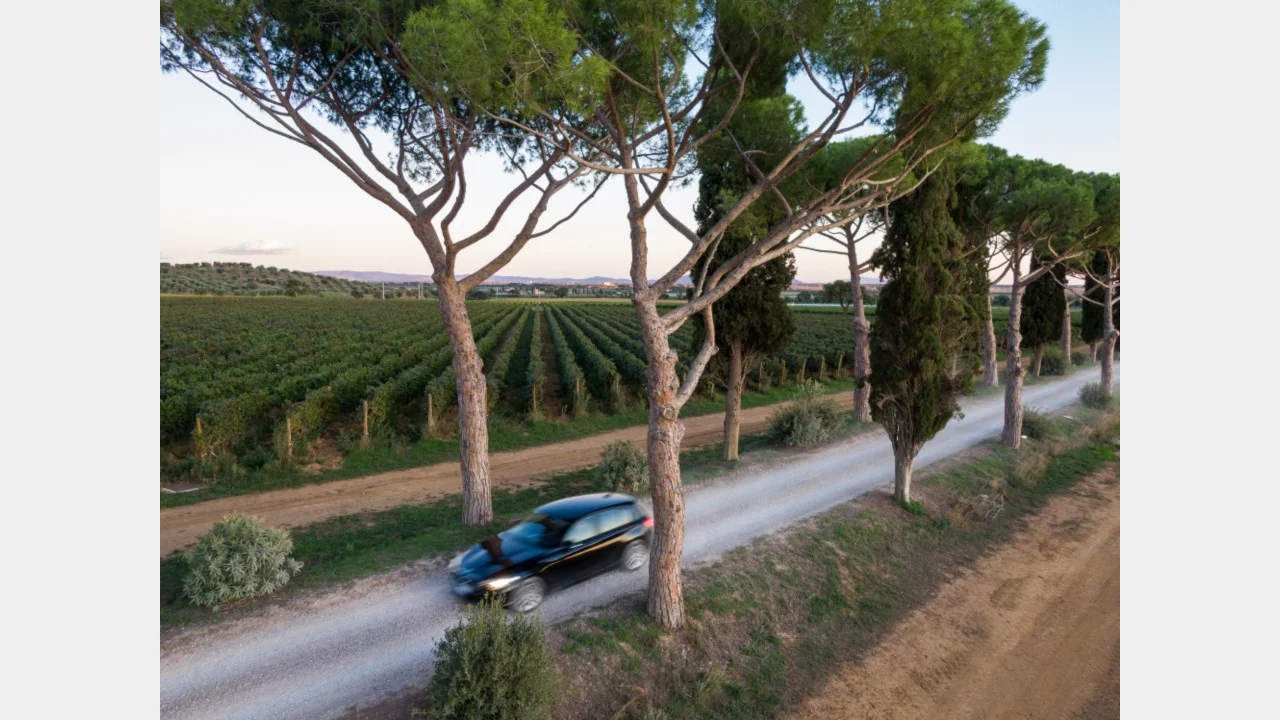
A turnout is a short, widened area beside a two-lane road where a slower vehicle can pull out of the travel lane so faster traffic behind it can pass. You will find them most often on mountain routes, scenic highways and rural roads where passing zones are rare. Using one correctly comes down to four things: notice when you are holding up traffic, signal and slow down smoothly, let the line of vehicles go by, then merge back only when the lane is clear.
The Short Answer
If you are driving below the flow of traffic on a two-lane road and vehicles are stacking up behind you, use the next safe turnout. Signal right, slow down gently, move fully off the travel lane, let the following vehicles pass, then signal left and merge back when you have a clear gap. Vehicles already in the travel lane have the right of way when you re-enter.
In some states, using a turnout is a legal requirement, not just a courtesy. California, for example, requires a slow-moving vehicle on a two-lane highway to pull into a turnout or other safe area when five or more vehicles are lined up behind it. Rules and thresholds differ by state, so check your state's driver handbook for the exact requirement where you drive.
Turnouts vs. Shoulders, Vista Points and Chain Areas
A turnout is built for brief use: pull in, let traffic pass, pull out. It is usually marked by signs such as "Slow Vehicles Use Turnouts" or "Turnout Ahead," and the area itself may be paved or gravel. It is different from a scenic vista point or rest area, which is designed for parking, and from a chain installation area, which is designated for fitting tire chains in winter. A road shoulder can sometimes serve a similar purpose, but shoulders are often narrow, uneven or absent on the roads where turnouts are most useful.
Before You Need a Turnout
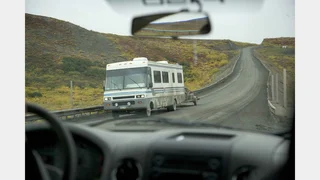
Check your mirrors regularly. Driver attention to what is behind you matters as much as what is ahead, especially on winding roads where you may be slower than local traffic. Watch for signs announcing upcoming turnouts so you can plan ahead instead of braking suddenly. Be honest about your pace. Large vehicles, motorhomes, cars towing trailers, heavily loaded vehicles and drivers unfamiliar with the road are commonly slower on grades and curves. That is normal; the turnout exists so you can drive at a comfortable speed without delaying others. Assess road conditions. Rain, snow, ice, loose gravel or fallen debris can make a turnout surface less grippy than the main road.
How to Use a Turnout, Step by Step
1) Choose a suitable turnout
Pick a turnout with enough length for your vehicle to enter, slow down and stop or roll without hanging into the lane, and with good visibility in both directions. Stop condition: skip a turnout if it is occupied, too short for your vehicle or trailer, sits on a blind curve where you cannot see oncoming or following traffic, or has a soft, rutted or washed-out surface. Continue to the next safe one.
2) Signal early
Turn on your right turn signal well before the turnout. This tells drivers behind you that you are about to move over and helps them avoid passing you in the wrong place or braking unexpectedly.
3) Slow down smoothly
Ease off the accelerator and brake gradually. Avoid hard braking in the travel lane, since vehicles behind you may be following closer than they should. Where the turnout is long enough, do most of your slowing after you have moved out of the lane.
4) Move completely out of the travel lane
Steer into the turnout so your entire vehicle, including any trailer, is clear of the lane and its edge line. Hazard: gravel and dirt surfaces can reduce traction and steering response, and some turnouts have drop-offs, soft edges or potholes at the outer boundary. Enter at a modest speed and keep to the firm part of the surface.
5) Let traffic pass
If the turnout is long, you may be able to keep rolling slowly while vehicles go by. If it is short, come to a full stop. Keep your right signal on or switch to hazard lights only if you have fully stopped and local practice favors it. Wait until the whole line has passed, not just the first car.
6) Check for a safe gap
Look in your mirrors and over your left shoulder for approaching vehicles, including motorcycles and bicycles that are easy to miss. Traffic on the road has the right of way. Make sure your view of oncoming traffic is not blocked by curves, crests or vegetation.
7) Signal left and merge back
Turn on your left signal, use the remaining length of the turnout to build speed if possible, and merge back into the lane only when the gap is large enough that no one has to brake for you. On an uphill grade with a heavy vehicle, wait for a bigger gap than you would on level ground, since acceleration will be slower.
8) Confirm you are back to normal driving
Once you are settled in the lane, cancel your signal, check your mirrors again and resume a steady speed. Completion check: you are fully in your lane, your signal is off, the vehicles that were behind you are ahead, and nothing new is closing in quickly. If another queue builds, repeat the process at the next turnout.
Quick Reference
Situation | What to do; A line of vehicles is forming behind you | Use the next safe turnout; Turnout is occupied or too short | Continue to the next one; do not stop partly in the lane; Turnout is on a blind curve | Skip it unless you can see clearly enough to merge safely; Surface is muddy, icy or loose | Enter slowly or choose a different turnout; You need to stop for a longer break | Use a vista point, rest area or parking area instead; You are towing or driving a large vehicle | Choose turnouts long enough for your full length and allow larger merge gaps
If You Are the Driver Behind
Keep a safe following distance. Tailgating does not make the vehicle ahead pull over sooner and leaves you no margin if it slows to enter a turnout. Do not pass on the right using the turnout. Wait for the slower vehicle to move over and then pass in the travel lane. Pass promptly but within the speed limit, and do not cut back in front of the vehicle you passed until you have room. Do not enter the turnout yourself unless you are also letting traffic by or need to stop briefly.
Common Mistakes to Avoid
Ignoring a long queue behind you because you are driving at or near the speed limit. On roads with turnouts, the expectation in many places is still to let faster traffic by when it is safe. Braking hard in the lane right before the turnout instead of signaling and slowing gradually. Stopping with part of the vehicle or trailer still in the travel lane. Merging out without checking for the last vehicle in the line or a fast-approaching motorcycle. Using a turnout as a parking spot for photos or a long rest, which blocks it for drivers who need it. Misreading road markings: a turnout's edge does not change who has the right of way. The through lane keeps priority.
Key Takeaway
Turnouts keep two-lane roads moving and reduce the temptation for frustrated drivers to pass unsafely. Plan ahead using signs, signal early, get fully off the lane, let the entire queue pass and merge back only with a clear gap. Because legal requirements vary, confirm your own state's rules in its official driver handbook.