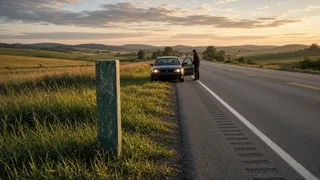
Driving on US highways and freeways
Driving on American freeways and US highways rewards predictable positioning, early observation, and steady speed control. These high-capacity routes differ from surface streets because access is limited, travel speeds are higher, and decisions must be made farther ahead. Understanding right of way, road markings, visibility, following distance, road conditions, and driver attention helps reduce stress when merging, passing, or exiting. This article explains the core behaviors that make interstate and divided-highway travel safer for all road users, including motorists building confidence through guidance such as freeway driving AAA material and everyday experience.
Essential answer
Driving on US highways involves managing speed, lane position, and space on roadways that may include intersections, traffic signals, or at-grade crossings. These routes often carry regional traffic through towns and open country, so a driver must stay alert for slowing vehicles, turning traffic, and changing road markings. The essential task is to maintain a following distance that allows response time when conditions change. Unlike a controlled-access freeway, a US highway can place faster through traffic next to local vehicles entering from cross streets and driveways.
Driving on American freeways means operating on divided, access-controlled roads where entering and exiting occur only at ramps. The central skills are merging at the speed of the travel lane, scanning farther ahead, and maintaining lane discipline. Driver attention matters because closing speeds are higher and gaps disappear quickly. Road conditions such as rain, spray, or low sun reduce visibility and require extra space. Good freeway driving is less about aggressive maneuvering than about making small, legible adjustments that preserve right of way without forcing other motorists to brake unexpectedly.