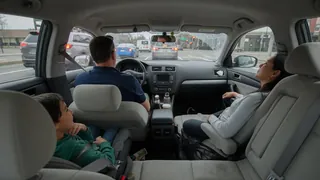
Stop-and-go traffic driving
Stop-and-go traffic driving rewards a deliberate standard-transmission technique that balances clutch life, following distance, and driver attention. In slow, repeated acceleration and braking, the goal is not speed but smooth, predictable movement that avoids wear and unnecessary shifting. The right method depends on road conditions, visibility, and the space ahead. This article explains how to approach creeping highway or city queues in a manual-shift vehicle without riding the clutch, stalling, or rolling unexpectedly.
Essential answer
The essential approach is to leave enough following distance so you can often stay in first or second gear at a steady crawl instead of constantly engaging and disengaging the clutch. By reading several cars ahead and matching speed to the queue, you reduce abrupt stops and starts. This is easier when road conditions are dry and visibility is clear, but even wet pavement or glare requires a longer gap and gentler throttle inputs.
In a manual transmission, avoid holding the car on an incline with the clutch partially engaged; use the brake and select neutral or a low gear only when you are ready to move. If the line advances briefly, a slight release of the clutch with low rpm can inch the car forward. Right of way at merges and lane changes still follows road markings and normal traffic rules, but your wider gap makes yielding and lane positioning safer.