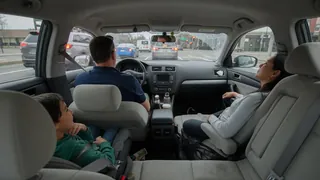
Drive a manual in stop-and-go traffic
Driving a manual in stop-and-go traffic often feels less like driving and more like managing a rolling queue. The clutch pedal becomes the center of attention, and every small gap invites a decision that an automatic transmission would quietly make for you. This guide explains why the experience can be demanding while showing how to use the gearbox, following distance, and road conditions as tools. It focuses on practical throttle, clutch, and observation techniques that reduce fatigue, protect the drivetrain, and keep you moving smoothly.
Essential answer
Driving standard in stop and go traffic is manageable when you treat the clutch as a progress control, not an on-off switch. Instead of creeping forward for every car-length gap, let the vehicle ahead create a buffer. Idle in first gear or even neutral, then move only when space opens enough to release the clutch fully at low speed. This reduces repeated friction-point slipping, which is the main source of leg fatigue and clutch heat in crawling conditions.
In slow traffic, the essential answer involves using a larger following distance than you might with an automatic. The gap absorbs the accordion effect of brake lights, letting you roll at a steady walking pace while others surge and stop. Watch road markings and visibility ahead, not just the bumper directly in front. By anticipating when the queue will compress, you can stay in one gear longer, reduce unnecessary shifts, and maintain better driver attention for cross traffic or sudden lane changes.