Mercedes-Benz Tire Valve Stem
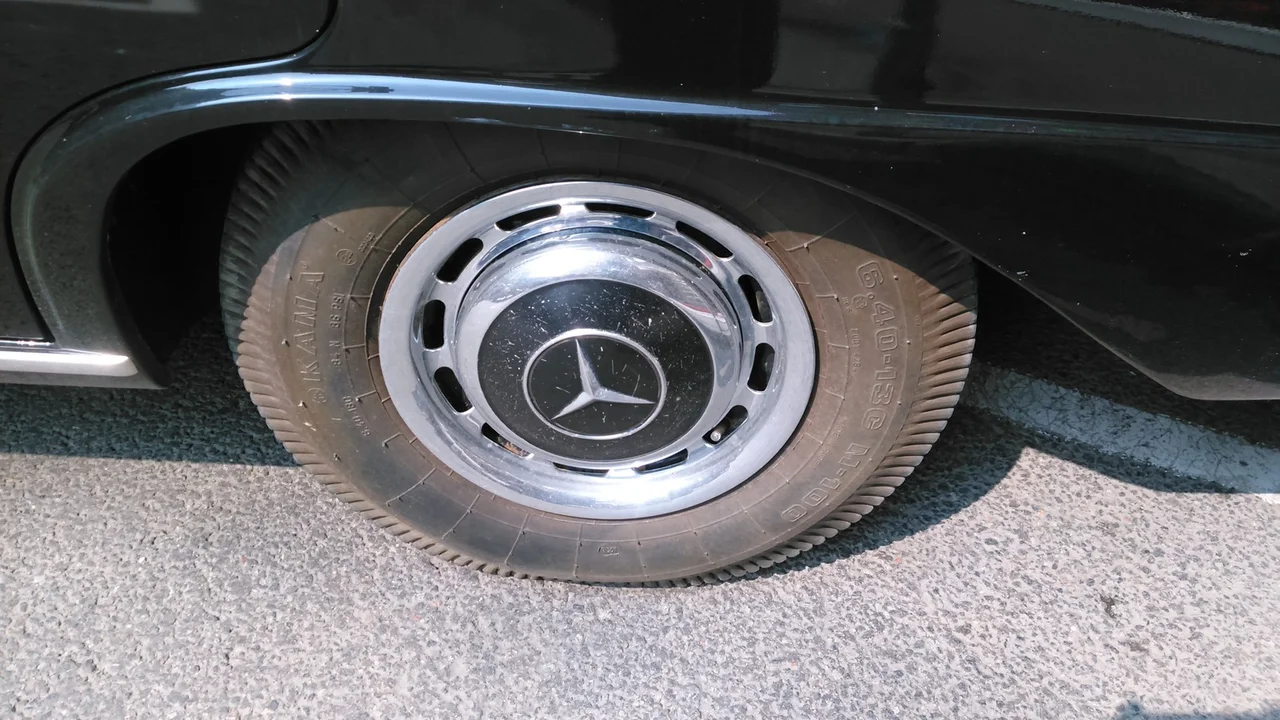
A tire valve stem may look like a minor fitting, but it is a key part of wheel and tire care on a Mercedes-Benz. This small component seals the inflation chamber, allows pressure checks, and helps maintain the correct inflation pressure specified on the vehicle placard. Understanding how the valve relates to tire size, load index, and speed rating can prevent slow leaks and pressure loss. Whether replacing a wheel, servicing a tire pressure monitoring sensor, or diagnosing air loss, the correct valve configuration matters for reliability and drivetrain compatibility.
Essential answer
A Mercedes-Benz tire valve stem is the inflation port and sealing point where air enters the wheel and tire assembly. It threads through or snaps into the wheel, holding a Schrader valve core that opens during inflation and closes to trap pressure. On many modern models, the stem is integrated with a tire pressure monitoring sensor inside the wheel. When the valve is damaged, corroded, or aged, air can escape slowly even if the tire and wheel appear sound.
The correct replacement depends on the wheel design and whether the vehicle uses a direct sensor system. Mercedes-Benz wheels may require a metal clamp-in stem or a rubber snap-in type, and the choice must match the hole diameter and sensor mounting. The load index and speed rating on the tire sidewall assume stable inflation, so a leaking stem can reduce safety long before tread depth wears. Checking the stem during tire service helps preserve ride quality and drivetrain compatibility.