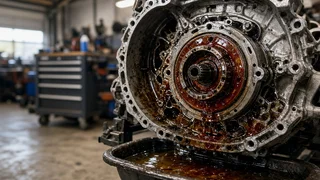
Mercedes 722.9 transmission fluid
When a Mercedes equipped with the 7G-Tronic automatic transmission starts shifting harshly, delays engagement, or logs transmission diagnostic codes, the fluid often deserves attention before any major repair is considered. The 722.9 unit relies on a specific fluid specification to manage hydraulic pressure, clutch engagement, heat, and friction behavior. Using a generic automatic transmission fluid can change shift behavior and long-term wear. The following guide explains what this transmission fluid is, why its specification matters, and what a practical owner should know before changing, checking, or topping off the fluid.
Essential answer
The Mercedes 722.9 transmission fluid is a dedicated automatic transmission fluid designed for the 7G-Tronic gearbox family, not a universal fill for any automatic. Its job is to transmit hydraulic control pressure, cool the valve body and clutch packs, and maintain consistent friction so shifts remain predictable. The term “722.9” refers to the transmission type rather than a single fluid part number. Fitment depends on the specific vehicle application and the fluid specification approved for that transmission generation, so the fluid requirement should be confirmed against the owner’s manual or a reliable Mercedes application reference before purchase.
Fluid condition and level can affect shift behavior long before a mechanical failure appears. Low fluid may produce delayed engagement, flared upshifts, or harsh downshifts as the transmission control unit tries to compensate for unstable hydraulic pressure. Contaminated or degraded fluid can alter friction characteristics and lead to jerky shifts or diagnostic codes related to gear ratio or clutch performance. Because the 722.9 depends on the fluid as a functional hydraulic and friction component, evaluating the fluid specification, service history, and condition is a reasonable first step when driveability symptoms appear rather than assuming a failed transmission.