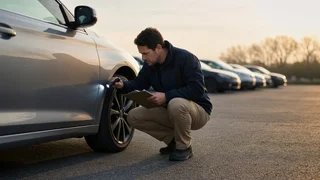
Mecum Auction Car Inspection: What to Check Before You Bid
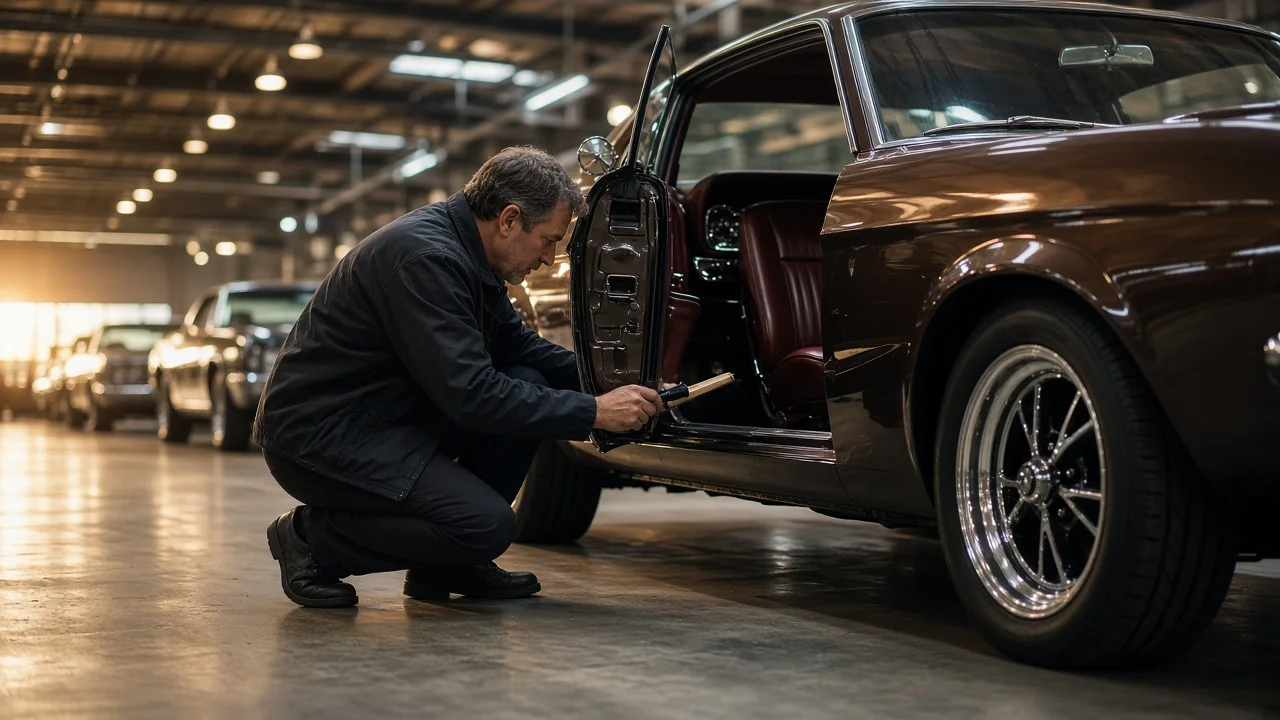
The short answer
Treat a Mecum car as something you must verify yourself before you bid. Collector car auctions generally sell vehicles as described by the seller, and the auction house does not stand behind the car's mechanical condition or history the way a warranty would. Your protection comes from inspecting the car, or having an independent inspector do it, before it crosses the block. Once the hammer falls, your options for backing out are usually very limited, so confirm the current terms of sale for the specific auction you plan to bid in.
Two things materially change how you approach this. The first is whether you can attend in person. If you can, plan to use the preview time before the car's sale slot. If you are bidding remotely by phone or online, hire an independent inspector who will be at the venue. The second is the car's value and how much it depends on originality. For a driver-quality car, a careful condition check may be enough. For a car whose price rests on claims like numbers-matching, a documented restoration or a rare factory option, you need an inspector or marque specialist who knows that exact model, year and configuration.
What to check on the car
Whether you inspect it yourself or brief an inspector, these are the areas that most often separate a good buy from an expensive surprise.
Identity: Confirm that the VIN on the car matches the title and the auction listing, and check that the VIN plate and its fasteners look correct for the make and year. Paperwork: Ask to see the title, build documentation, restoration records and any receipts the seller has provided. Note anything the listing claims that the paperwork does not support. Rust and structure: Look at floors, rockers, frame rails, trunk pan, wheel wells and the lower edges of doors and fenders. Fresh undercoating or heavy paint underneath can hide repairs. Body and paint: Check panel gaps, look for paint that doesn't match between panels, and look for signs of filler. A paint thickness gauge, which measures coating depth, helps show where panels have been refinished or repaired. Fluids and leaks: Look under the car and around the engine, transmission and differential for active leaks, and check the condition of the oil and coolant. Engine and drivetrain: Where the venue and seller allow it, listen to a cold start, watch for smoke and note any knocks, ticks or rough running. Interior and electrics: Test the gauges, lights, wipers, windows, and HVAC (heating and air conditioning) if fitted. Check whether the interior trim is correct for the car or has been replaced. Tires and brakes: Check tire date codes and condition and look at visible brake components. Old tires can look fine and still be unsafe.
How to verify common listing claims
Listing language often carries much of a collector car's value. Each claim needs its own kind of evidence, and what counts as correct varies by manufacturer, model year, market and powertrain.
Claim | What supports it | Who can confirm it; Numbers-matching | Engine, transmission and axle stamps or codes that align with the VIN and build date for that specific model | A marque specialist or registry familiar with that model's coding; Frame-off or rotisserie restoration | Photo documentation and invoices from the restoration | The restorer's records, plus a physical check of areas normally hidden; Rare factory option | Original build sheet, window sticker or factory documentation | A marque registry or the manufacturer's records where available; Low original mileage | Service records, inspection or title history and wear consistent with the mileage | An inspector comparing the paperwork with the physical condition; Runs and drives well | A start-up and, where permitted, movement under the car's own power | An in-person check at the venue
Hiring an independent inspector
If you cannot attend, or the car is worth more than you are comfortable judging alone, hire a third-party inspector who will be at the auction venue. Before you hire anyone, ask whether they know the make and era you are considering, what their report includes, and whether they provide photos or video. Ask how they will handle limits at the venue, such as not being able to lift the car or drive it. Give them the lot details and the listing's specific claims so they check what matters for your decision rather than doing a generic walk-around.
Limits of an auction-floor inspection
An inspection at an auction venue is not the same as a full pre-purchase inspection at a shop. You may not be able to put the car on a lift, run a compression test or take a meaningful test drive, and time with the car may be short and crowded. A clean inspection lowers your risk but does not remove it. Set your maximum bid with room for repairs that could only be found after you own the car.
Before you bid
Read the current conditions of sale for that auction, including how title problems and misdescriptions are handled. Confirm the buyer's fees and add them to your maximum bid. Plan payment, transport and any storage costs before the sale. Check how titling and registration will work in your state, especially for an out-of-state car. Decide your walk-away price based on what the inspection found, not the excitement in the room.
What this guide could not confirm
No confirmed details were available about Mecum's current inspection access, preview schedules, start-up or test-drive rules, buyer fees, dispute procedures or recommended inspectors. These can vary by event and change over time. Check them directly with the auction house before you register to bid, and do not rely on general guidance for any specific figure or policy.