Meaning of the Tucson car name
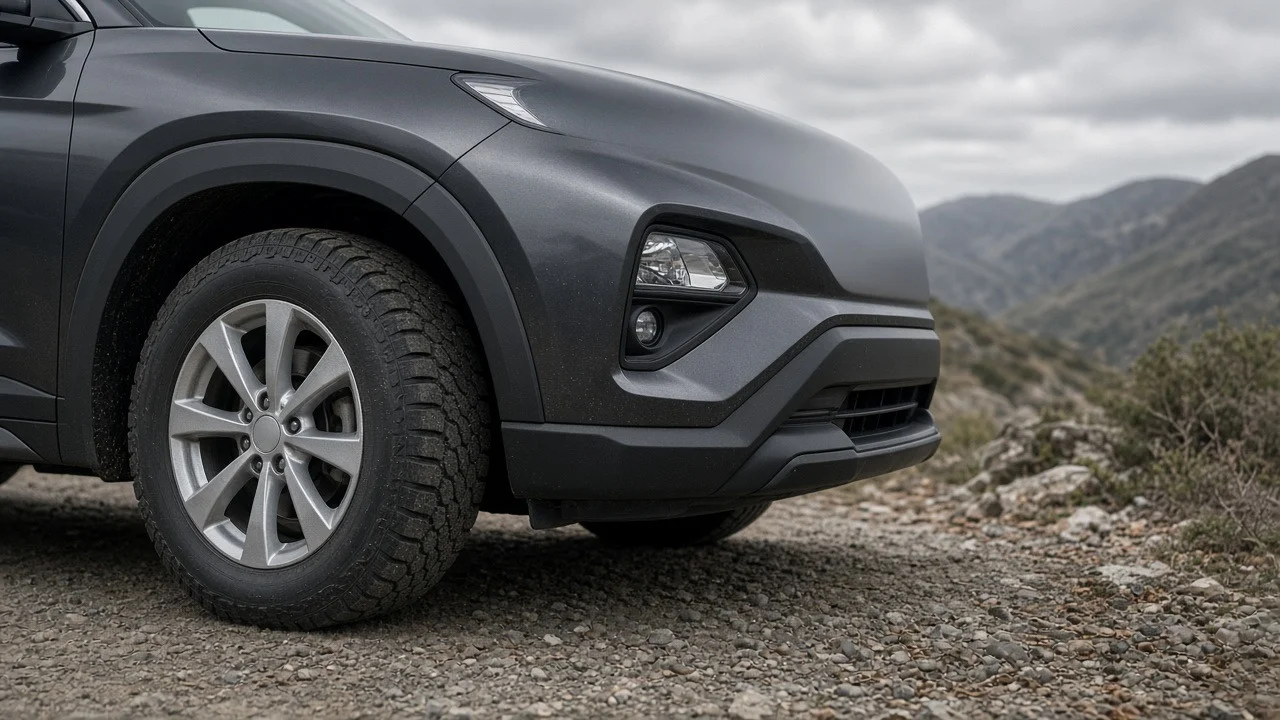
The Tucson name appears on a compact Hyundai SUV, but the badge carries more than a model designation. Understanding the "tucson car meaning" starts with the name's geographic origin: Tucson, Arizona. Hyundai has a long practice of choosing place names that suggest adventure, warmth, and rugged outdoor capability. For a crossover marketed to drivers who split time between city streets and weekend trails, that association matters. The name also fits a naming strategy seen across the Hyundai lineup, where regional identity helps distinguish one body design from another without relying on technical jargon.
Meaning
In an automotive context, the Tucson car meaning refers directly to the city of Tucson, Arizona, not to a mechanical function or an acronym. Hyundai selected the name to evoke the American Southwest's open terrain, desert light, and sense of independent travel. That geographic reference gives the vehicle a distinct model identity while remaining easy to pronounce and remember across English-speaking markets. The choice tells buyers the SUV is positioned around lifestyle and exploration rather than a purely utilitarian descriptor.
The name also carries practical significance in how the car is marketed and understood. A place-based badge can shape expectations about capability, even when the original specification remains a compact crossover. Tucson's identity leans toward warm-weather adventure and everyday versatility, which aligns with how many owners use the vehicle. For readers searching the phrase, the answer is straightforward: the word is borrowed from a real place, and that borrowing is the entire naming logic.
How it works
A geographic name works as a branding mechanism because it creates an immediate mental image before a buyer sees the vehicle. When Hyundai applies the Tucson label to a compact SUV, it links the car to associations of dry climate, mountain backdrops, and accessible outdoor recreation. That connection influences market context and showroom perception. The name itself does not change the vehicle's mechanical behavior, but it helps position the model within a crowded field of crossovers.
The naming approach also interacts with vehicle modification and owner culture. Drivers who personalize a Tucson often lean into roof racks, all-terrain tires, or cargo accessories that match the adventurous implication of the badge. In that way, a place name becomes a loose design language: it suggests how the vehicle might be used even though the production period and engineering choices define what it actually is. The word, in short, sets a tone rather than a technical promise.
Key differences
The main distinction to make is between the car name and the city itself. Tucson, Arizona, has its own history, climate, and cultural identity, but none of those details transfer directly into the SUV's engineering. A geographic badge is a naming convention, not a specification. Comparing the Tucson to a vehicle named after a mechanical feature or an invented word helps show the difference: one draws meaning from a real place, while the other may communicate function or pure brand invention.
There is also a difference between the Tucson's name and some rival compact SUVs that use alphanumeric designations. An alphanumeric badge often signals size or lineup position, while a place name signals character. Neither approach is technically superior, but they speak to buyers differently. The Tucson's geographic naming emphasizes lifestyle and recognition, whereas a code-like badge leans toward hierarchy and consistency. Understanding that contrast clarifies why the question of meaning arises at all.
Understanding a problem
A common source of confusion comes from seeing Tucson written in dealer listings, owner's manuals, and insurance documents without explanation. Some drivers wonder whether the word indicates a trim level, an engine option, or a special edition. It does not. The name applies to the model line as a whole, and specific equipment is identified separately by trim names or package codes. Recognizing that separation can prevent misreading a window sticker or service record.
Another problem involves pronunciation or meaning when the vehicle is discussed across regions. The badge is taken from the Arizona city, but international buyers may encounter it without that geographic context. That can make the name feel arbitrary or invented. In such cases, the useful check is simple: treat it as a proper noun borrowed from a place, not an abbreviation or a hidden technical term. No diagnostic action is needed because the wording is not a malfunction indicator.