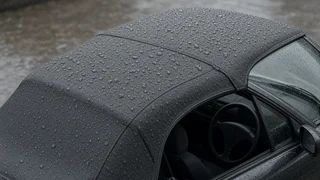
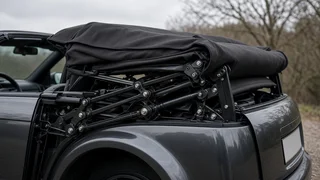
Mazda miata convertible soft top

A Mazda Miata convertible soft top is more than a roof; it shapes the open-air character of a lightweight roadster. Understanding the folding fabric assembly helps owners evaluate replacement fit, weather protection, and everyday function. Because the Miata spans several model generations, the soft top design varies subtly with each body configuration and market segment, but the basic principles of tension, sealing, and folding remain consistent. The relevant entries below connect the soft top to the wider vehicle class, seating layout, powertrain layout, and model generation so a buyer can more confidently choose or inspect a Miata convertible.
Relevant entries
The Mazda Miata convertible soft top belongs to the classic two-seat roadster body configuration. This vehicle class emphasizes a low center of gravity and compact seating layout, with the folding top stored directly behind the seats. A soft top suits that design because it folds into a small space without the weight or complex packaging of a retractable hardtop. For a Miata, the fabric roof also preserves the original character of an agile rear-wheel-drive powertrain layout, where every added pound influences steering feel, acceleration, and ride comfort.
Model generation matters when comparing soft tops. Early NA and NB Miatas use a simple manually operated frame, while later NC and ND generations add revised header seals, different rear window integration, and updated tension straps. These changes affect how the fabric fits around the side windows and how the leading edge meets the windshield frame. A replacement top must match the specific generation and generation-specific hardware, because even small differences in the folding mechanism or seat layout can alter the way the roof folds and seals.