Cooling System Pressure Tester at Advance Auto Parts
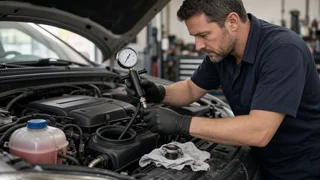
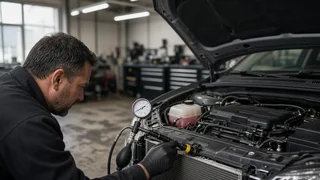
A cooling system pressure tester at Advance Auto Parts is a useful tool for finding leaks and weaknesses without waiting for the engine to reach operating temperature. Pressurizing the cooling circuit by hand simulates the stress created by hot coolant, making an external seep, a failing pressure cap, or an internal loss easier to identify. This approach helps a vehicle owner separate a minor hose clamp issue from a more serious radiator, heater core, or head gasket concern before spending money on unneeded repairs. The testing method is especially practical when a vehicle loses coolant slowly, develops a temperature rise, or leaves small stains without an obvious trail.
Essential answer
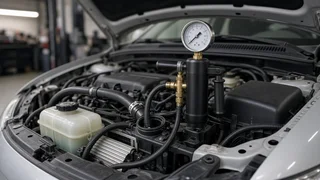
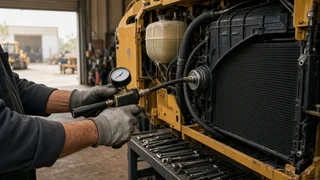
A cooling system pressure tester at Advance Auto Parts is a diagnostic tool used to pressurize the cooling circuit while the engine is cool. The tester typically replaces the pressure cap or connects to the radiator neck, allowing a hand pump to raise system pressure to a safe level. Once pressurized, leaks become identifiable through visible coolant, a dropping gauge reading, or the smell of hot antifreeze. Because the tool can also test the pressure cap separately with an adapter, it helps confirm whether the sealing point itself is weak rather than the radiator, hoses, or water pump area. This makes it a targeted first step for coolant loss or overheating symptoms.
The tester is most effective when the coolant level is correct and the engine has cooled enough to avoid a dangerous release of hot liquid or steam. A steady drop in indicated pressure without an external puddle may point toward an internal path, such as a heater core or a combustion chamber leak. A sharp drop near a specific hose fitting often reveals a clamp that is loose or a sealing surface that has become brittle. Interpreting the gauge alongside visual inspection helps narrow the likely cause before replacement parts are purchased.