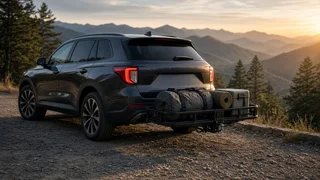
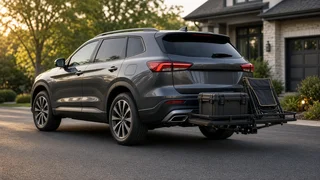
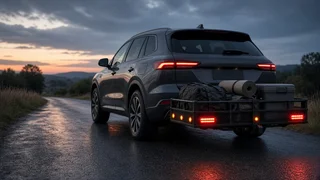
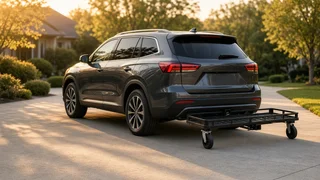
Ecotric hitch mounted cargo carrier
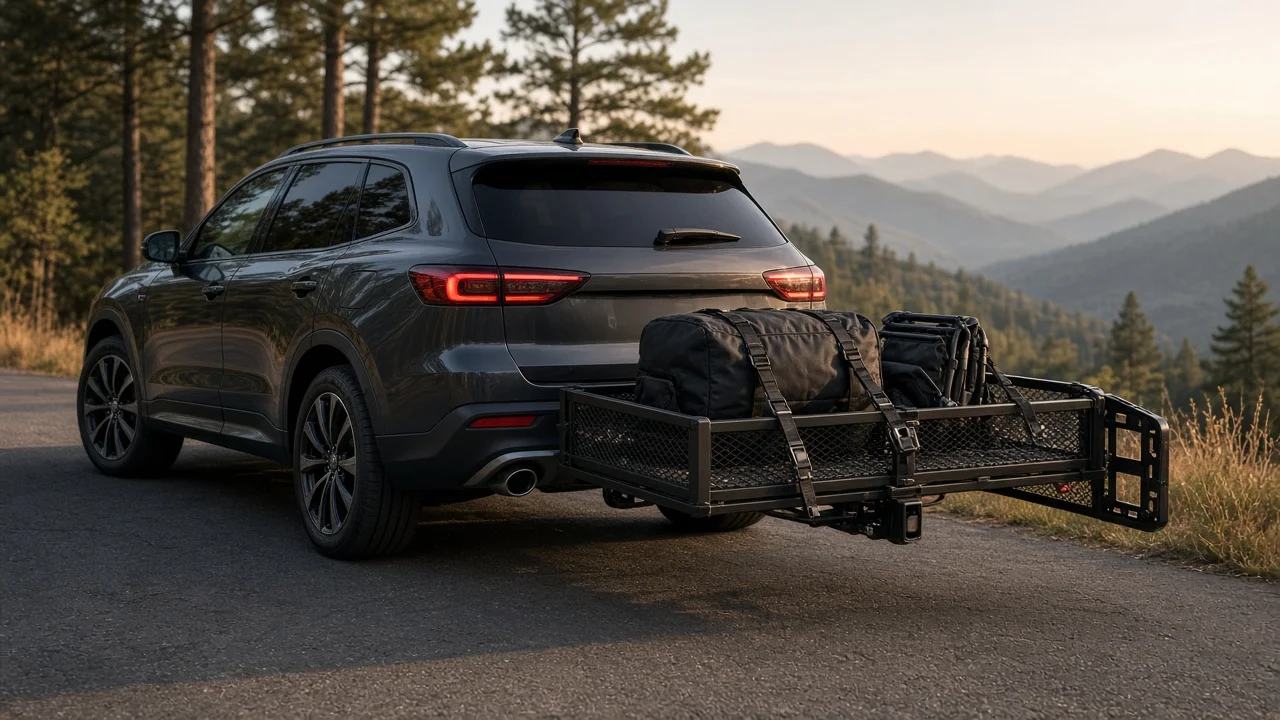
Choosing an Ecotric hitch mounted cargo carrier means matching the platform to your receiver, your gear, and the way you actually load a trip. The right carrier adds enclosed or open hauling space without forcing everything into the cabin, but a poor fit creates sway, shank movement, or blocked access. For most buyers the immediate answer is yes when the vehicle has a compatible receiver and the load stays within the carrier and hitch ratings. The useful purchase check is to confirm the shank size, weight capacity, folded clearance, and how the platform attaches to the vehicle before ordering.
The direct answer
For most shoppers, an Ecotric hitch-mounted cargo carrier is a practical purchase when the receiver size and tongue weight rating match the platform and the planned gear. The carrier slides into a square receiver, secured by a pin, and carries gear behind the vehicle. That location keeps bulky or dirty items out of the interior and preserves rear visibility less than a roof box. The main condition is compatibility: a 2-inch shank does not fit a 1.25-inch receiver without an adapter, and the loaded carrier must remain below both the carrier capacity and the vehicle hitch limit.
A buyer should also consider how the loaded platform affects departure angle, tailgate access, and parking sensors. Cargo carriers extend rearward, so a low sedan may scrape on steep driveways, while an SUV may clear the same angle. Some folding shanks allow the empty platform to pivot upward against the vehicle, reducing length when not hauling. Because the measured queries for this product are sparse, exact model specifics should be confirmed on the listing, but the general selection logic stays the same: verify shank dimensions, gross cargo weight, and clearance before purchase.