Daihatsu Miku car price
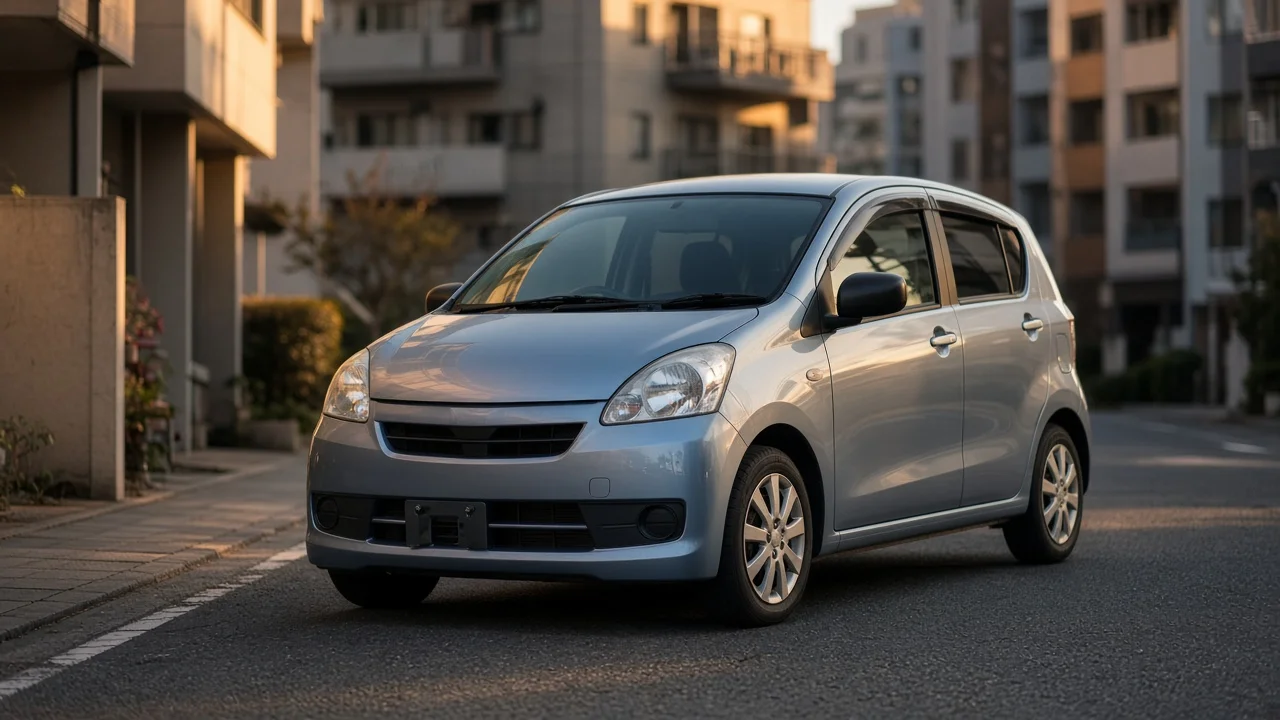
A Daihatsu Miku car price is not a single fixed number you can look up once and apply everywhere. The value depends on model year, trim level, vehicle condition, regional market demand, and included charges. If you are seeing a posted figure online, treat it as a starting market valuation rather than an out-the-door total. The most useful next step is to identify which version of the vehicle is actually being sold, then compare the advertised amount against comparable listings in your area while separating the sale price from taxes, registration, documentation, and dealer fees.
The direct answer
There is no confirmed baseline Daihatsu Miku car price in the supplied evidence, so a meaningful answer must describe what moves the number. The biggest adjustment comes from vehicle condition. A clean, low-mileage example with complete service history and no accident damage will typically sit well above a rough vehicle with worn interior panels, paint issues, or deferred maintenance. Buyers should treat condition as the foundation of any asking-price comparison, because two cars wearing the same badge can be thousands apart once inspection reveals what has been repaired or neglected.
Regional market and included charges then change the realistic cost. A car priced for a market with strong demand for small, efficient Japanese vehicles may not reflect what a dealer or private seller will accept in a region where that model is uncommon. Similarly, a listed figure may exclude documentation, title, and registration costs, so the actual amount paid can be higher than the advertised number. Focus on the complete transaction price, not only the headline window sticker.