How to Replace a Wheelbarrow Tire Valve Stem
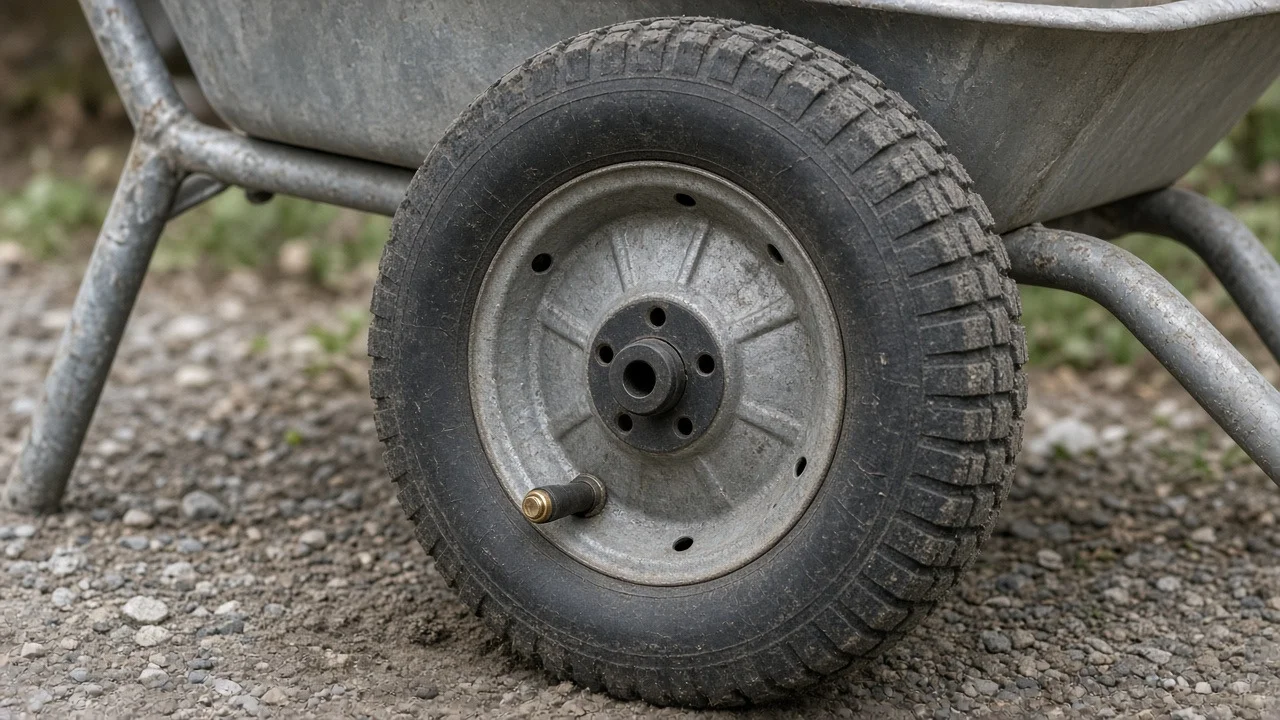
A wheelbarrow tire that will not hold air often has a damaged valve stem rather than a punctured casing. Replacing the stem can restore reliable inflation and keep the tire rolling under typical loads. The task is approachable with basic hand tools, but a secure bead seat and an air-tight rim seal matter as much as the new stem itself. The following guidance explains how to identify the fault and complete the repair without inventing specifications. Because wheelbarrow wheels vary, always match the replacement stem to the rim hole and intended inflation pressure.
Direct answer
The direct answer is that the old valve stem can usually be pushed out through the wheel hub after the tire is deflated and the bead is broken away from the rim. The replacement stem is then pulled into the rim hole from the inside and seated firmly. The common failure point is the rubber base deteriorating, cracking, or tearing where the stem passes through the metal rim. In some cases the core inside the stem leaks even when the outer body looks sound. The replacement is warranted only when the tire sidewalls and bead area are still serviceable, since a split casing will continue losing air regardless of the new stem.
A wheelbarrow tire operates at relatively low inflation pressure, but it still needs enough pressure to keep the bead pressed outward against the rim flanges. A leaking stem lets the tire settle, which can allow the tire to shift on the rim during cornering or a heavy load. When the bead unseats, air escapes suddenly and the wheel becomes difficult to roll. Replacing the stem is therefore a repair that directly restores the wheel's ability to carry weight. The rim hole diameter and stem length must be compatible with the wheel, and the area around the hole should be checked for sharp edges before installing the new part.
How to proceed
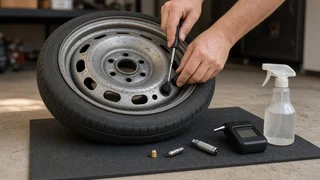
Start with the wheel removed from the wheelbarrow and the tire completely deflated. Remove the valve core with a core tool to speed air release, then press the tire sidewall inward around the entire rim. Breaking the bead loose allows access to the stem tail. Pull the old stem out through the rim, working from the inner side so the rubber base collapses and passes through the hole. If the stem base is brittle, avoid pulling hard enough to crack the rim or dislodge debris into the tire. Clean the hole and inspect the area for rust, burrs, or a cracked tube, if the wheel uses an inner tube design.
Lubricate the new stem lightly with a rubber-safe solution and pull it through from the inside using a stem installer or needle-nose pliers. A steady, square pull seats the channel against the rim hole, and air pressure later finishes tightening the seal. Reinflate gradually while watching the bead and listening for leaks at the stem base. Soapy water at the base and core shows escaping air. Keep your body clear of the sidewall during inflation, and avoid exceeding the pressure stated on the sidewall or the equipment's capacity. When the stem stays leak-free and the bead remains evenly set, the repair is complete.