Temporary fixes and stop-leak sealers for a leaking water pump
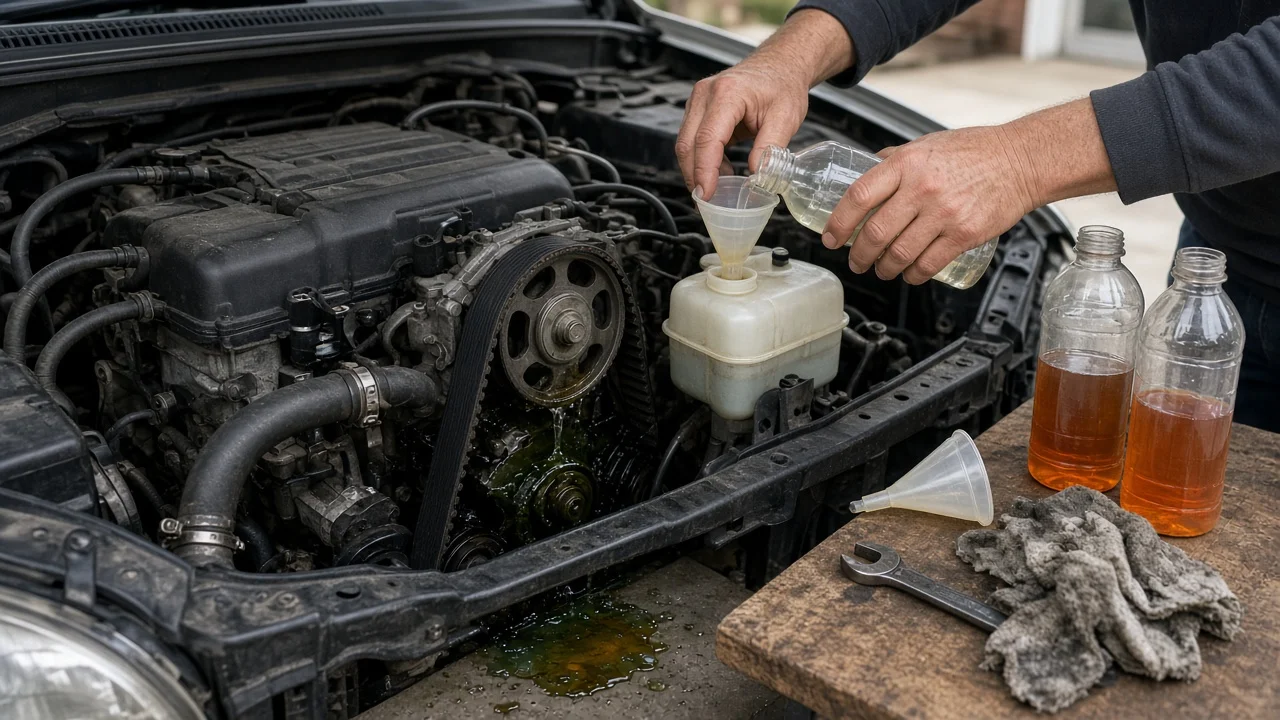
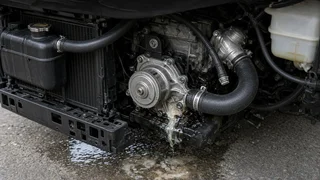
A small coolant drip near the front of the engine often points to a failing water pump, and drivers looking for a car water pump leak fix quickly encounter promises of sealers and stop-leak products. These additives can sometimes slow a seep, but they cannot repair shaft-bearing wear, a cracked housing, or a failed gasket under full cooling-system pressure. Understanding how the pump, coolant specification, pressure cap, and cooling circuit interact helps you decide whether a temporary fix is safe or whether replacement is the only realistic repair.
Direct answer
For a genuine car water pump leak fix, the only dependable repair is replacing the pump or the leaking gasket or seal once the source is confirmed. A water pump moves pressurized coolant continuously, so any opening at the shaft seal, mounting face, or weep hole is under mechanical and thermal stress. Stop-leak products may reduce a faint seep briefly, but they are not a structural repair and can create complications in the cooling circuit if used as a long-term solution.
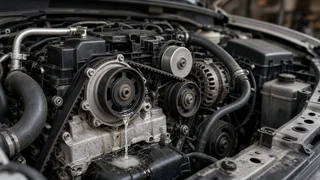
The usefulness of a car water pump sealer depends heavily on the leak location and severity. A very small external seep at a gasket may respond briefly to a sealant that collects at the opening, while a steady drip from the weep hole usually indicates an internal seal that is already failing. In that case, the rotating shaft keeps disturbing any material that tries to form a plug, and the repair is unlikely to last.
Interpreting symptoms and test results
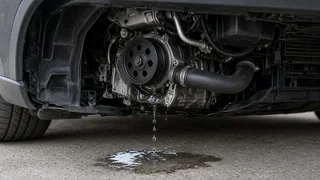
A visible puddle, low coolant level, or sweet odor after driving should push you to inspect the pump area and the rest of the cooling circuit before choosing a car water pump leak quick fix. Check whether the wetness appears near the pump snout, the mounting flange, or a hose connection. A leak that becomes worse when the engine is hot and the cooling system is fully pressurized points to a pressure-related opening, not simply a loose clamp or spilled coolant.
Diagnosing the exact cause matters because a car water pump stop leak can mask symptoms without addressing the underlying pressure or mechanical fault. If the radiator, pressure cap, thermostat, or coolant concentration is creating excess heat or pressure, the new seal may hold initially and then fail. When coolant is low, air pockets can also cause hot spots that make a borderline pump seal leak more. Confirm the system is filled and bled correctly, then recheck the area before relying on any temporary fix.