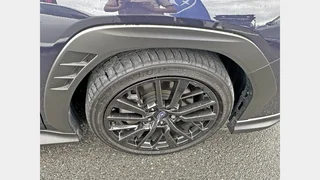
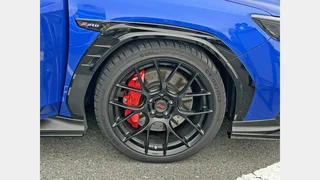
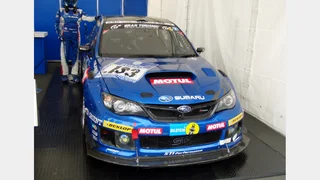
Japanese-market Subaru WRX
The Subaru WRX has long carried a dual identity: a rally-bred sedan sold across global markets and a domestic Japanese-market car shaped by local regulations, model generations, trim structures, and equipment choices. When buyers search for the Subaru WRX Japanese version, they typically want to understand how the home-market car differs from examples sold in North America or Europe. The distinction usually involves market specification rather than a completely separate vehicle. Body style, powertrain configuration, and model-year changes can shift what the Japanese version represents, so the answer requires context about which generation and trim level is being discussed.
Essential answer
The Japanese-market Subaru WRX is the version of the WRX sold new through Subaru's domestic dealer network and built to Japanese specification. It may carry different model-year designations, emissions tuning, lighting, interior materials, or performance trim names than versions sold in the United States. Because the term spans multiple generations, the essential answer is that it is not one fixed specification. A sedan from one model generation may differ substantially from a later generation sold with the same WRX name.
Market specification affects more than badging. Japanese versions commonly reflect local vehicle inspection rules, fuel standards, and buyer expectations, which can influence engine calibration, transmission availability, safety equipment, and in-car electronics. Body style also matters, because the Japanese market has received WRX sedans and, in earlier generations, wagon or hatch variants that were not always matched in every export market. Identifying the model generation and trim level is therefore the most useful first step for anyone comparing a Japanese version with a US-market car.