Master Muffler: Finding Muffler Repair Services
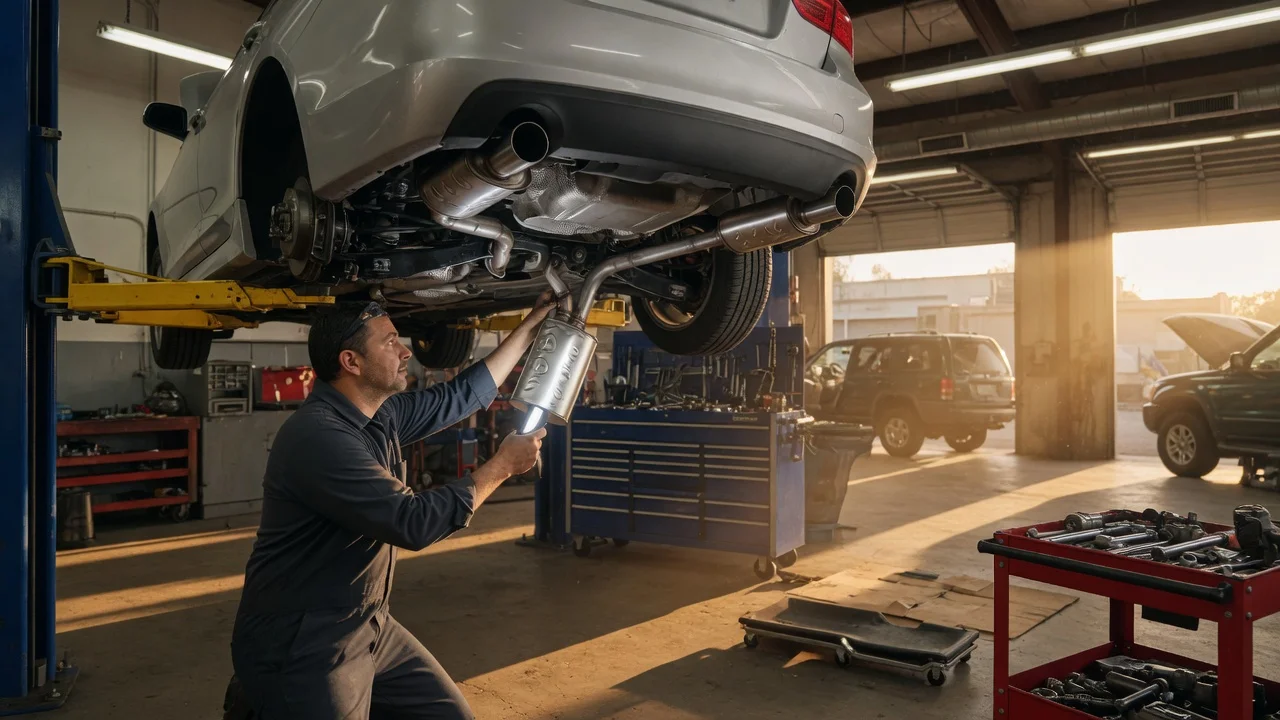
What a Master Muffler Service Covers
A master muffler service generally refers to an automotive repair provider that specializes in exhaust system work, particularly mufflers, pipes, catalytic converters, resonators, hangers, gaskets, and related components. The term can also describe a shop brand or a service position focused on diagnosing and repairing exhaust noise, leaks, and emissions-related problems.
Common Signs That You May Need Muffler Repair
Several observable symptoms can indicate a muffler or exhaust system concern. A louder-than-normal exhaust note, especially during acceleration, may point to a hole or failing seam in the muffler. A rhythmic ticking or tapping sound can suggest an exhaust leak at a gasket or flange. A rattling noise from beneath the vehicle may be caused by a loose heat shield, failing internal baffle, or worn hanger.
Visible rust, moisture dripping from the muffler body, or black soot around a joint can also support the presence of a leak. If the noise is accompanied by exhaust odor inside the cabin or a warning light related to emissions, the condition may require professional diagnosis. Exhaust leaks can allow gases to enter the passenger area, so persistent cabin odor is a reason to stop driving and have the vehicle inspected.
Diagnostic Checks Before Choosing a Service
A visual inspection is often the first step. With the engine off and the vehicle safely supported, look for rust-through, holes, separated joints, or missing hangers along the muffler and connecting pipes. If an emissions or engine warning light is present, the stored fault code should be treated as evidence to investigate rather than proof that a specific part, such as a catalytic converter or oxygen sensor, has failed.
A qualified shop will usually confirm the source of the noise or leak before recommending replacement parts. The inspection may include checking flange gaskets, pipe clamps, flexible couplings, and the condition of nearby heat shields. Because exhaust layouts vary by model year, generation, and powertrain, the applicable components and repair costs can differ between vehicles.
What to Look for in a Muffler Repair Provider
When comparing shops, consider whether they have experience with your vehicle's exhaust configuration and access to appropriate replacement components. A service that performs a hands-on inspection before quoting is generally preferable to one that diagnoses only by sound description. Ask whether the repair will address both the failed component and the cause, such as a collapsed hanger or corroded flange, to avoid a short-term repeat failure.
Questions to Ask Before Authorizing Work
What specific part or joint was found to be leaking or noisy? Will the repair replace the entire muffler or only the damaged section? Are gaskets, clamps, and hangers included in the estimate? Is the replacement component appropriate for the vehicle's model year and powertrain? Does the work address any fault code only after the underlying exhaust condition is confirmed?
When to Stop Driving and Seek Immediate Inspection
Stop driving and arrange professional diagnosis if exhaust odor is noticeable inside the cabin, if a component is dragging or visibly separated, or if the vehicle has become unusually loud with signs of an active leak. These conditions can affect occupant safety and may also cause further damage to nearby exhaust and emissions parts.
Final Guidance
A master muffler service is best selected after a supported inspection confirms the exact failure point. Where documentation is unavailable for a specific model, acknowledge that repair options and part availability may vary by vehicle configuration. This article does not report firsthand testing and should be used as general ownership guidance rather than a substitute for a qualified inspection.