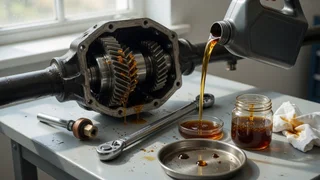
Lucas synthetic 75W-140 gear oil
Choosing the right 75W-140 gear oil matters when an axle, differential, or manual transmission calls for a full-synthetic lubricant in that viscosity. Lucas synthetic SAE 75W-140 gear oil is often considered because it is positioned for heavy-duty use, towing, and high-temperature protection, but the purchase decision should not begin with a brand promise. The practical first step is to confirm that 75W-140 is the lubricant specification your vehicle actually requires and that a synthetic formulation matches the manufacturer approval, operating conditions, and service expectations for that component.
The direct answer
Lucas synthetic SAE 75W-140 gear oil is a plausible choice when the axle, differential, or gear case specifically calls for a 75W-140 viscosity and the owner wants a full-synthetic fluid. The important condition is compatibility: the oil must match the required lubricant specification, not simply the viscosity grade. If the component lists 75W-90 as the required fill, moving to 75W-140 can change gear engagement feel, operating temperature, and drag. Confirm the manufacturer approval before treating this as a direct substitute.
In practice, 75W-140 is commonly specified for rear axles, limited-slip differentials, and towing applications where heat and shear stress are higher. A synthetic base helps the fluid stay stable when the assembly runs hot for long periods. The Lucas product may fit that role, but the first ownership step is not to buy by brand reputation. Check the equipment identification, the fill quantity, and any friction-modifier requirement. If those details align with the intended gear case, the oil becomes a reasonable option rather than a guess.