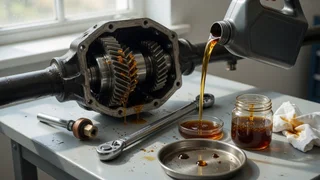
Lucas Gear Oil Stabilizer: What It Does and When It Fits
The short answer
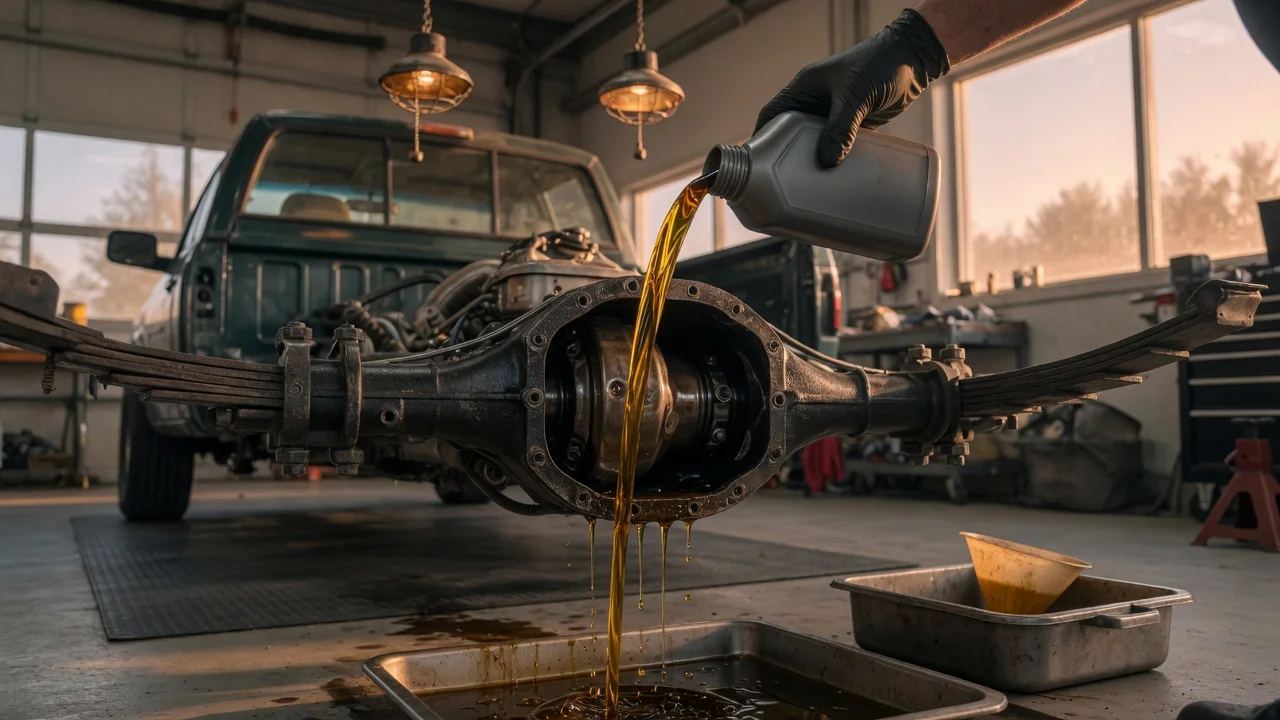
A Lucas stabilizer product added to gear oil is a supplement, not a replacement for the correct gear lubricant. Whether it suits your vehicle depends on the specific product label and on what your owner's manual specifies for that component. That means the fluid type, the API service rating and any friction-modifier requirement for that model year, market, trim and powertrain. If the label does not list your type of gearbox or differential, or your manual calls for a fluid the additive could alter, the safer choice is the specified fluid on its own.
No product test data, formulation details, approved applications or dosage figures were supplied for this article. Use the guidance below as a framework for checking compatibility, and take the exact claims and mixing ratios only from the current Lucas packaging or technical documentation.
What a gear oil stabilizer is meant to do
Oil stabilizers are viscous additives poured into an existing lubricant. Viscosity means how thick the oil is and how strongly it resists flowing. Products in this category are generally marketed to raise viscosity, cling to metal surfaces and reduce noise or seepage in worn components. The specific benefits Lucas claims for a given product should be read from its label, because they were not part of the supplied material.
Conditions that change the answer
Limited-slip differentials: many require a friction modifier, either already in the gear oil or added separately. Confirm the additive does not conflict with that requirement before mixing. Manual transmissions with synchronizers: some specify a particular API rating, such as GL-4 rather than GL-5, or a dedicated manual transmission fluid. Changing the fluid's friction behavior can affect shift feel. Transaxles and transfer cases: some are filled with automatic transmission fluid or a proprietary fluid rather than conventional gear oil. Adding a thick stabilizer to these is a different decision from adding it to a gear-oil differential. Warranty: if the vehicle is under warranty, check whether non-specified additives are addressed in the warranty terms. Cold climates: a thicker fluid flows more slowly at low temperatures. Weigh this if the vehicle operates in severe cold.
When it may be worth considering
An additive is most often considered for an older, out-of-warranty differential or gearbox that already runs on conventional gear oil and has developed mild whine or minor seepage. Even then, it is a symptom-level measure. Persistent noise can indicate worn bearings, incorrect gear backlash or low fluid level. A thicker oil may quiet these issues without correcting them, so an inspection is the better first step if the noise is new or getting worse.
What to check before buying
The fluid type and API rating your owner's manual specifies for the exact component, matched to your model year, market, trim and powertrain. Whether the component needs a limited-slip friction modifier. The applications the Lucas product label explicitly lists, and whether gear oil, differentials or manual transmissions are among them. The manufacturer's recommended mixing ratio, so the gearbox is not overfilled or the base oil overly diluted. The fill capacity of the component, which determines how much additive fits within that ratio.
Information gaps
This article does not confirm the Lucas product's exact name or formulation, its listed approvals, its pricing or availability, or independent test results on wear or noise reduction, because none were provided. Treat compatibility as unconfirmed until both the product label and your vehicle's fluid specification agree.