LS oil pressure gauge adapter installation

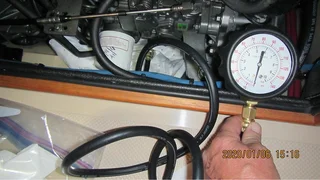
Adding a mechanical pressure gauge to an LS engine often starts with a simple question: where should the sending unit or capillary line connect? The factory oil pressure sensor location is usually not the only option. On many LS blocks, owners use an adapter fitting to create a secondary port or convert metric threads to the common NPT size used by aftermarket gauges. A manual oil pressure gauge for LS engine applications gives an independent reading that can confirm lubrication health without relying on the instrument cluster. Understanding thread size, sealing method, and port selection helps the installation remain leak-free and accurate.
Essential answer
An LS engine oil pressure adapter is a small threaded fitting that provides a compatible connection for a manual gauge. The adapter typically fits into an existing oil gallery port, usually near the rear of the intake manifold or above the oil filter, depending on the block and accessory layout. Some adapters convert metric straight threads to 1/8-inch NPT so a common mechanical gauge line can thread in securely. Others split one port into two openings, letting the factory sensor and an aftermarket sending unit operate side by side without losing the dashboard warning function.
Installation requires more care than simply tightening the fitting. The gallery threads on LS engines frequently use a metric size, often with a flat face or O-ring seal rather than tapered pipe thread. Using an NPT fitting directly in that hole can damage threads and leak under hot, pressurized oil. A purpose-made adapter matches the block port on one side and offers the correct NPT seat on the other. After installation, the engine must be run briefly and inspected for seepage, since a small leak at the adapter can produce a misleading pressure reading or a slow oil loss.