LS low oil pressure when hot

An LS engine can hold strong oil pressure when cold and still expose an underlying problem once heat thins the lubricant and opens internal clearances. The phrase ls low oil pressure when hot usually describes a gauge reading or warning that only falls after the engine reaches operating temperature. It is not a single defect but a symptom that points toward how heat changes oil flow, bearing clearance, and pump performance. Reading it correctly begins with the relationship among viscosity, engine temperature, and where pressure is measured before any part is condemned.
Essential answer
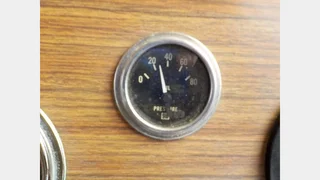
Low hot oil pressure on an LS engine typically means the lubrication system cannot maintain enough resistance to flow after warmup. Heat reduces oil viscosity, and the hotter lubricant escapes more easily through bearing clearances, lifter bores, and the pump relief circuit. A gauge that looks acceptable cold but drops near the lower range when hot often reflects normal thermal thinning made worse by wear, an oil level problem, a faulty sender, or insufficient pump output. The key distinction is whether the decline is gradual, noise-related, or confirmed by abnormal mechanical sound.
A useful first step is to treat the hot reading as a clue rather than proof of internal failure. If the engine remains quiet and the level is correct, the sending unit, gauge circuit, or an incorrect lubricant specification may create a misleading low number. If pressure falls enough to trigger valvetrain clatter or a warning while driving, the concern becomes more serious. The evaluation should match the severity of the symptom, because a sensor issue and a bearing clearance problem can produce similar dash readings but require very different responses.