Low-Profile Motorcycle Seats: Choosing the Right Fit
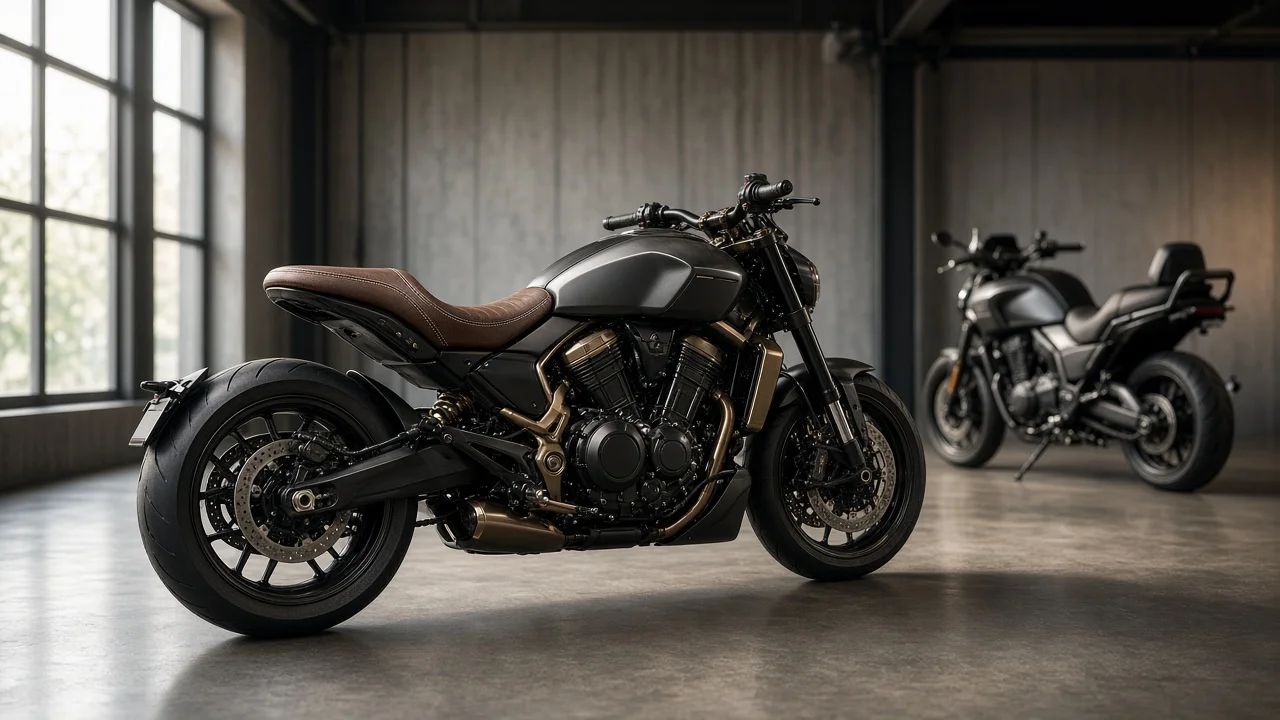
A low-profile motorcycle seat can bring a rider closer to the ground and make stops, slow-speed maneuvering and pushing the bike around more manageable. It is often the least invasive way to change seat height because it does not alter suspension or steering geometry. The right choice depends on three conditions: whether the seat is confirmed to fit your exact model year and trim, whether the comfort trade-off suits how far you ride, and whether you need to carry a passenger. If any of those three fails, a seat that looks lower on paper can still be the wrong purchase.
What a low-profile seat actually changes
Low-profile seats typically lower the rider by reducing foam thickness, reshaping the seat pan, or both. Many designs also narrow the front of the seat where it meets the tank. Narrowing matters because how easily a rider reaches the ground depends on the distance around the seat edge to the ground, not only on the seat's height above it. A seat that is only slightly lower but noticeably narrower at the front can make a bigger practical difference than one that is lower but wide.
Seat height figures published by manufacturers are usually measured in a specific way, often without a rider on board. Rider weight compresses the suspension (this compression is called sag) and also compresses the seat foam, so the height you experience may differ from the listed figure. Treat any quoted reduction as a guide rather than a guarantee, and confirm how the seller measured it.
Trade-offs for the rider
Comfort over distance: less foam can mean less cushioning, which may matter more on long rides than on short commutes. Some seats use denser or different foam to compensate; ask what material is used. Knee angle: sitting lower with the footpegs unchanged bends the knees more tightly, which some riders find uncomfortable over time. Reach to the handlebars: a lower seat position can change your arm angle and how you reach the controls. Riding position on the seat: a sculpted or stepped low seat can hold you in one spot, which some riders like for support and others find restrictive.
Passenger accommodation
Passenger use is the area where low-profile seats most often involve compromise. Some low seats are solo-only, some keep the original pillion section, and some reduce the passenger pad along with the rider's portion. If you ride two-up, confirm that the seat includes a passenger section, check that the passenger's position still lines up sensibly with the passenger footpegs and any grab rail or handholds, and consider whether reduced passenger padding is acceptable for the distances you usually cover together.
Requirements for carrying a passenger, such as a designated passenger seat and footrests, are set by state law and vary across the US. If a seat changes or removes the passenger area, check your state's rules before riding two-up.
What to check before buying
Exact fitment: confirm the seat is listed for your make, model, model year and trim. Seat mounts, tank shapes and side covers can change between years or variants of the same model, so a seat for a similar bike may not fit yours. Mounting and clearance: check that the seat uses your bike's existing mounting points and clears the tank, side panels and any accessories such as luggage racks or backrests. OEM versus aftermarket: some manufacturers offer factory low seats as accessories, which typically reduces fitment uncertainty. Aftermarket seats can offer more choice in shape and materials, but compatibility should be confirmed more carefully. How much lower and how it was measured: ask whether the stated reduction was measured unladen or with a rider, and at which point on the seat. Rider and passenger use: decide whether you need a solo or two-up seat before comparing models. Construction and materials: ask about the foam type, cover material and how the cover is attached, especially if the bike is parked outdoors. Installation: many seats bolt or clip into the original mounts, but confirm whether any parts need transferring, modifying or buying separately. Return policy and warranty: because comfort and fit are personal, check whether a seat can be returned after a test fit, and on what conditions.
Working out the real cost
No confirmed price information was available for this guide, so no figures are given here. When comparing quotes, establish what each price includes: whether it covers both rider and passenger sections, shipping, any mounting hardware, and installation if you are not fitting it yourself. Note the date and currency of any price you see, and remember that an advertised price is not the same as what buyers actually paid. If you are buying used, check for torn covers, compressed or water-damaged foam, and cracked seat pans, and confirm the seat originally came from the same model and year as your bike.
If a lower seat isn't enough
A seat alone may not lower the bike as much as some riders need. Other approaches, such as adjusting suspension or fitting lowering components, change the motorcycle itself and can affect handling, ground clearance and how the bike leans on its sidestand. Those changes are a separate decision with their own compatibility checks, and are best discussed with a qualified technician familiar with your model.
Gaps to close before you decide
This guide does not include specific seat heights, height reductions, prices or product reviews, because no verified data was available. Before committing, get model-specific fitment confirmation and measurement details from the seat maker or dealer. If possible, sit on the seat on your own bike, or on the same model and year, to judge ground reach, comfort and passenger space directly.