Low Brake Fluid: What It Means, Common Causes and What to Do Next
Low brake fluid is almost always a symptom of something else. Brake fluid is not consumed during normal driving, so when the level in the reservoir drops, there are only two usual explanations: the brake pads (or shoes) have worn down and the system is holding more fluid in the calipers, or fluid is escaping through a leak. The first is gradual and expected. The second is a safety problem that needs attention before the vehicle is driven further. This guide explains how to tell the difference, how to check and top up the fluid correctly, and when a low brake fluid reading means the car should be inspected right away.
The short answer
If the brake fluid level is slightly below the MAX line but still above MIN, and the pedal feels firm, the most likely cause is normal pad wear. If the level is at or below MIN, the brake warning light is on, the pedal feels soft or sinks, or you see wet spots near a wheel or under the car, treat it as a possible leak and have the brakes inspected before relying on the vehicle. Topping up can restore the level, but it does not fix the reason the level dropped.
What brake fluid does in the hydraulic system
Most passenger vehicles use a hydraulic brake system. Pressing the pedal pushes pistons in the master cylinder, which pressurizes brake fluid in the lines. That pressure travels to each wheel, where it moves pistons in the caliper (on disc brakes) or wheel cylinder (on drum brakes). The caliper then squeezes the brake pads against the brake rotors, and the friction material on the pads converts motion into heat to slow the car.
Because liquid does not compress meaningfully, this system works only when it is completely full of fluid and free of air. The reservoir on top of the master cylinder supplies fluid as the system's needs change and gives you a visible way to monitor the level.
Why the brake fluid level drops
Normal brake pad wear
As brake pads wear thinner, the caliper pistons gradually sit farther out of their bores to keep the pads in contact with the rotors. The extra space behind each piston fills with fluid drawn from the reservoir, so the level slowly falls over thousands of miles. This is expected behavior. A level that has drifted down gradually over a long period, with no other symptoms, often means the pads are approaching their wear limits and should be measured.
This also explains why the level rises again after a brake job: when new, thicker pads are installed, the pistons are pushed back and fluid returns to the reservoir. If someone tops the reservoir up to MAX while the pads are worn, it can overflow later when new pads go on.
Leaks in the hydraulic system
A leak is the cause to rule out first when the level drops quickly or falls below MIN. Common leak points include:
Caliper piston seals or bleeder screws, often visible as wetness on the inside of a wheel or tire; Wheel cylinders on vehicles with rear drum brakes, which can leak inside the drum where it is not easily seen; Rubber brake hoses near each wheel, which can crack or swell with age; Steel brake lines, which can corrode, especially in regions that use road salt; The master cylinder, which can leak externally or internally past its seals; The area where the master cylinder meets the brake booster, where fluid may collect and damage paint; ABS hydraulic unit fittings and connections
Recent brake service
After brake lines, calipers or other hydraulic parts are replaced, the system has to be bled to remove air. Some fluid is used in the process, and the level may need to be corrected afterward. A level that keeps dropping after a repair should be checked for a loose fitting or incomplete bleeding.
Normal wear versus a leak
Sign | More consistent with pad wear | More consistent with a leak; Rate of drop | Slow and gradual over months | Noticeable change in days or weeks; Level | Between MIN and MAX | At or below MIN; Pedal feel | Firm and consistent | Soft, spongy, or sinks under steady pressure; Visible fluid | None | Wet residue near wheels, lines, master cylinder, or under the car; Warning light | Usually off | May be on or flicker during braking or turns; Pad thickness | Pads noticeably thin | Pads may still have plenty of material
These are general patterns, not a diagnosis. A vehicle can have worn pads and a leak at the same time, so an inspection is the reliable way to confirm the cause.
Symptoms of low brake fluid
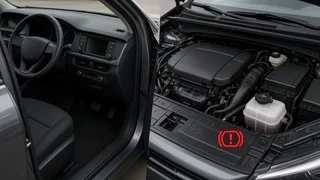
The red brake warning light on the dashboard is illuminated. On many vehicles the same light also indicates that the parking brake is engaged, so release the parking brake first and see whether it stays on. The brake pedal feels softer than usual or travels closer to the floor. The pedal slowly sinks while you hold steady pressure at a stop. Braking feels less responsive or requires more effort to stop. The ABS or brake system warning appears alongside the brake light on some vehicles. You notice an oily, slightly slick fluid near a wheel or under the front of the car.
Is it safe to drive with low brake fluid?
It depends on how low the level is and why. A level slightly below MAX with a firm pedal is generally not an immediate hazard, but it is a reminder to check pad wear. A level at or below MIN, an illuminated brake warning light, or a soft or sinking pedal is a different situation. If fluid continues to escape, air can enter the system and braking performance can drop sharply. In that case, avoid driving the vehicle except as needed to reach safety, and consider having it towed to a repair shop rather than driving it there.
How to check the brake fluid level
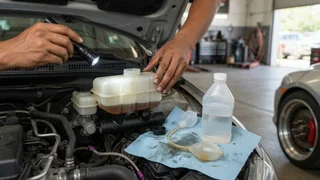
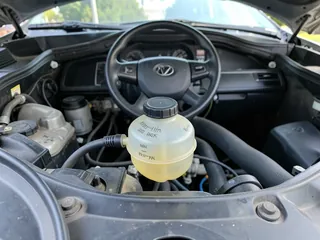
Park on level ground with the engine off. Some vehicles recommend checking with the engine cool. Locate the brake fluid reservoir, usually a translucent plastic container mounted on the master cylinder near the driver's side of the engine bay. The cap is typically labeled with the fluid type. Read the level against the MIN and MAX marks on the side of the reservoir without opening it if possible. If you need to open it, wipe the cap and surrounding area first so dirt does not fall into the fluid. Note the fluid's color. Fresh fluid is usually clear to light amber; dark or cloudy fluid suggests it is old or contaminated and may be due for replacement.
Some hybrids, electric vehicles and models with electronic brake control systems have specific procedures for checking the reservoir, such as having the system in a particular state or avoiding pedal presses with the ignition on. The owner's manual for the specific model year and powertrain is the right reference for those vehicles.
How to top up brake fluid correctly
Use only the brake fluid type specified for your vehicle, which is typically printed on the reservoir cap and listed in the owner's manual. Common specifications in the US include DOT 3, DOT 4 and DOT 5.1, which are glycol-based. DOT 5 is silicone-based and should not be mixed with glycol-based fluids. Using the wrong fluid can damage seals and affect braking performance, so check the specification rather than assuming.
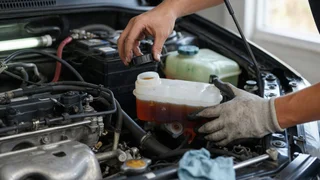
Use fluid from a sealed container. Brake fluid absorbs moisture from the air once opened, so containers that have been open for a long time are best avoided. Add fluid slowly and stop at or slightly below the MAX line. If the pads are worn, filling to the top can lead to overflow when new pads are fitted. Reinstall the cap securely right away. Wipe up any spills immediately. Glycol-based brake fluid can damage painted surfaces. Recheck the level over the next several days. If it drops again noticeably, there is likely a leak.
Why brake fluid also needs periodic replacement
Even when the level is correct, brake fluid ages. Glycol-based fluids are hygroscopic, meaning they absorb moisture over time. Water in the fluid lowers its boiling point, which can reduce braking performance during heavy or repeated braking, and it can contribute to internal corrosion of calipers, lines and ABS components. Replacement intervals vary by manufacturer and vehicle, so the maintenance schedule for your specific model is the guide. Topping up does not substitute for a fluid flush when one is due.
What a repair shop will typically check
When a vehicle comes in with low brake fluid, a technician will usually measure pad and rotor thickness against their wear limits, inspect calipers, wheel cylinders, hoses and lines for leaks, look at the master cylinder and the area behind it, and test pedal feel. Depending on the findings, the fix may be as simple as new brake pads (and possibly rotors) with the fluid level corrected, or it may involve replacing a leaking component and bleeding the system. Replacement parts should match the vehicle fitment for the exact make, model year and brake package, since brake components can differ between trims.
Bottom line
A slowly falling brake fluid level with a firm pedal usually points to worn brake pads and is a cue to have them measured. A sudden drop, a level below MIN, a warning light or a soft pedal suggests a leak and warrants inspection before further driving. In either case, top up only with the specified fluid, avoid overfilling, and treat the reservoir level as a diagnostic signal rather than a problem to keep refilling.