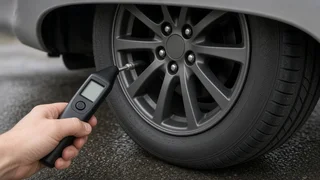
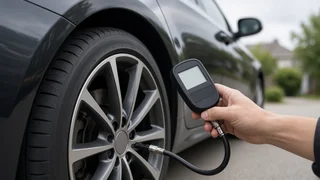
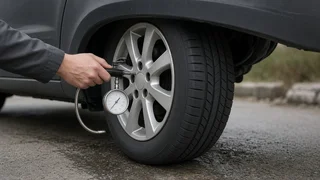
Longacre Digital Tire Pressure Gauge (Temperature-Compensated)
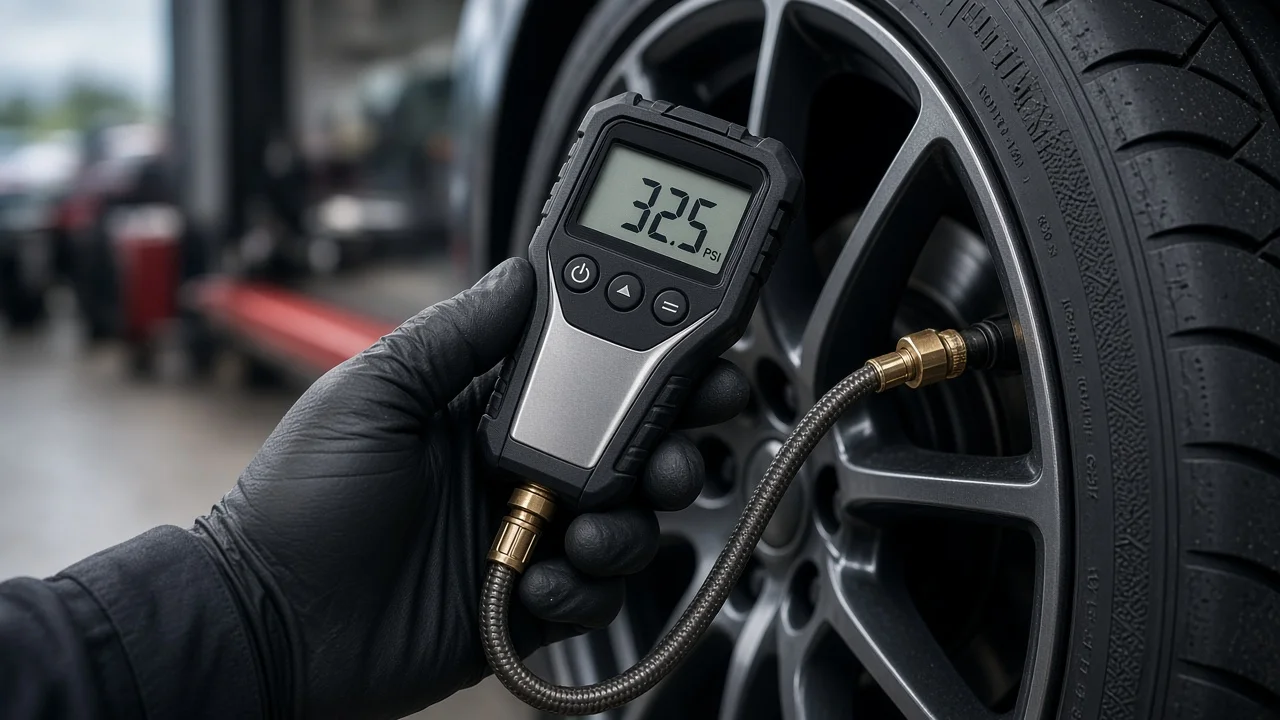
Choosing a tire gauge is about trusting the number you read at the valve stem, especially when tire temperatures change during street driving, track sessions, or towing. A Longacre digital tire pressure gauge is often selected because the electronics and sensor design aim to reduce temperature-related drift and deliver a stable reading. The temperature-compensated models are particularly relevant for car owners and racers who measure warm tires after highway runs or competition laps. The following information explains what to look for when comparing these instruments, from measurement range and accuracy to calibration, valve connection, units, and your vehicle’s specification.
The direct answer
A temperature-compensated Longacre digital tire pressure gauge is intended to give repeatable readings as internal sensor temperature varies, which matters when a gauge moves between a cool paddock and warm tire air. The answer depends on matching the gauge’s advertised range and precision to your expected pressures instead of assuming every model behaves identically. Passenger cars, heavy trucks, and race cars may operate in different pressure bands, so a gauge that works well on a sedan may be less useful for high-load trailer tires.
When you are comparing products, treat the digital readout as the result of an electronic pressure measurement and temperature correction rather than proof that a particular sensor has failed or drifted. The gauge should be evaluated by its repeatability at the same tire temperature, the condition of the chuck seal, and any stated accuracy figures. Without manufacturer-supported numbers for a particular model, the practical approach is to confirm that the instrument covers your intended range and is used consistently.