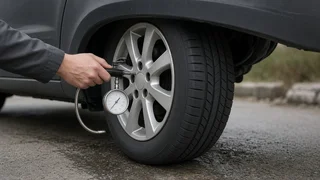
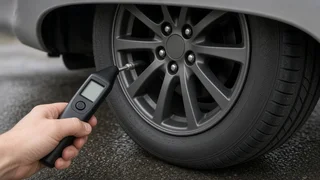
Digital vs Analog Tire Pressure Gauge
Choosing between a digital and an analog tire pressure gauge often comes down to how you value readability against simplicity. A dial gauge with a needle can feel familiar and durable, while a digital tire pressure gauge displays a number that leaves little room for interpretation. Your decision should reflect where and how you check inflation, because cold mornings, awkward valve angles, and dim garage lighting change what makes a gauge easy to use. Neither style is universally superior; the better tool is the one that encourages consistent checks against your vehicle's recommended tire pressure.
Direct answer
Most drivers who want quick, repeatable readings at home will prefer a digital tire pressure gauge, provided it has a fresh battery and a reasonably sealed case. The numeric display removes parallax and needle-width guesswork, which is helpful when you are checking pressure in a dark wheel well or comparing small differences between tires. An analog pencil or dial gauge remains a sound backup because it needs no power, but it demands a steady hand and good eyesight to read the graduations correctly.
That immediate answer changes with your priorities. If the gauge lives in a glovebox through winter and summer, an analog dial with a protective rubber surround may shrug off temperature swings and occasional drops better than a budget digital unit. Yet a quality digital tire pressure gauge typically reads quickly once seated on the valve stem, reducing the air lost during the measurement. The practical choice is not about absolute technology; it is about matching the instrument's connection, display, and calibration behavior to the way you actually check tire pressures.